A kiosk can be much more than a small retail stand.
For a store owner, it can be a compact sales floor, a branded product showcase, a takeaway counter, or even a complete mini-store inside a shopping mall. The right kiosk helps you sell more without requiring the space and investment of a traditional storefront.
But not every kiosk works for every business.
A perfume brand needs a different layout from a candy shop. A food operator needs different materials and workflow from a sunglasses retailer. Before ordering a custom kiosk, it is worth understanding the main types available in the US market.
Here are 10 kiosk types worth considering in 2026.
1. Retail Display Kiosk
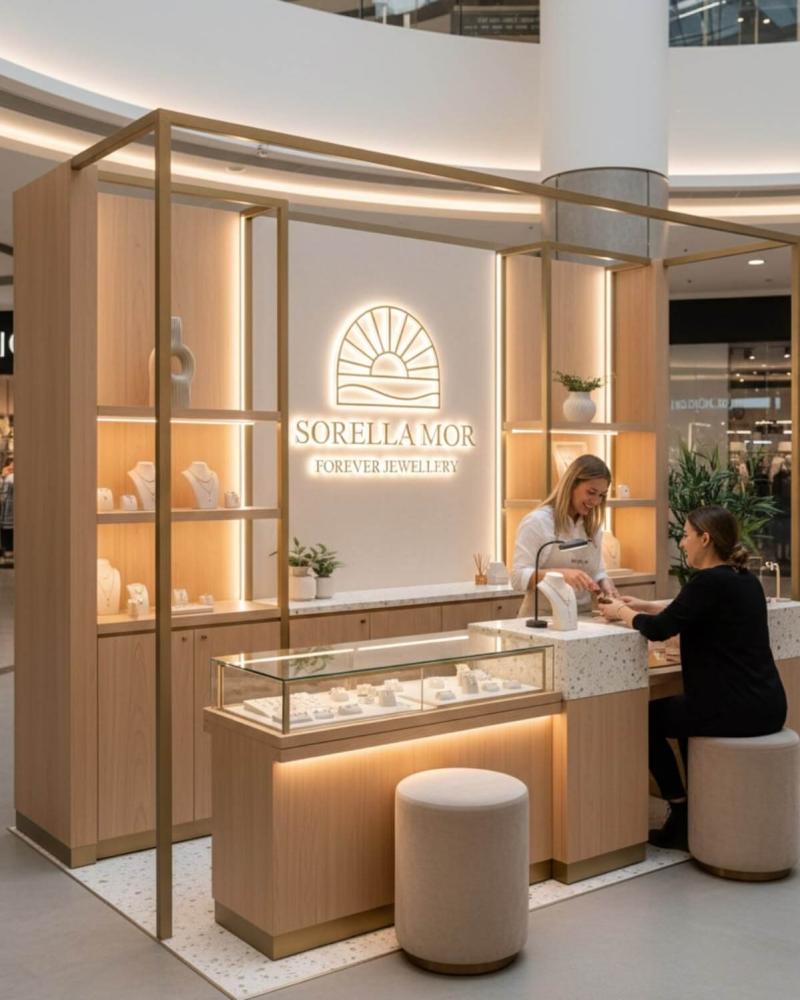
Retail display kiosks are designed to put products in front of customers in a limited footprint.
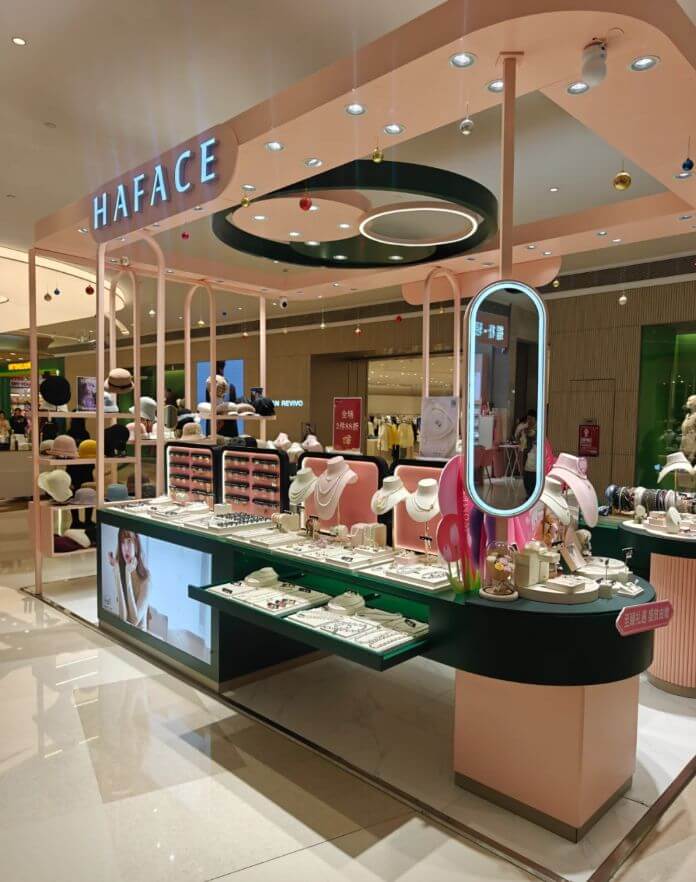
They work particularly well for sunglasses, watches, cosmetics, jewelry, accessories and small lifestyle products. Adjustable shelves, hooks, glass panels and lockable storage can be combined in one unit.
Best for: Shopping malls, department stores, retail chains and pop-up stores.
2. Food & Beverage Kiosk
Food kiosks are popular because they allow businesses to operate in high-traffic locations without building a full restaurant.
Bubble tea, ice cream, coffee, juice, desserts and snacks can all work with this format. The most important design consideration is workflow: staff should be able to move from preparation to payment to pickup without constantly crossing the same space.
Best for: Malls, airports, food courts, supermarkets and transit locations.
3. Candy & Toy Kiosk
Candy and viral toys are highly visual products, which makes them perfect for kiosk retail.
A good design should maximize front-facing product exposure while keeping popular small items within easy reach. Bright branding, tiered shelving, pegboards and small impulse-buy zones can help increase the amount customers pick up.
Best for: Family shopping centers, malls, entertainment venues and high-footfall retail areas.
4. Perfume & Cosmetics Kiosk
Perfume kiosks need a more premium approach.
Customers usually want to see, compare and test products, so the kiosk needs a combination of display shelving, testers, drawers and secure storage. Materials and lighting also matter because the kiosk itself becomes part of the brand experience.
Best for: Beauty retailers, perfume brands, duty-free areas and shopping malls.
5. Jewelry & Watch Kiosk
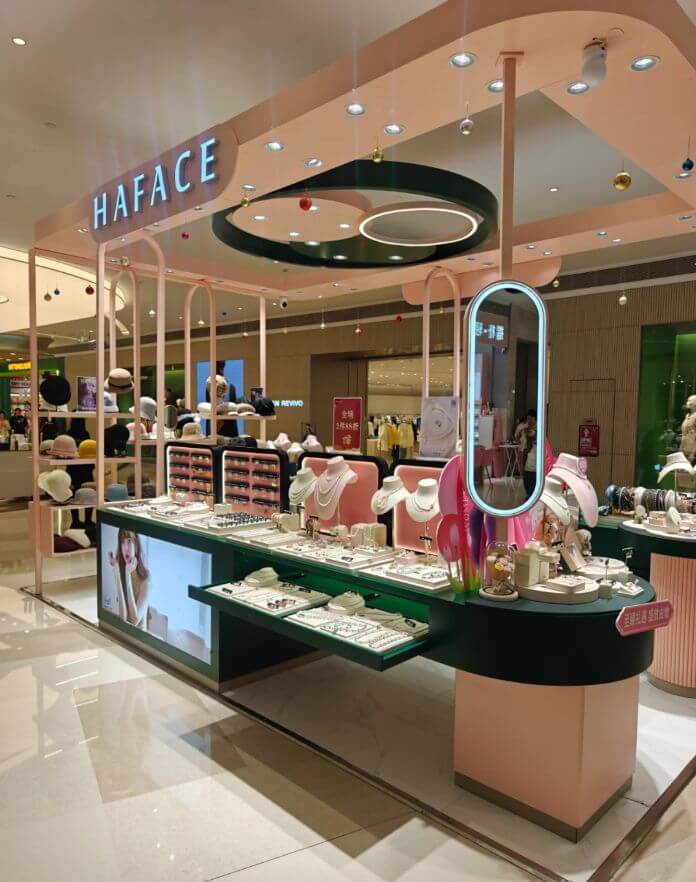
For higher-value products, security and presentation need to work together.
Glass display cases, lockable drawers, integrated lighting and carefully controlled product spacing can make a relatively small kiosk feel like a premium jewelry store.
The goal is not to fill every available centimeter. Premium products often sell better when the display gives each item enough visual space.
Best for: Shopping malls, department stores, airports and luxury retail environments.
6. Airport Retail Kiosk
Airport kiosks face a unique challenge: customers are often in a hurry.
Products need to be easy to understand and easy to access. Compact storage, clear signage and strong product visibility are more important than complicated decoration.
Travel accessories, snacks, cosmetics, souvenirs and convenience products are common applications.
Best for: Airports, train stations and other transportation hubs.
7. Shopping Mall Island Kiosk
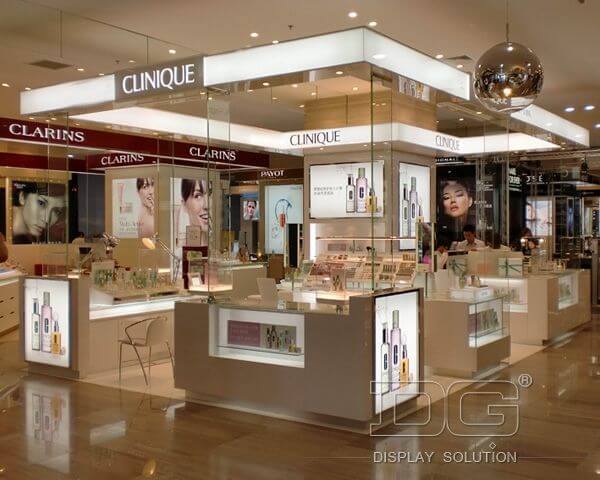
Island kiosks are surrounded by customers from multiple directions, so the design should not behave like a wall-mounted store.
Use the four sides intelligently. One side can handle checkout, another can showcase hero products, while the remaining sides can be used for impulse purchases or additional displays.
This format is particularly effective when your business depends on foot traffic rather than destination shopping.
Best for: Shopping malls, atriums and large commercial centers.
8. Pop-Up Retail Kiosk
Pop-up kiosks are built for speed and flexibility.
They can be used for seasonal campaigns, new product launches, holiday sales or testing a new market before committing to a permanent store.
For this type of project, modular construction is valuable. Components that can be packed, transported and reassembled can significantly reduce the cost of future moves.
Best for: Seasonal retail, exhibitions, brand activations and temporary stores.
9. Service & Reception Kiosk
Not every kiosk needs to sell products.
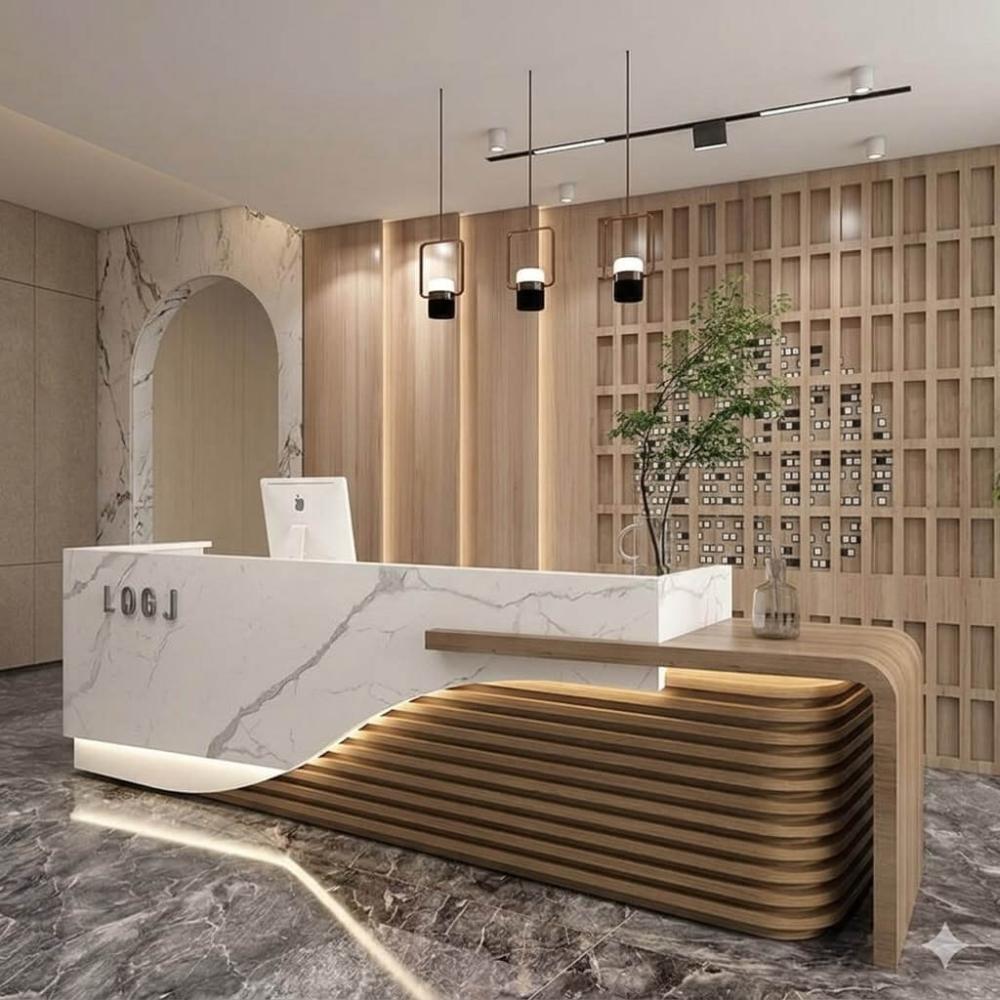
Reception kiosks and service counters can be used in hotels, clinics, salons, showrooms, offices and commercial spaces. Here, the priority shifts from product display to customer interaction, storage, ergonomics and brand presentation.
A well-designed counter can also integrate cable management, drawers, equipment compartments and concealed storage.
Best for: Hotels, clinics, salons, offices and showrooms.
10. Custom Hybrid Kiosk
Some businesses simply don't fit into one category.
A custom hybrid kiosk might combine a display cabinet, checkout counter, storage drawers, seating, tables or even a mobile cart.
For example, a mall candy store could use a main kiosk for products, a smaller impulse-buy display and a branded cart for seasonal promotions.
This is where custom manufacturing becomes especially useful. Instead of adapting your business to an off-the-shelf kiosk, the furniture can be designed around your products, floor space and customer flow.
Kiosk or Traditional Store?
The biggest advantage of a kiosk is efficiency.
You can enter a high-traffic location with a smaller footprint, lower construction requirements and a more focused product range. But the design needs to make every square foot work harder.
Before ordering, consider:
-
What products need to be displayed?
-
How much storage does staff actually need?
-
Where will customers stand?
-
Where will payment happen?
-
Does the kiosk need to be accessible from one side or all four?
-
Will it be moved or installed permanently?
-
Do you need matching counters, tables, chairs or display carts?
These decisions should be made before production, not after the kiosk arrives.
The Bottom Line
The best kiosk isn't necessarily the biggest or most decorative one.
It is the one that fits your products, location, workflow and budget.
Whether you're opening a candy shop in a mall, launching a perfume brand, operating a food counter at an airport, or testing a new retail concept, a well-planned kiosk can turn a small footprint into a functional selling space.
And when the standard kiosk doesn't fit your business, custom furniture—such as matching counters, tables, chairs and mobile carts—can turn several separate pieces into one consistent retail environment.