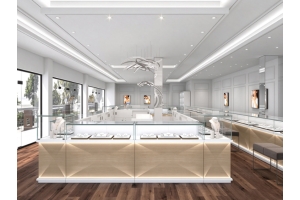
The design concept of a jewelry store is not only a place for selling goods but also a physical expression of the brand's spirit and value. The design can focus on three core elements: "luxury, privacy, and interactive experience," using spatial language to convey the brand's story and create a unique shopping experience. An excellent jewelry store design is not only a modern interpretation of the brand's history but also a progression from visual impact to emotional resonance.
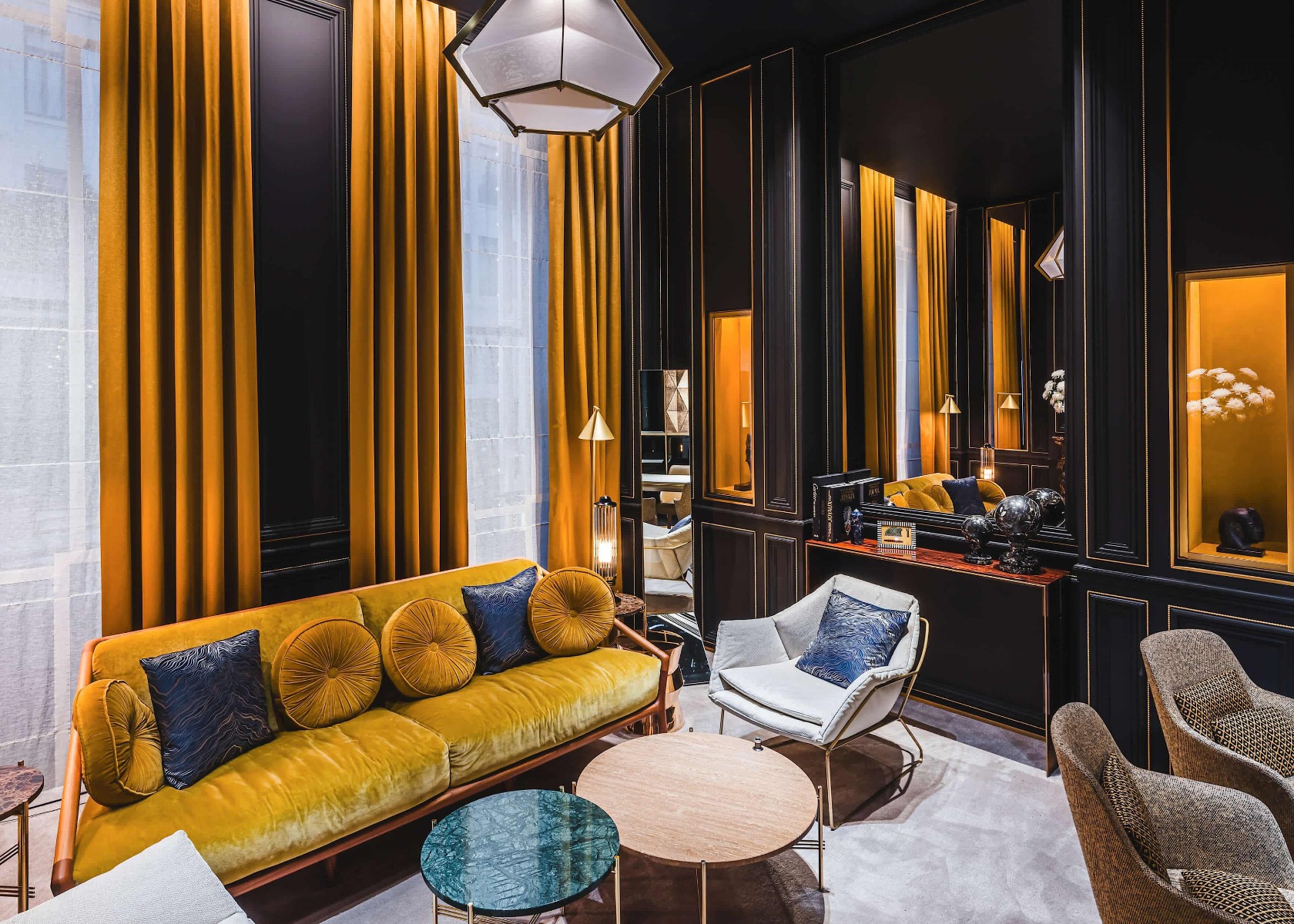
1.Store Layout and space design
A reasonable store layout can make the customer experience more comfortable and increase brand recognition.
Spacious Entrance: The entrance should be spacious and bright, improving the transparency of the store. When customers see the exhibits inside, they are naturally attracted to enter. A symbolic brand logo can also be set up to enhance brand recognition and increase customer interest.
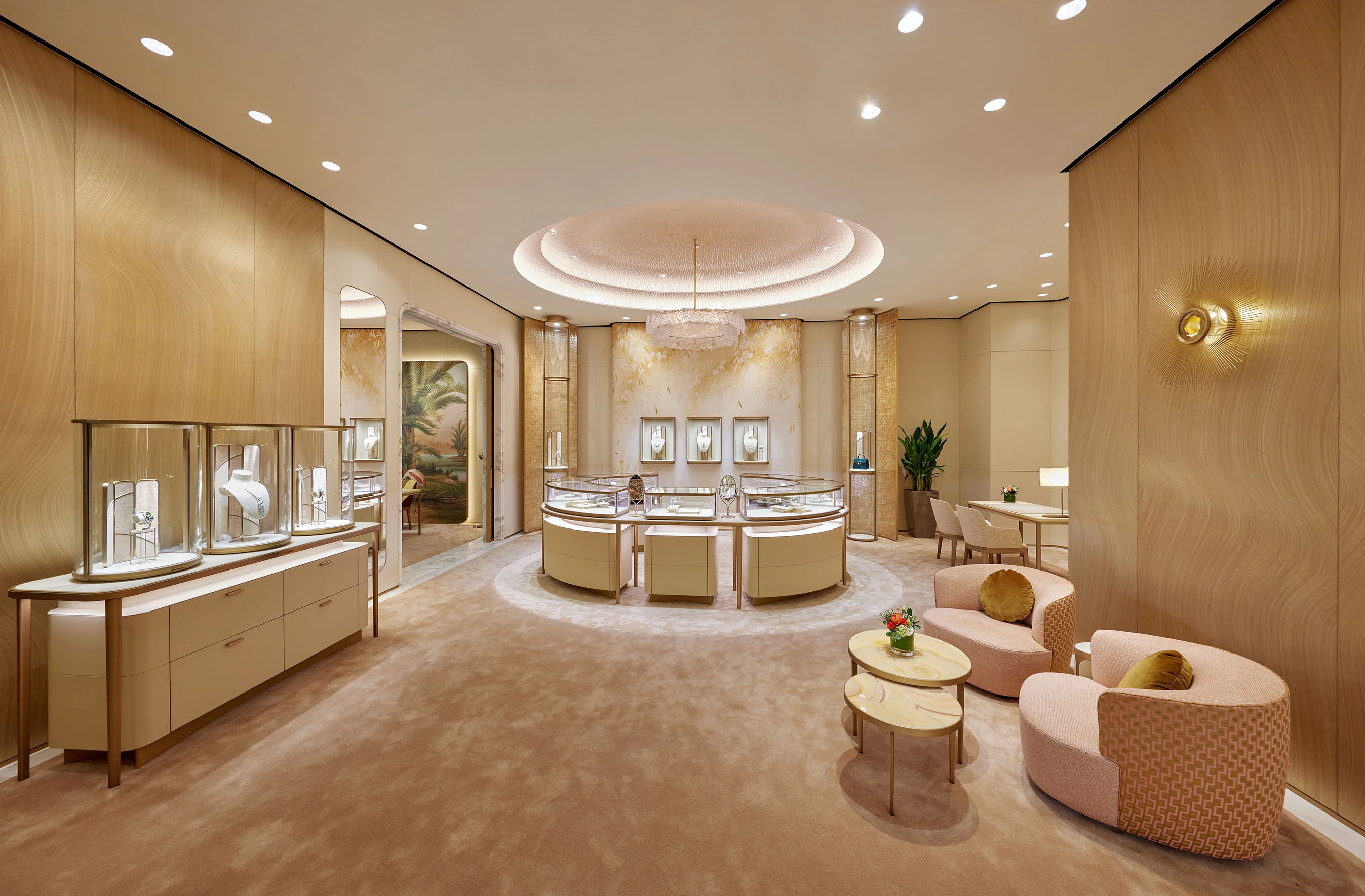
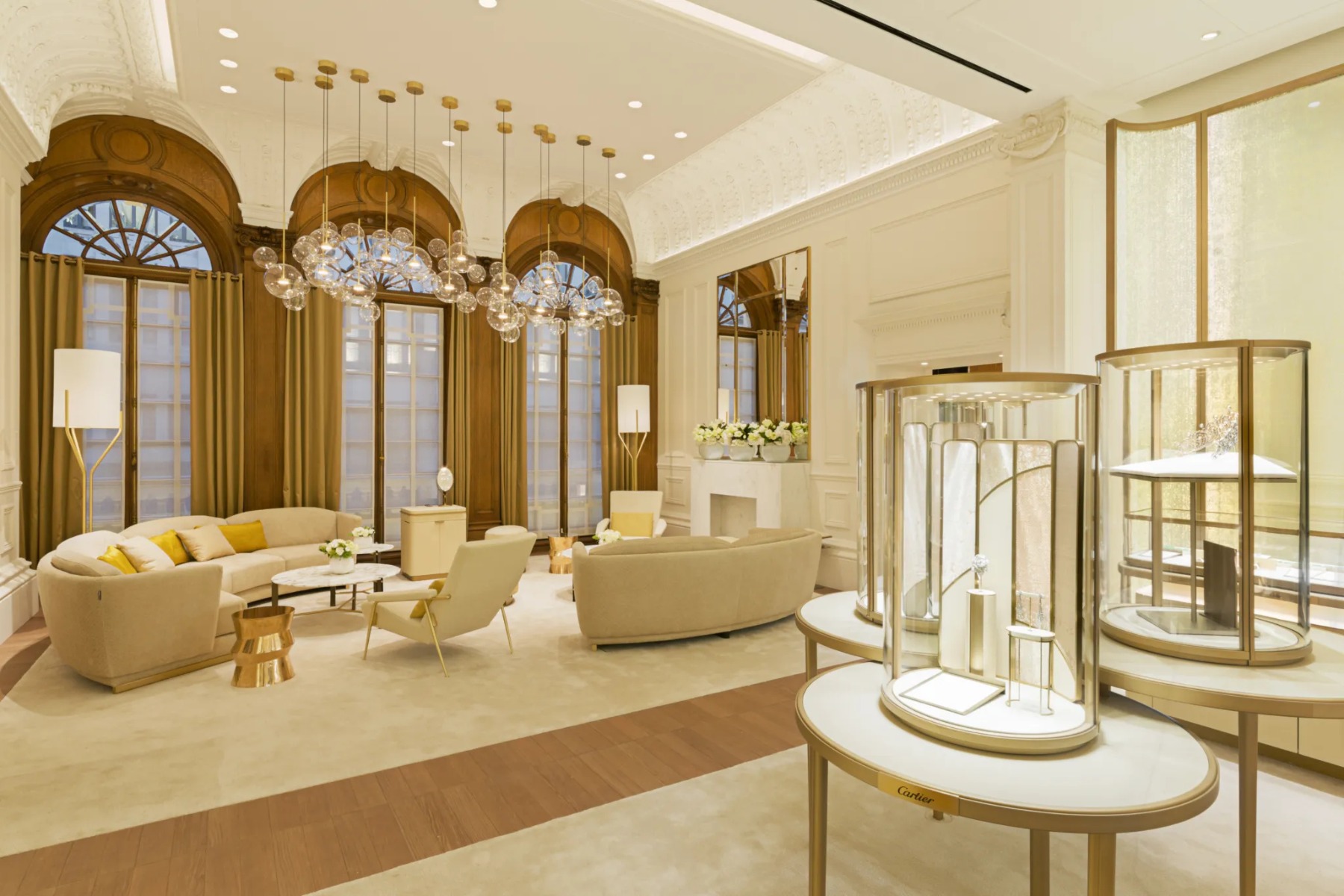
Movement Line Design: A reasonable movement line design can guide customers to browse the entire store naturally. From the spacious entrance to the high-end and bright jewelry display area, then to the second-floor display area, and the customer rest area next to the display area, the movement line is natural and smooth, avoiding dead ends, ensuring that every display area can be seen by customers.
Functional Partitioning: The store should be divided into different functional areas, such as jewelry display area, watch display area, member rest area, etc., to meet the needs of different customers. The jewelry display area should be set in the center of the store, using high-brightness lighting and high-quality display cabinets to highlight the luster and details of the jewelry. The watch display area can be set in a quieter area, providing a comfortable try-on environment, allowing customers to appreciate and experience the exquisite craftsmanship of the watches. The VIP room provides a private shopping environment for high-end customers and can be set in a more secluded part of the store, providing one-on-one service.
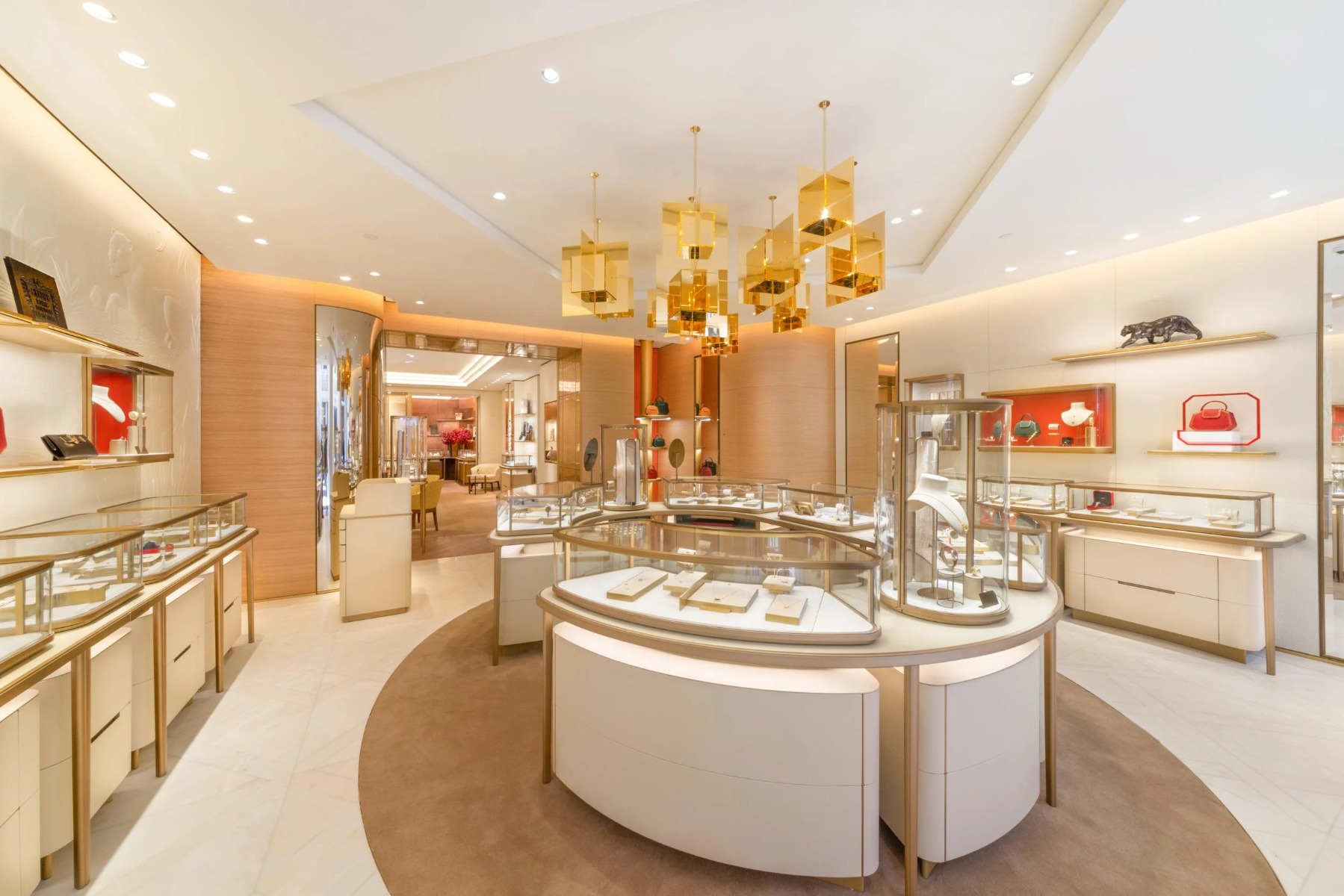
2. Display and Exhibition
The design of display cabinets is a crucial part of jewelry and watch stores. It not only affects the display effect of the goods but is also directly related to the customer's shopping experience. It needs to combine factors such as material, design style, display design, daily maintenance, and scene adaptation to create a beautiful and practical display space.
Material Selection: The display cabinet should use high-quality materials. The base uses high-quality wooden materials or high-grade metal materials, and the transparent cabinet above uses high-definition tempered glass, ensuring the perfect presentation of jewelry and improving safety.
Lighting: Lighting is the key to displaying jewelry and watches. Professional lighting equipment, such as LED lights, should be used to highlight the details and luster of the products. Basic lighting uses 3000K warm light to ensure the true color reproduction of jewelry. Key lighting uses narrow beam angle spotlights to create a 1:5 light and dark contrast, highlighting the dazzling feeling of jewelry. Dynamic lighting can use programmable LED systems to simulate natural light changes and enhance the sense of immersion.
Layout Design: The layout of the display cabinet should be simple and orderly, avoiding being too crowded. Each product should have enough space to display to attract the attention of customers. Concentrating the same series of products for display can help customers better understand and appreciate the design and craftsmanship of the products. Different themed displays can be set up according to different festivals or activities to attract customer interest.
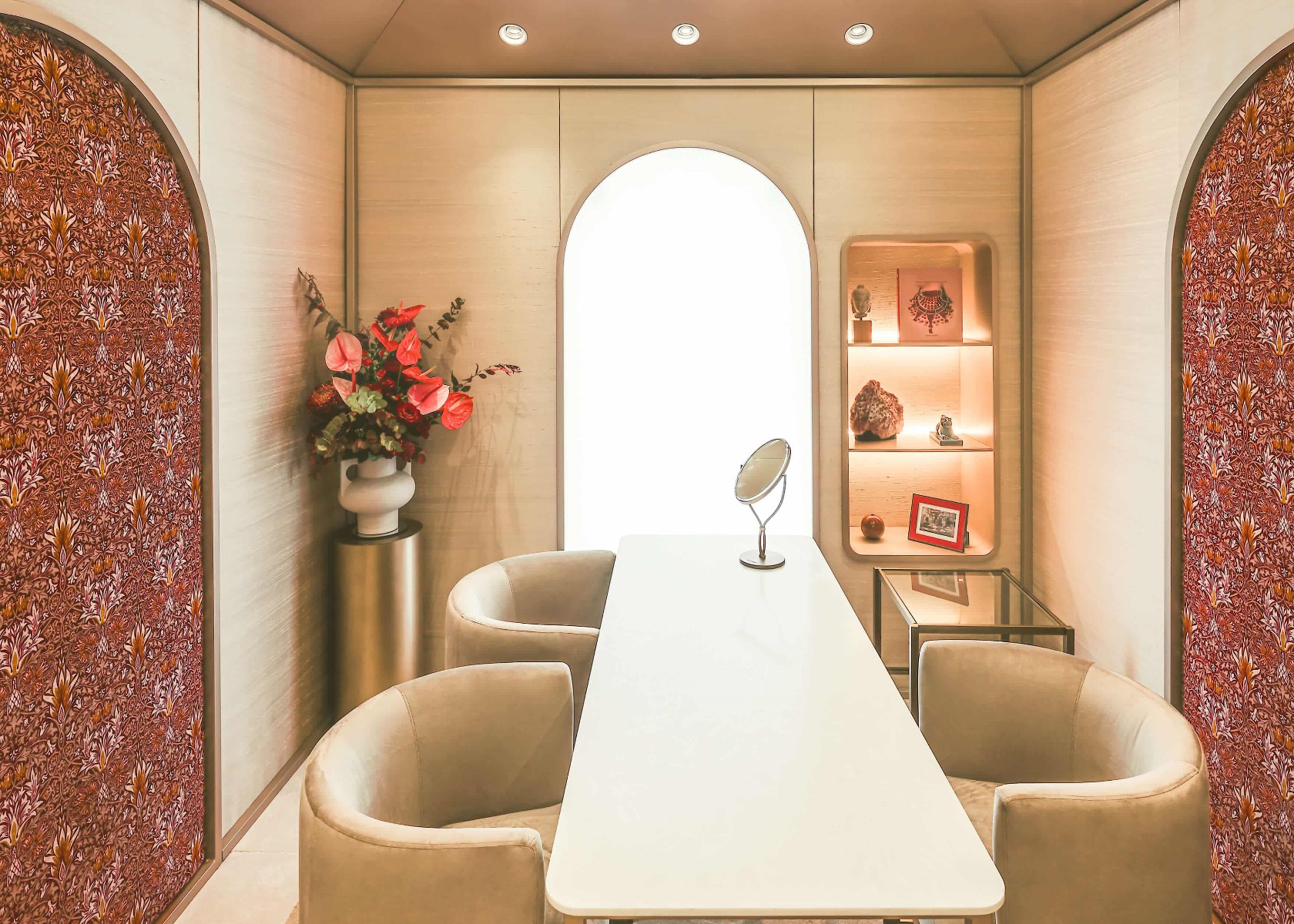
3. Color selection and Decoration
Color Matching: Cartier's iconic colors are red and gold, which should be used as the main colors of the store to enhance brand recognition.
Auxiliary Colors: Neutral colors such as white and beige can be used as auxiliary colors to highlight the delicacy and nobility of the products.
Decorative Elements: Some artworks related to the brand culture, such as sculptures and paintings, can be placed to enhance the cultural atmosphere of the store. Appropriate green plants can add vitality and vitality to the store, and also purify the air, improving the customer's shopping experience.
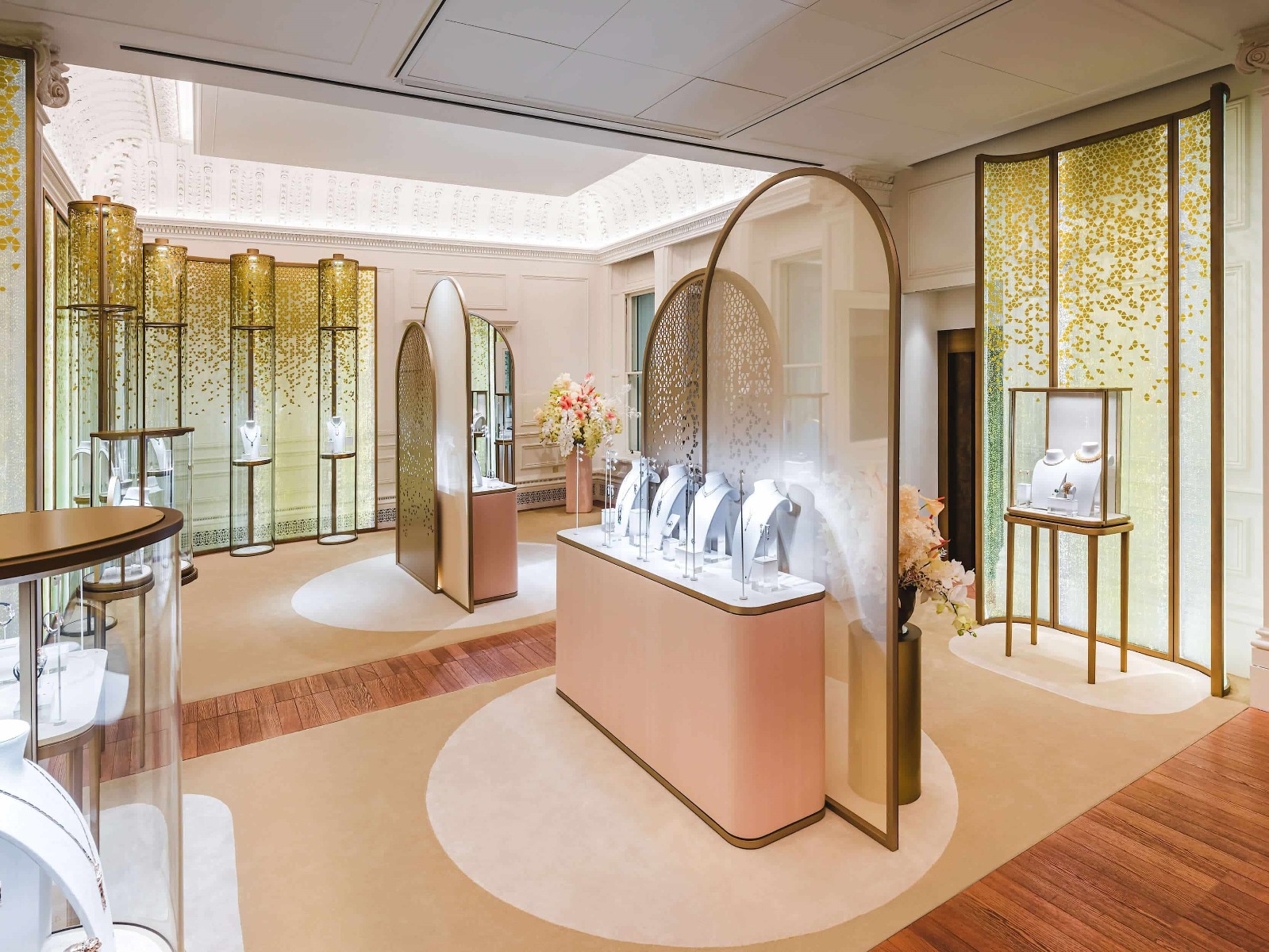
4. Design Style
Overall Style: As a world-renowned luxury brand, Cartier's store design should reflect a luxurious and noble style. While maintaining luxury, it can also incorporate some modern design elements, such as simple lines and geometric shapes, to attract young customers.
Floor: Wooden floors can add warmth and a natural feel to the store, and are also easy to clean and maintain. Marble floors can reflect luxury and nobility, but require regular maintenance.
Wall: High-quality wallpapers, such as silk wallpapers and suede wallpapers, can be used to enhance the texture of the store. Choose environmentally friendly coatings, such as water-based coatings, to ensure the air inside the store is fresh.
Furniture: Fabric sofas, as a key part of the customer lounge, have a simple and generous shape, and the color is unified. They reflect nature and nobility, and are also durable and easy to clean.
The design of a jewelry store is not only a place for displaying goods but also a connection point between the brand spirit and customer emotions. By precise spatial narrative, technology empowerment, and detail polishing, a luxurious space that can meet functional needs and stimulate emotional resonance is created. In the future, jewelry retail will pay more attention to the depth and personalization of the experience, making every piece of jewelry a witness to the customer's unique story.