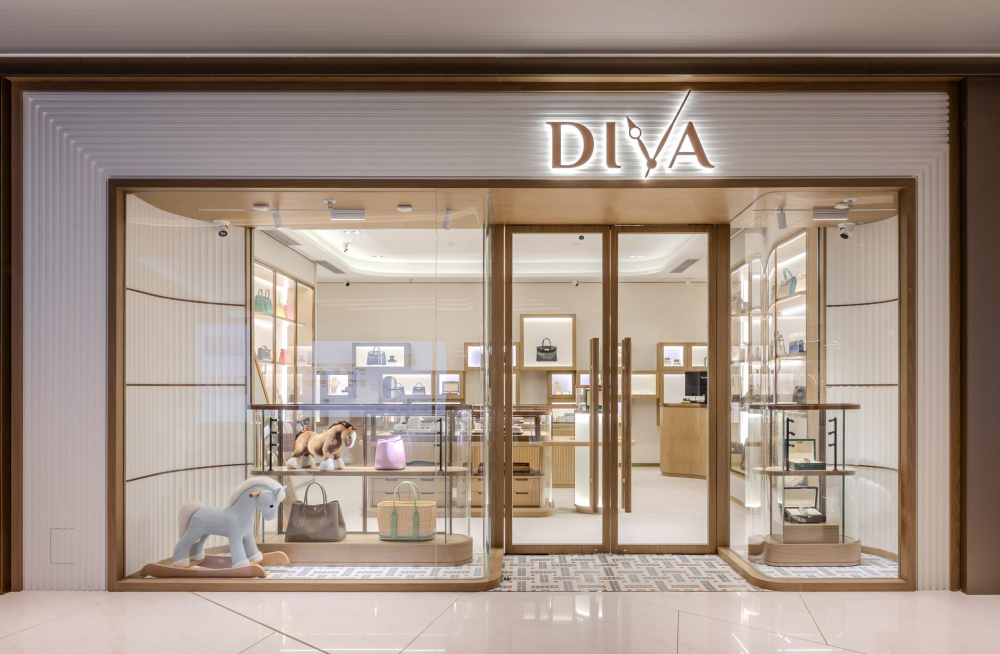
Running a high-end or pre-loved luxury boutique isn’t just about having great inventory. I’ve worked with dozens of new store owners over the years, and most of them end up overspending or settling for low-quality store fixtures simply because they don’t know what to watch out for. Your display cases make or break your store’s overall vibe, customer experience, and even the long-term condition of your high-value bags, watches and jewelry. After wrapping up multiple boutique renovation projects — including the well-received wooden tone store build for Diva Boutique — I’ve compiled seven real, costly mistakes most new retailers make when ordering custom luxury displays in 2026. These practical tips are tailored for handbag shops, watch and jewelry studios, and consignment boutiques, helping you steer clear of unnecessary budget loss and shoddy finished results.
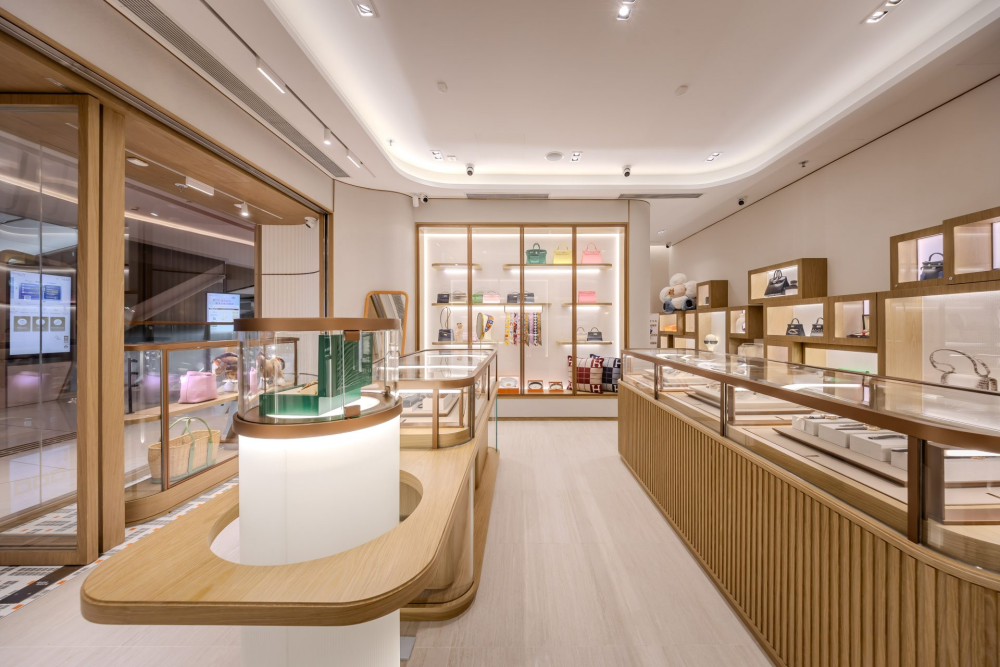
1. Picking the Wrong Lighting That Ruins Leather and Metal Goods
Most generic display lights sold on the market are simply not made for luxury merchandise. They’re either overly harsh or feature inaccurate color temperature. Over time, strong white light and subtle UV exposure will fade premium leather, tarnish metal hardware, and even wear down the delicate dials on luxury watches.
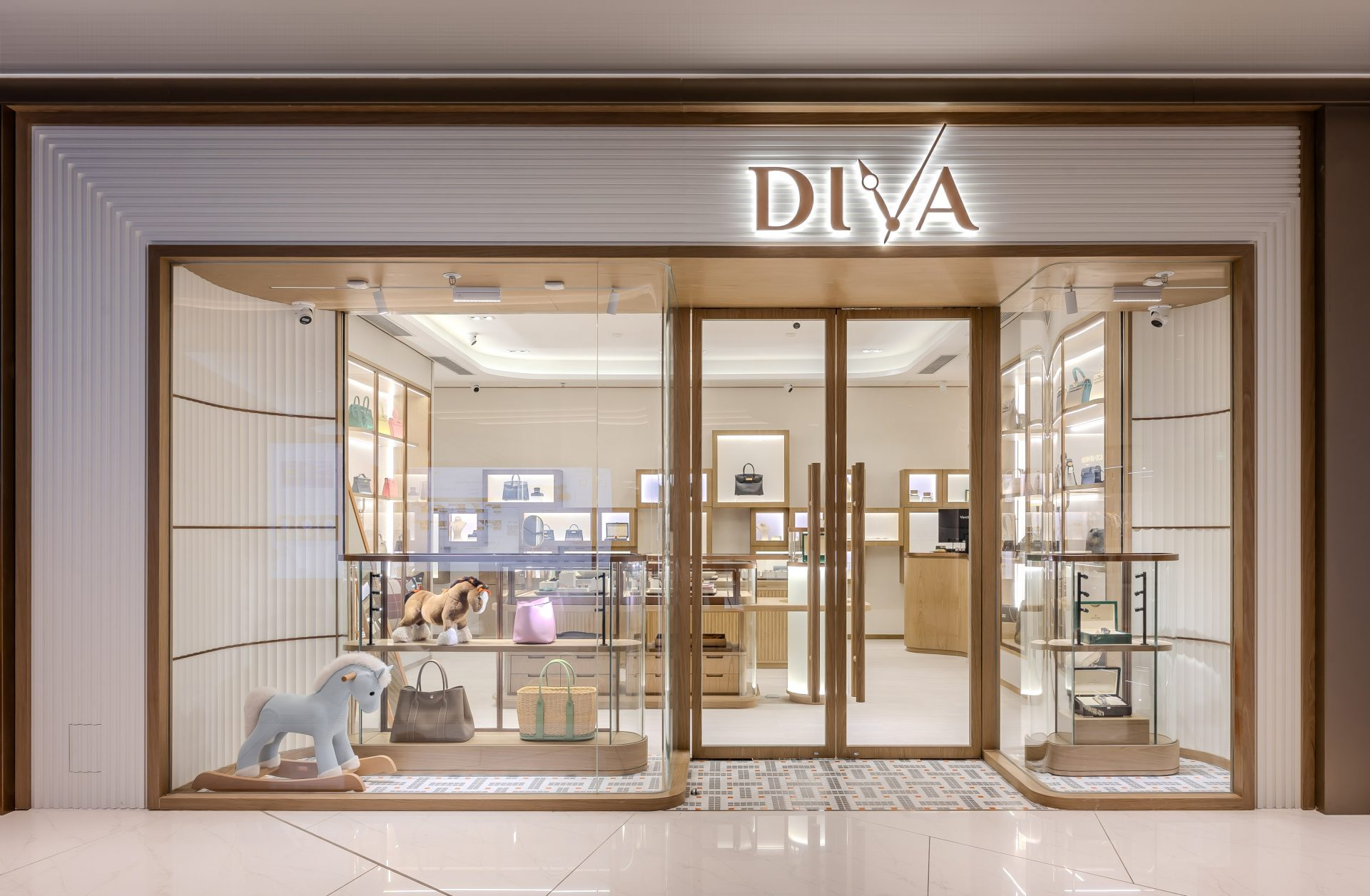
A lot of manufacturers only care about making your store look bright enough, with zero consideration for product protection. Top-tier local boutiques always go with soft, anti-glare backlit strips with balanced neutral lighting. This is exactly why refined store layouts like Diva Boutique skip overwhelming spotlights entirely and opt for full-store embedded soft lighting that protects inventory while elevating the space.
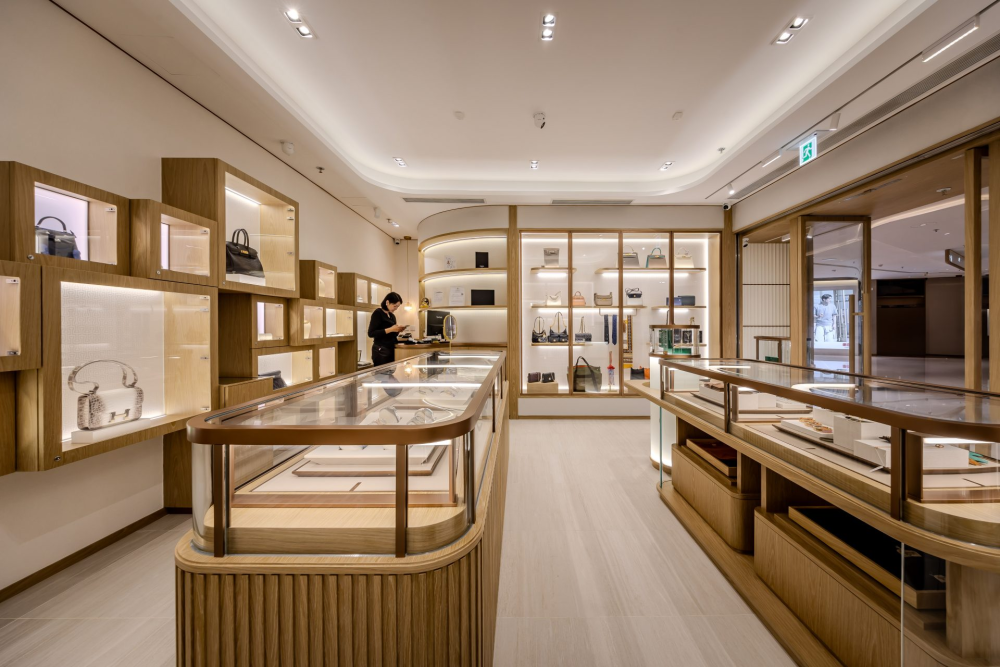
2. Overlooking Hidden Fees for Curved and Rounded Custom Work
Standard straight display cabinets come with fixed, transparent pricing, which is pretty straightforward. But if you’re after that modern, upscale boutique look with rounded edges, curved island counters and arched ceiling detailing, most factories will charge extra for these custom craftsmanships — and they often don’t mention it in the initial quote.
It’s super common for store owners to lock in a low preliminary price, only to get hit with unexpected surcharges once production starts. Soft curved lines are essential for creating that calm, high-end luxury atmosphere shoppers love. Always verify fees for curved cutting, metal edging and surface polishing before signing any official contract.
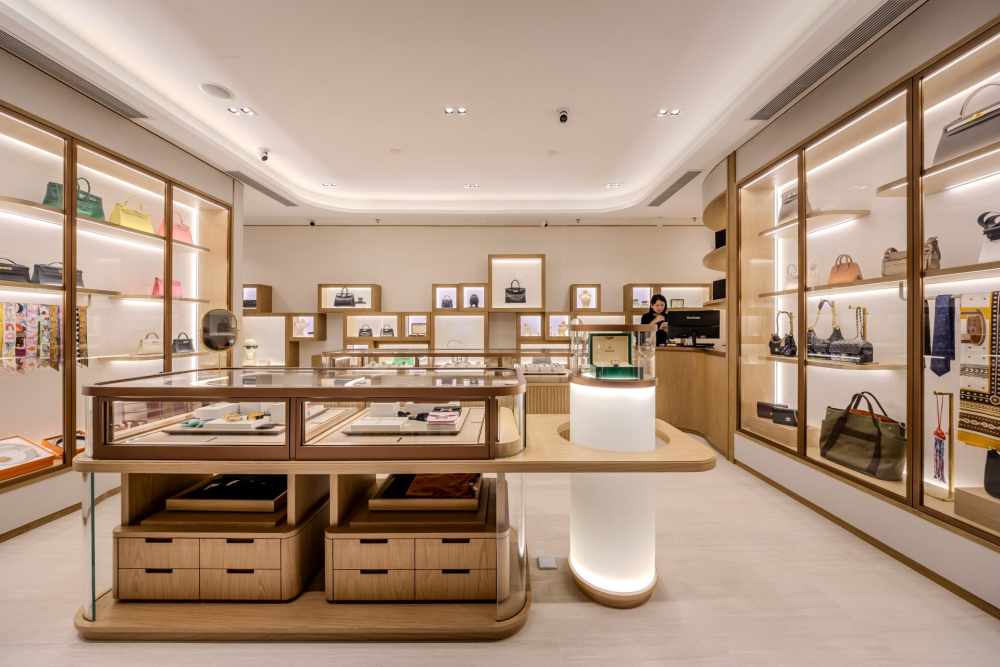
3. Settling for Regular Glass Without Tempering or Anti-Theft Treatment
Luxury boutiques house extremely high-value items, from designer handbags to fine jewelry and collectible watches. Standard thin glass is fragile, unsafe, and fails to meet most shopping mall safety regulations. Many cheap display providers cut corners by skipping thick tempered glass and explosion-proof film to lower their costs.
Whether your store is located inside a busy mall or on a street-front retail strip, investing in thick tempered glass paired with reliable security locks is non-negotiable. It keeps your merchandise safe and also meets standard insurance and operational requirements for high-end retail spaces.
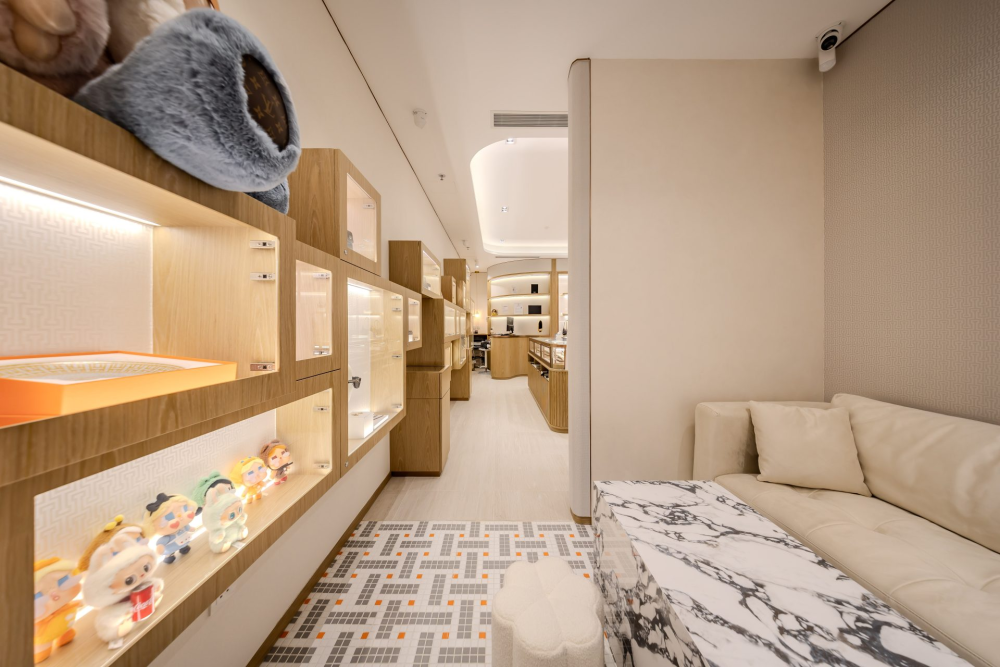
4. Skipping a Private Lounge for Appraisal and Consignment Services
Most first-time boutique builders focus all their attention on display walls and showcase layouts, ignoring practical functional zones. Today’s pre-loved luxury stores do far more than retail sales. Most steady profits come from private client services like item appraisal, luxury consignment and one-on-one client consultations.
Stores without a dedicated private seating area miss out on countless high-end private deals. The Diva Boutique renovation solved this pain point perfectly by adding an independent lounge zone with comfortable sofas and tea tables, creating a quiet, intimate space for staff and clients to discuss deals without distractions.
5. Messy Layout and Poor Customer Traffic Flow
Bad cabinet placement is one of the easiest ways to make a premium boutique feel cramped and unprofessional. Some retailers stuff too many display units into a limited floor space, blocking sightlines, narrowing walkways, and leaving customers with a clunky, rushed shopping experience.
A well-designed luxury boutique follows a natural visitor flow: eye-catching window displays draw in foot traffic, followed by an open entrance viewing zone, central display island, wall-mounted showcase sections, and a tucked-away private lounge. This logical layered layout keeps the space open, elegant, and drastically improves customer comfort and brand perception.
6. Cheap Wood Materials That Warp in Humid Conditions
Budget-friendly custom cabinets often use low-grade plywood and thin veneer finishes. This works fine for ordinary retail, but it’s a disaster for long-term luxury store use. In coastal and humid climates, these low-quality wooden fixtures quickly absorb moisture, leading to bubbling surfaces, deformed frames and even mold growth within just a few months.
High-end boutique displays require stable premium wood veneer and complete professional moisture-proof processing. This guarantees long-term structural stability and maintains the store’s consistent high-end wood-tone aesthetic for years.
7. Choosing Vendors With No On-Site Installation or After-Sales Support
Plenty of display manufacturers only ship finished cabinets and offer zero on-site support. Every retail space has minor structural differences, and without professional on-site measurement and installation, you’ll end up with misaligned cabinets, uneven lighting and unstable fixtures that look unpolished and unprofessional.
Final Thoughts
Custom display cases are one of the biggest and most important investments for any luxury boutique. Avoiding these common, avoidable mistakes lets you build a safe, stylish and high-converting retail space that impresses clients and protects your valuable inventory. If you’re searching for a proven, timeless boutique design, the warm wood-tone curved layout featured in the Diva Boutique project remains one of the most reliable and trendy options for new luxury store builds in 2026.