Choosing the right outdoor kiosk material requires comprehensive consideration of multiple factors. Here are some detailed points:
1. Use Environment
If the area where the outdoor kiosk is located has large temperature changes, it is necessary to choose materials with a small coefficient of thermal expansion and contraction to prevent deformation and cracking of the material. For example, aluminum alloy materials have relatively good dimensional stability when the temperature changes, while some stone materials may have fine cracks under extreme temperature changes.
In humid or rainy environments, the moisture-proof and waterproof properties of materials are crucial. After special treatment, anticorrosive wood can resist a certain degree of rain erosion, but it may still have problems such as mildew in a high humidity environment for a long time. In contrast, stainless steel and synthetic materials (such as plastic wood and FRP) have better moisture-proof and waterproof properties and are more suitable for use in rainy areas.
Strong ultraviolet radiation can cause the material to fade and age. Wood and some plastic products are prone to discoloration and brittleness when exposed to strong ultraviolet light for a long time. If the outdoor pavilion is located in a sunny place, you can choose materials with strong UV resistance, such as FRP materials with anti-ultraviolet coating or specially treated wood to extend the service life of the material.
2. Purpose of Use
If the outdoor kiosk is mainly used for people to relax, cool off, enjoy the scenery, etc., then the comfort of the material is more important. Wood has a natural texture, giving people a warm and comfortable feeling, and is an ideal choice for creating a leisure atmosphere. In addition, plastic wood seats with soft cushions can also provide good comfort.
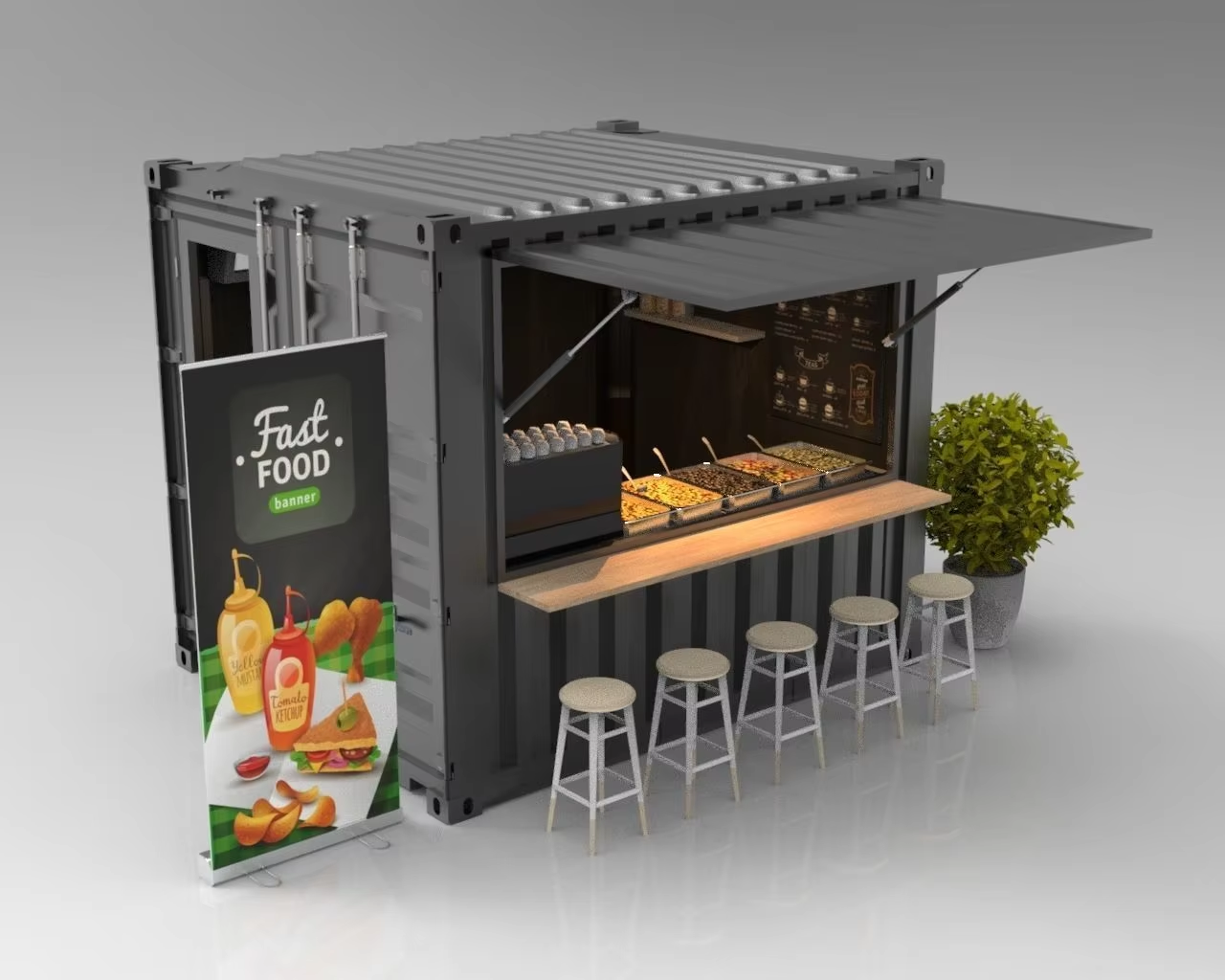
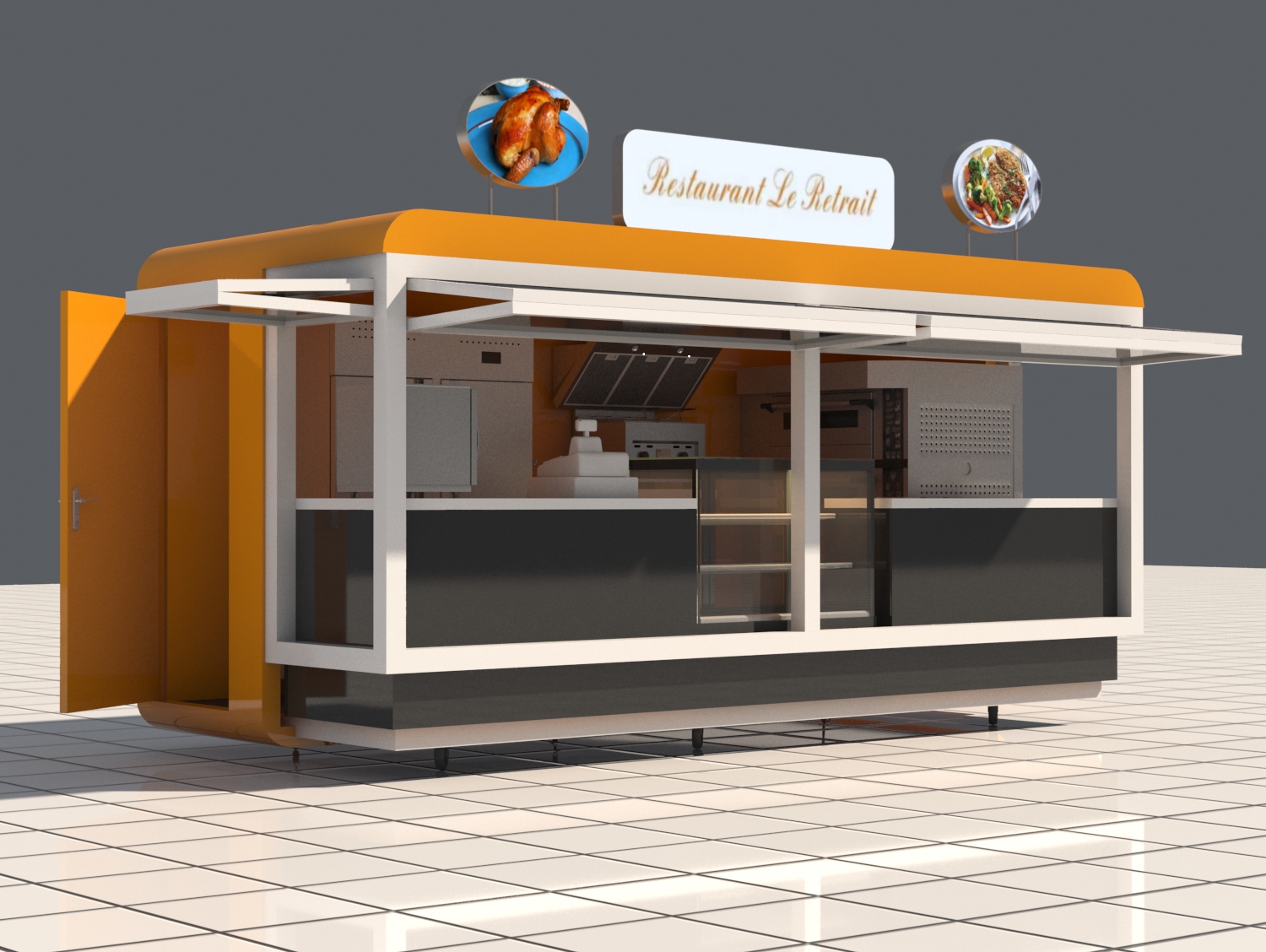
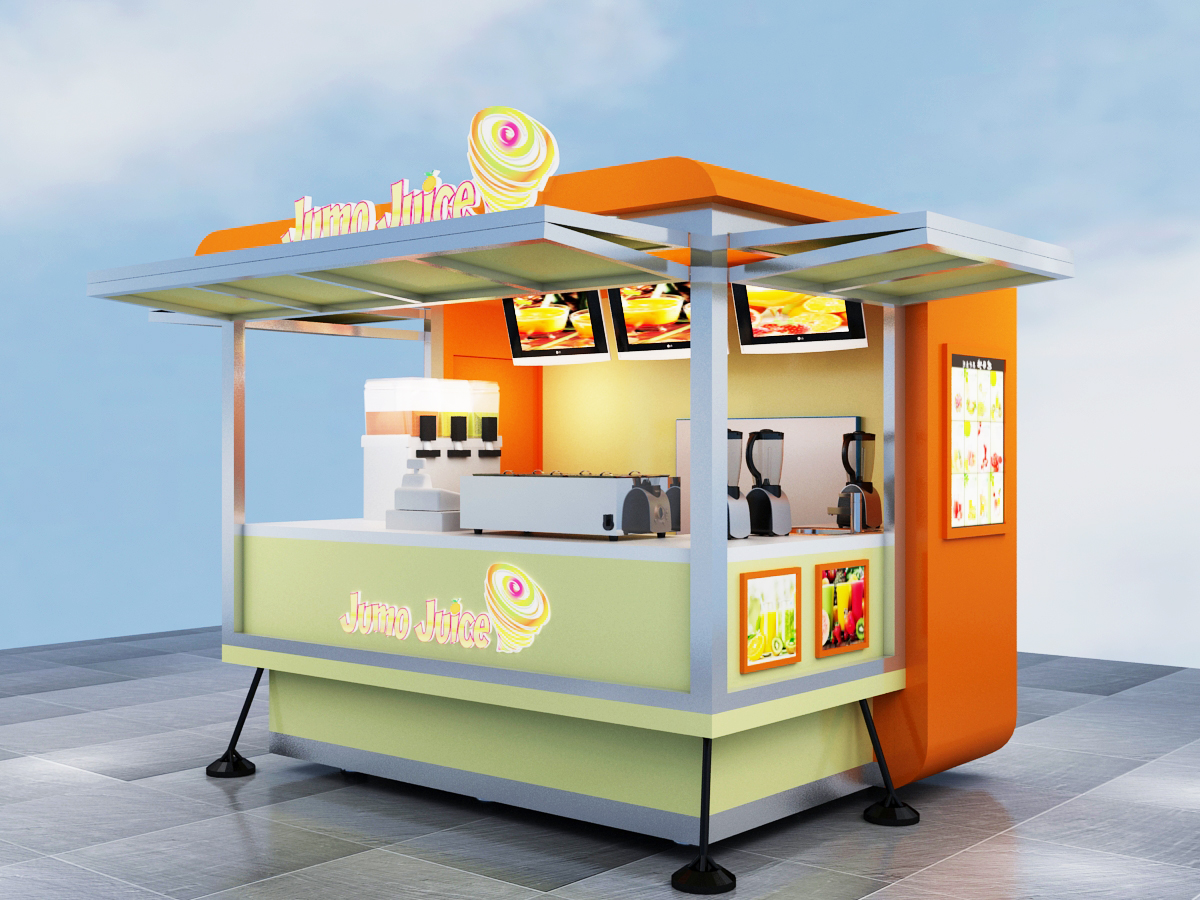
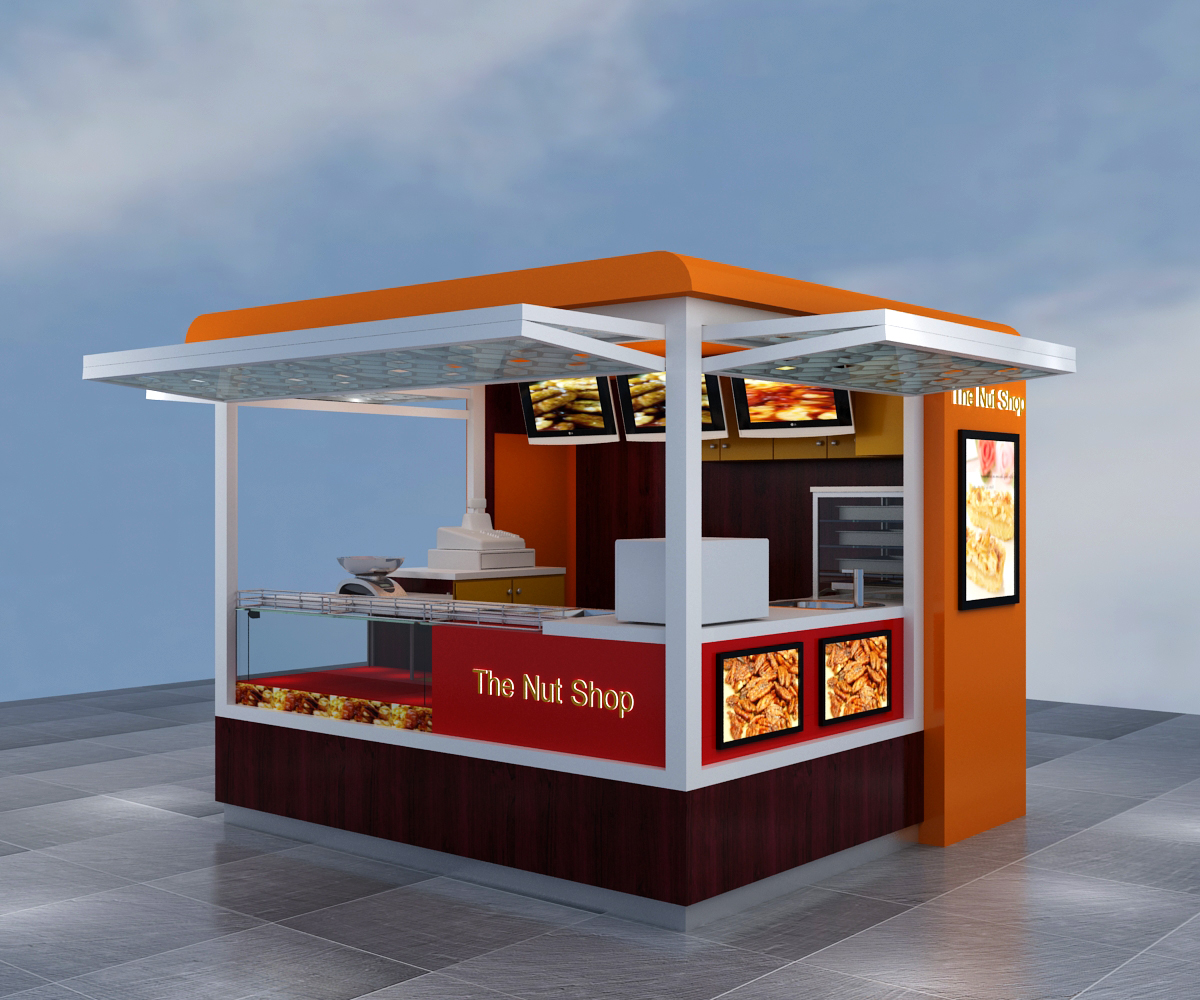
For outdoor kiosks used for commercial operations (such as snack kiosks, retail kiosks, etc.), the materials need to be easy to clean and durable. Stainless steel and aluminum alloy materials have smooth surfaces, are easy to wipe clean, and can withstand frequent use and wear and tear caused by traffic.
At the same time, these materials can also be conveniently installed with various commercial equipment such as sales windows and signs through proper design. For example, as a bus shelter, public information kiosk, etc., in addition to meeting the requirements of durability and easy maintenance, the materials also need to consider safety. For example, choose ground materials that are not easy to slip, and materials with good fire resistance to ensure the safety of the public.
3. Durability
As a facility that has been tested by the natural environment for a long time, the material selection of outdoor kiosks first considers durability and corrosion resistance. Anticorrosive wood is an ideal choice. It not only has a long service life, but also has good visual effects and can adapt well to various outdoor environments. After special treatment, anticorrosive wood can effectively resist decay and insect infestation, thereby ensuring its stability and safety during use.
In addition, stainless steel is also a good choice. It is sturdy and durable, not easy to rust, and can maintain its beauty for a long time. The strength and corrosion resistance of stainless steel can ensure the stability and durability of the structure of the outdoor pavilion. Aluminum alloy is also an excellent choice. It not only has excellent durability and corrosion resistance, but also has a light weight and is easy to process and install.
4. Waterproof
The waterproof performance of the outdoor kiosk is very important, and materials with excellent waterproof performance need to be selected. Fiberglass is an ideal choice. It can not only effectively prevent rainwater leakage, but also is lightweight and corrosion-resistant, making it very suitable for outdoor use.
Metal coating materials are also a good choice. By coating the metal surface with a waterproof layer, its waterproof performance can be improved. For example, metal coatings such as galvanizing or aluminum plating can resist rain erosion and ensure long-term beauty and durability.
5. Easy to Clean
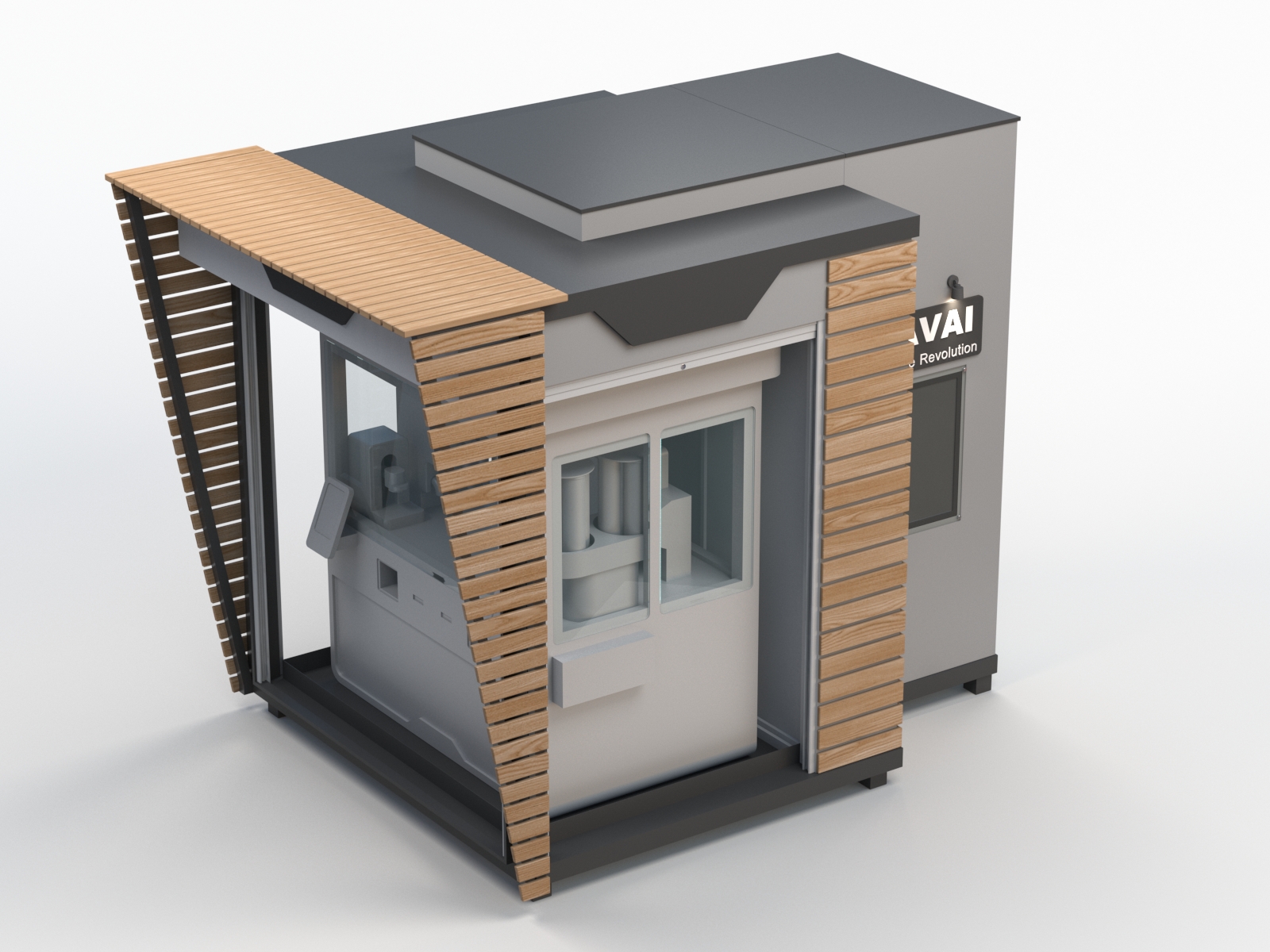
Outdoor kiosks are easily contaminated with dust, stains, bird droppings, etc. Metal materials such as stainless steel and aluminum alloy have smooth surfaces and are easy to wipe clean with a damp cloth, making them relatively convenient to clean. The surfaces of some synthetic materials (such as FRP) also have a good finish and are easy to clean.
For wood materials, although their texture is natural, they are relatively troublesome to clean. For example, stains on the surface of wood may require the use of special wood cleaners, and protective paint may need to be reapplied after cleaning to maintain its performance. The cleaning of stone materials should choose the appropriate cleaning method according to the type of stone and the type of stains. Generally speaking, stones such as granite and marble can be wiped with neutral detergents and clean water, but avoid using detergents containing acidic ingredients to avoid damaging the stone surface.
6. Material Cost
The prices of different materials vary greatly. The price of wood varies depending on the type and quality. For example, the price of ordinary antiseptic wood is relatively low, while the price of precious solid wood is higher. Among metal materials, the price of aluminum alloy is relatively moderate, while the price of stainless steel is relatively high.
The price of synthetic materials also varies depending on factors such as brand and performance. Generally speaking, the price of FRP materials is relatively high, while the price of plastic wood is relatively affordable. When the budget is limited, it is necessary to comprehensively consider the balance between material cost and performance.