When you're opening a candy shop, jewelry store, milk tea shop, perfume boutique, or mall kiosk, it's easy to spend most of your time thinking about the shape and layout of the kiosk.
But there's another decision that can have just as much impact: the surface finish.
The same kiosk design can look completely different with powder-coated metal, wood veneer, laminate, stainless steel, or a high-gloss finish. More importantly, some finishes handle fingerprints, cleaning, impact, and daily customer traffic much better than others.
Here are 10 common finishes worth considering in 2026.
1. Powder Coating
Powder coating is widely used for metal frames, cabinets, counters, and commercial fixtures.
Instead of applying liquid paint, dry powder is electrostatically applied to the metal and then cured with heat. The result is a hard, even surface.
Good for: high-traffic kiosks, metal cabinets, frames, food retail.
2. Liquid Paint
Traditional paint still has its place, especially when you need unusual colors or specific visual effects.
It's flexible and relatively easy to customize, but the final durability depends heavily on surface preparation, paint quality, and application.
Good for: decorative kiosks and projects where color matching is important.
3. Wood Veneer
Want a kiosk to feel more premium without using solid wood everywhere?
Wood veneer is worth considering.
A thin layer of real wood is applied over a stable substrate, giving you the appearance of natural timber while controlling cost and weight.
Good for: jewelry stores, perfume shops, premium food stores.
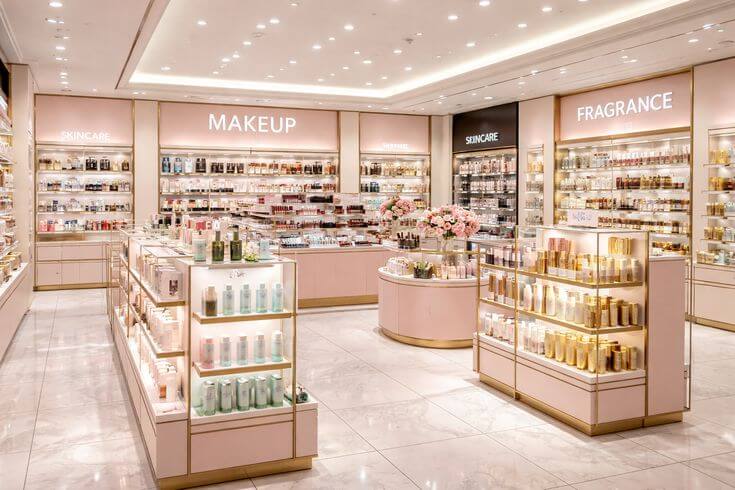
4. HPL / High-Pressure Laminate
HPL is popular in commercial interiors because it is practical.
It comes in hundreds of colors, patterns, wood grains, and textures. It is also relatively easy to clean and maintain.
Good for: candy stores, beverage shops, food kiosks, and busy retail environments.
5. Acrylic
Acrylic can be used for colorful panels, signage, illuminated sections, and decorative details.
It is especially useful when the kiosk needs a modern or playful appearance.
Good for: candy, cosmetics, toys, and promotional displays.
6. Stainless Steel
Stainless steel gives a kiosk a clean commercial appearance and is easy to wipe down.
It is particularly useful around food preparation areas where hygiene and frequent cleaning matter.
Good for: food kiosks, beverage counters, and commercial kitchens.
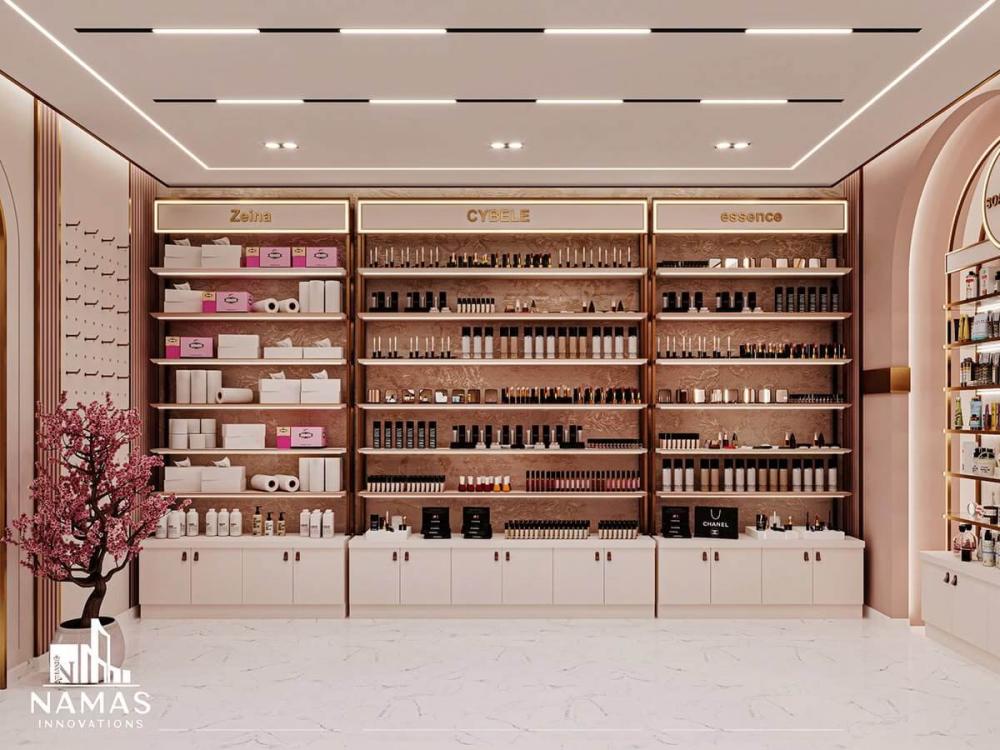
7. High-Gloss Finish
High-gloss surfaces reflect light and can make a small kiosk look brighter.
The downside? Fingerprints and scratches are much easier to notice.
Good for: beauty, cosmetics, jewelry, and premium retail—provided you're prepared for more frequent cleaning.
8. Matte Finish
Matte surfaces have become increasingly popular because they look sophisticated without being overly flashy.
They also tend to hide fingerprints better than high-gloss finishes.
Good for: perfume, skincare, electronics accessories, and modern retail stores.
9. Textured Finish
Texture can add depth to an otherwise simple kiosk.
Wood grain, stone textures, brushed metal, and other tactile surfaces can help create a stronger brand identity.
Good for: stores where the kiosk needs to become part of the overall interior design.
10. Two-Tone Finishing
Why choose one finish?
Combining two materials can make a kiosk much more interesting. For example, a powder-coated metal frame with wood-look panels can create a balance between durability and warmth.
Good for: almost any retail environment where branding matters.
So Which Finish Should You Choose?
Don't choose a finish simply because it looks good in a rendering.
Ask four questions:
How much customer traffic will the kiosk receive?
How often will it be cleaned?
Will customers touch or lean against it?
Does the finish need to match an existing store interior?
A jewelry kiosk may prioritize appearance. A candy kiosk may prioritize easy cleaning. A food kiosk may need materials that tolerate constant wiping.
The best finish is therefore not necessarily the most expensive one.
It's the one that matches how your kiosk will actually be used every day.