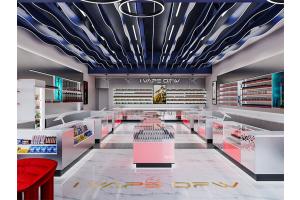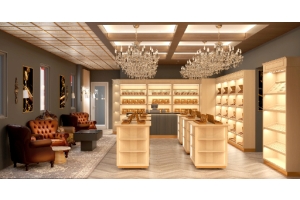
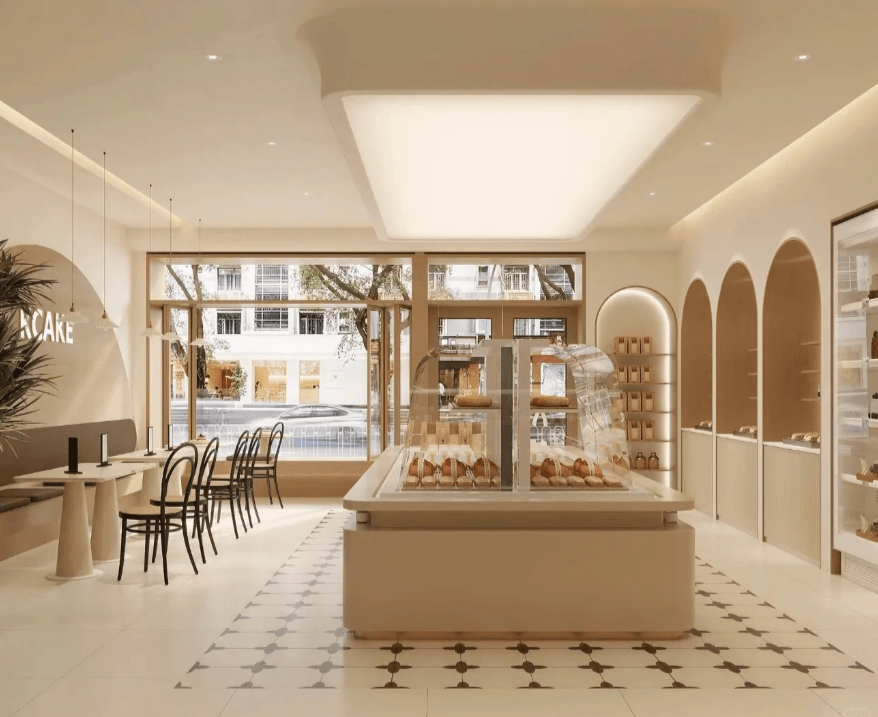
A retail counter is easy to underestimate.
It may be where customers pay, ask questions, pick up orders, or speak with your staff—but it can also become one of the strongest branding and merchandising points in the store.
In 2026, the best retail counters are no longer designed as simple boxes with a POS terminal on top. Store owners are looking for counters that improve customer flow, hide operational clutter, create display opportunities, and make the store feel more intentional.
Here are 10 retail counter designs worth considering for a new store or renovation.
1. Minimalist Straight Counter
Clean lines, flat surfaces and concealed storage make the straight counter one of the safest choices for modern retail.
It works especially well in fashion stores, cosmetics shops, electronics stores and small boutiques where the products—not the counter—should dominate the visual space.
The key is proportion. A counter that is too deep can steal valuable floor space, while one that is too narrow may leave insufficient room for POS equipment and customer bags.
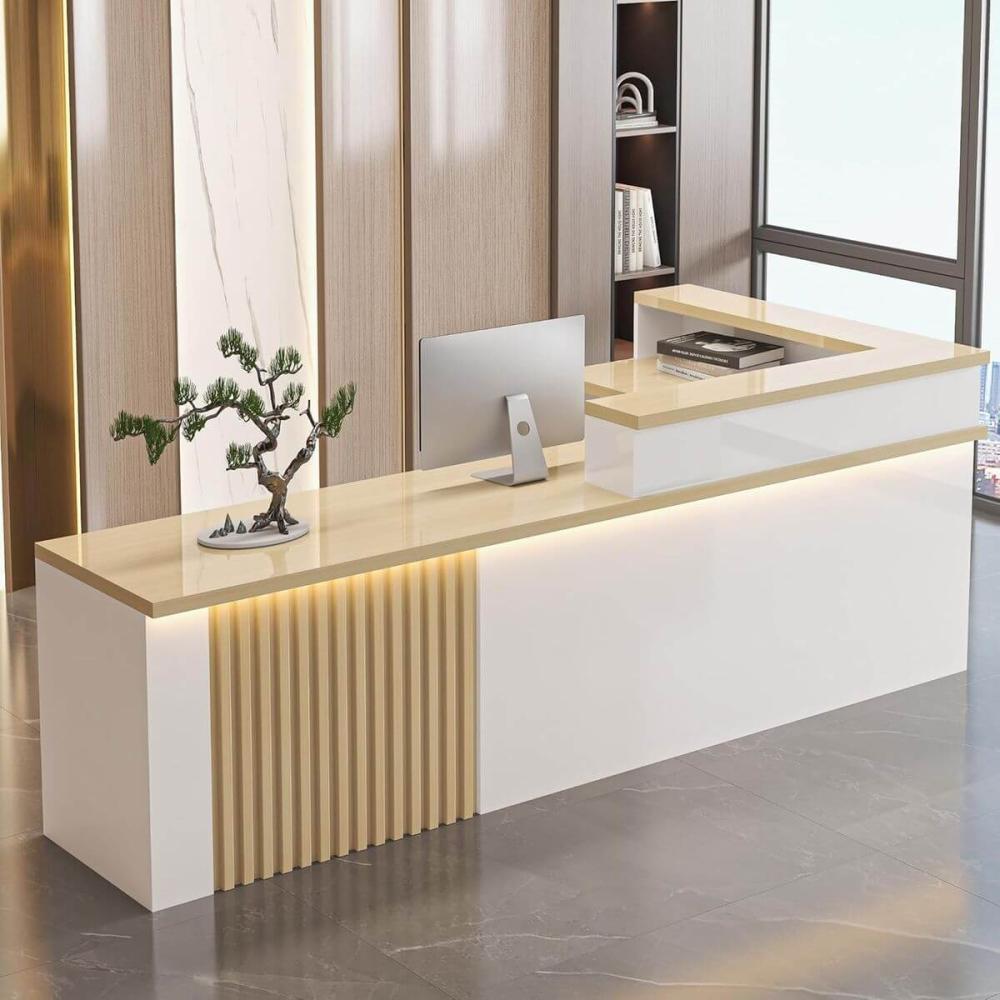
2. L-Shaped Retail Counter
An L-shaped counter does more than provide a larger work surface.
The return section can separate the customer-facing payment area from the staff workspace, while creating additional storage underneath.
This configuration is particularly useful for larger boutiques, convenience stores, beauty retailers and specialty shops where two employees may need to work around the same counter.
3. Curved Front Counter
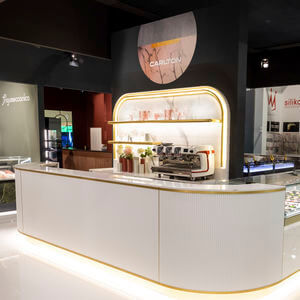
Curved counters soften the appearance of a store and create a more approachable customer interaction zone.
They are popular in beauty, cosmetics, jewelry, wellness and premium retail environments, where a hard rectangular counter can feel too commercial.
Curves also work well when the store design uses rounded display cabinets, arches or circular lighting elements.
4. Display-Integrated Counter
Why waste the most visible part of the counter?
A display-integrated counter combines the checkout function with shelves, glass compartments or small product bays.
It is ideal for perfume, jewelry, sunglasses, cosmetics, candy and accessories, where customers can easily pick up an additional low-cost item while waiting to pay.
The important rule: don't fill every inch. A few carefully selected products usually look more premium than a crowded countertop.
5. Floating-Style Retail Counter
A floating-style counter uses recessed bases, shadow gaps or visually lightweight construction to create a cleaner appearance.
It is a strong option for premium fashion, beauty and lifestyle stores where the fixture needs to look sophisticated without becoming the visual centerpiece.
This design is especially effective when combined with concealed LED lighting and wall displays.
6. Wood Retail Counter
Wood remains one of the most versatile choices for commercial interiors.
Oak, walnut, plywood veneer and painted MDF can create completely different moods—from Scandinavian minimalism to warm boutique retail.
Wood counters are particularly suitable for food stores, coffee shops, perfume stores, gift shops and lifestyle brands because they make a commercial space feel less clinical.
For high-traffic stores, however, finish durability matters just as much as appearance.
7. Glass Display Counter
A glass display counter turns the counter itself into merchandise space.
It is commonly used for jewelry, watches, luxury accessories, collectibles and high-value small products.
The biggest advantage is security combined with visibility: customers can see the products while staff retain control of access.
Lighting is critical. Poorly positioned lighting can create reflections on the glass and make expensive products look flat.
8. Modular Retail Counter
Not every store has the same operational requirements.
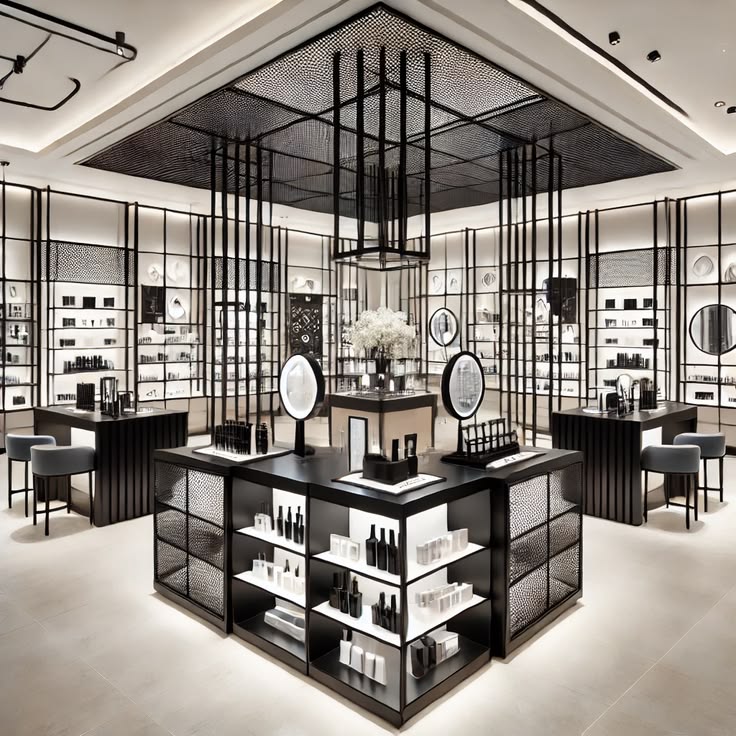
A modular counter allows different sections—checkout, storage, display, packing or customer service—to be combined into one system.
This is useful for growing brands, multi-location retailers and stores with changing merchandising needs.
Instead of replacing the entire counter during a renovation, individual modules can potentially be reconfigured or replaced.
9. Brand-Statement Counter
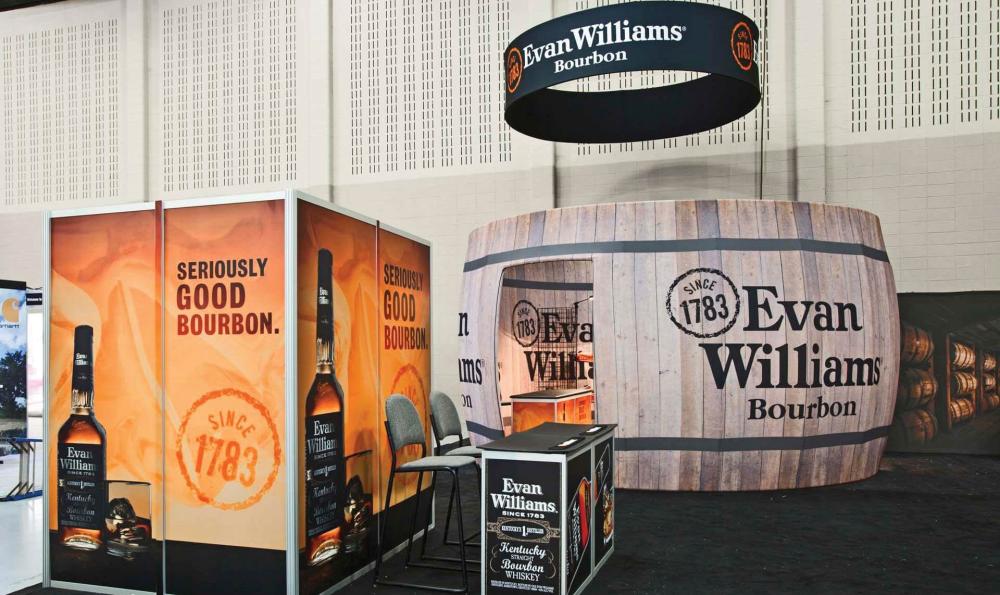
Some stores use the counter as a piece of brand architecture.
Think oversized logos, distinctive materials, illuminated panels, signature colors or a dramatic front profile.
This works particularly well for beauty brands, sneaker stores, candy shops, viral-toy stores and fashion retailers where visual identity is part of the product experience.
The trick is knowing when to stop. A strong branded counter should be recognizable—not visually exhausting.
10. Hybrid Checkout + Merchandising Counter
For many stores in 2026, the smartest option is not choosing between checkout and display.
It is combining both.
A hybrid counter can include a POS workstation, concealed storage, customer bagging space, impulse-product display and integrated lighting in one compact footprint.
This approach is particularly valuable in smaller American retail spaces where every square foot has to earn its place.
How to Choose the Right Retail Counter
Don't start with the style. Start with the operation.
Ask five questions:
How much floor space can the counter occupy?
Measure the available area before choosing the shape.
How many employees will use it?
One cashier needs a very different workstation from a two- or three-person checkout.
What products should be displayed nearby?
If impulse sales matter, build merchandising into the counter instead of adding random racks later.
Where will the customer stand?
The counter should support natural traffic flow rather than creating a bottleneck.
What needs to be hidden?
Bags, packaging, cables, printers, POS hardware and inventory should have designated storage.
A well-designed retail counter should make checkout easier for employees, clearer for customers and more valuable for the business.
That is the real trend for 2026: less furniture, more function.