If 2026 is the year you're finally tackling a salon renovation, building out a brand-new space, or swapping out those tired old cabinets, you've probably lost a few nights staring at glossy renderings and spreadsheet after spreadsheet of quotes. And maybe you've also been burned before that moment— wobbly shelves, that annoying you can't explain, a final invoice doesn’t like the first estimate, or storage that just doesn't line up with how the team actually works.
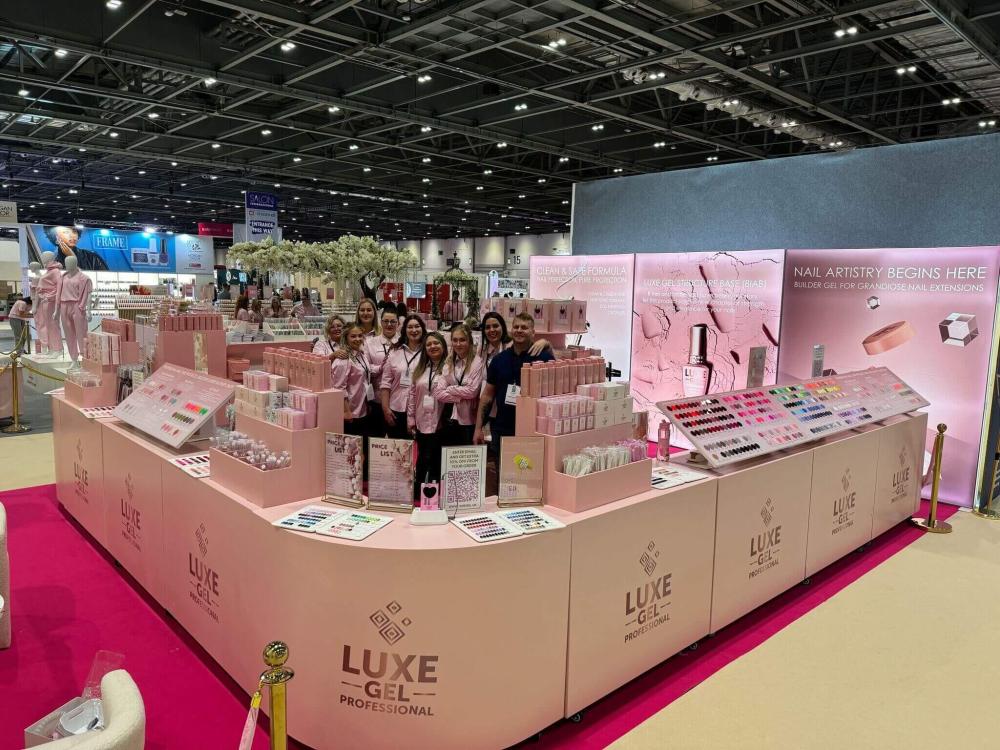
We don’t talking about hypotheticals here. Across Los Angeles, Irvine, and Santa Ana, we've sat down with dozens of salon owners and walked through the same mistakes. These aren't design theories — they're on-site, paid-for-with-real-money lessons. Here's what keeps coming up.
Trap 1: The "Cheap" Quote That Never Stays Cheap
It's the oldest trick in the book: a maker throws out a base price that sounds too good to pass up, and then the line items start multiplying once the project's already moving. Transparent side panels, trim at the top and bottom, LED strip lighting plus the transformers, soft-close hardware, drawer slides, extra wall reinforcement, delivery, installation — even hauling away the old cabinets gets tacked on. For a mid-sized beauty salon, those "little extras" can quietly inflate your final number by 20 to 35 percent.
The fix is boring but works: demand a fully itemized quote before you sign anything. Break it down part by part — materials, hardware, lighting, trim, shipping, labor. And get it in writing that nothing extra shows up unless you approve a change in writing first. Verbal assurances are worth exactly nothing when the invoice arrives.
Trap 2: Materials That Look Great on Paper (and Nowhere Else)
Salespeople love dropping phrases like "high-grade wood composite" or "waterproof board." In fact there are lots traps, the corners they cut are the ones you can't see without taking a sledgehammer to the finished product.
That means: back panels shrunk from 9mm down to a flimsy 3mm that flexes and invites mold; a salon cabinet box built with 16mm board instead of 18mm so it bows under the weight of your products; and a front that looks premium while the inside is filled with cheap, unbranded particleboard.
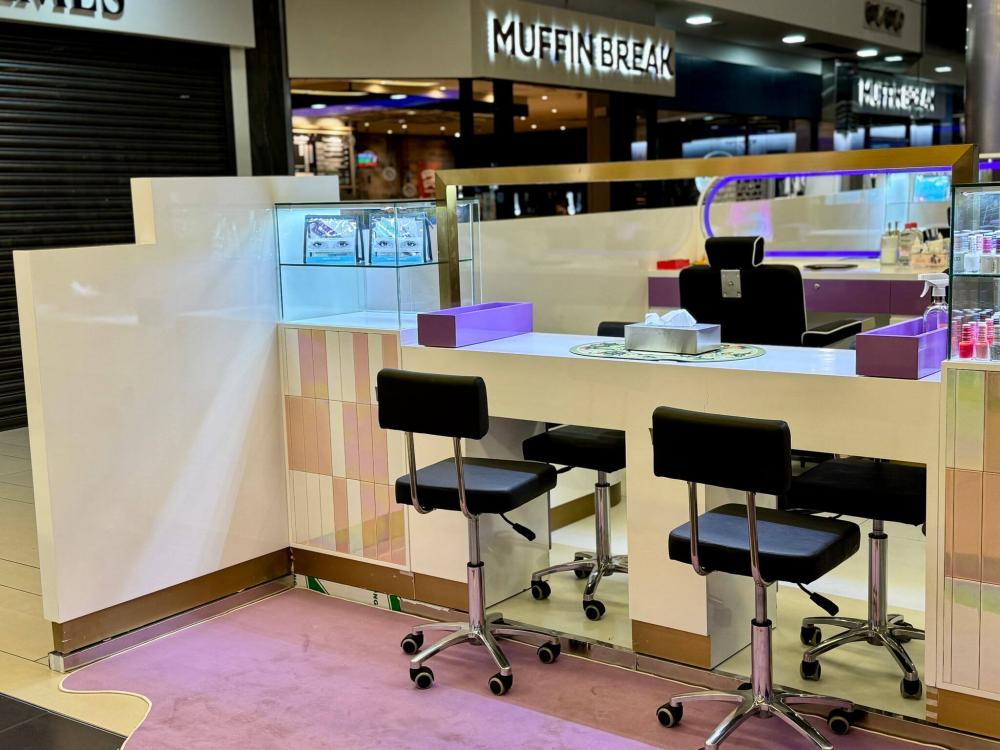
Here's the thing about salons specifically — the air is rough. Hair spray, water, skincare products, daily steam. Thin materials warp fast, and once they warp, your whole layout starts falling apart. So put the numbers in the contract: 18mm body, 9mm back panel, properly sealed edges. Ask for physical samples and dunk them in water yourself before production starts. It takes ten minutes and saves you a headache you can't undo.
Trap 3: The Pretty Layout That Fights Your Workflow
Here's a pattern we see all the time: the designer delivers something that photographs beautifully, and then nobody can actually work in it. Deep cabinets block the path staff walk a hundred times a day. Shelves are set for a product line you don't carry, or too low for the one you do. Drawers land in spots that make no sense for the tools you grab constantly. And somehow there's zero room for towels, disposables, or backstock.
A gorgeous cabinet that doesn't fit your daily rhythm doesn't just look wrong — it slows your people down and it reads as friction to your clients. So before anything gets built, walk the designer through your actual day. Show them where the tools live, where the linens go, where retail sits. And push for modular, adjustable shelving so you can reconfigure later when your brand mix shifts. Because it will shift.
Trap 4: "Free" Hardware That Breaks by Month Six
"Standard hardware included" sounds like a win — right up until the hinges start squeaking, the drawers stick halfway, and a door refuses to close all the way. Salons run ten-plus hours a day, and cabinets in that environment get hammered. Low-end hardware fails fast, and every failure means either closing off a section mid-service or doing a DIY patch that screams "unprofessional" to anyone walking in.
The smarter move: pay a little more up front for soft-close, heavy-duty hinges and slides, and name the exact brand and model in your contract — not "premium hardware," the actual product. Push for a one-to-two-year warranty on it. And here's a tip we give everyone: test the samples yourself, in person. Open and close them twenty times. If they feel rough in your hand on day one, they'll feel worse in year two.
Trap 5: The Details That Kill the Luxury Feel
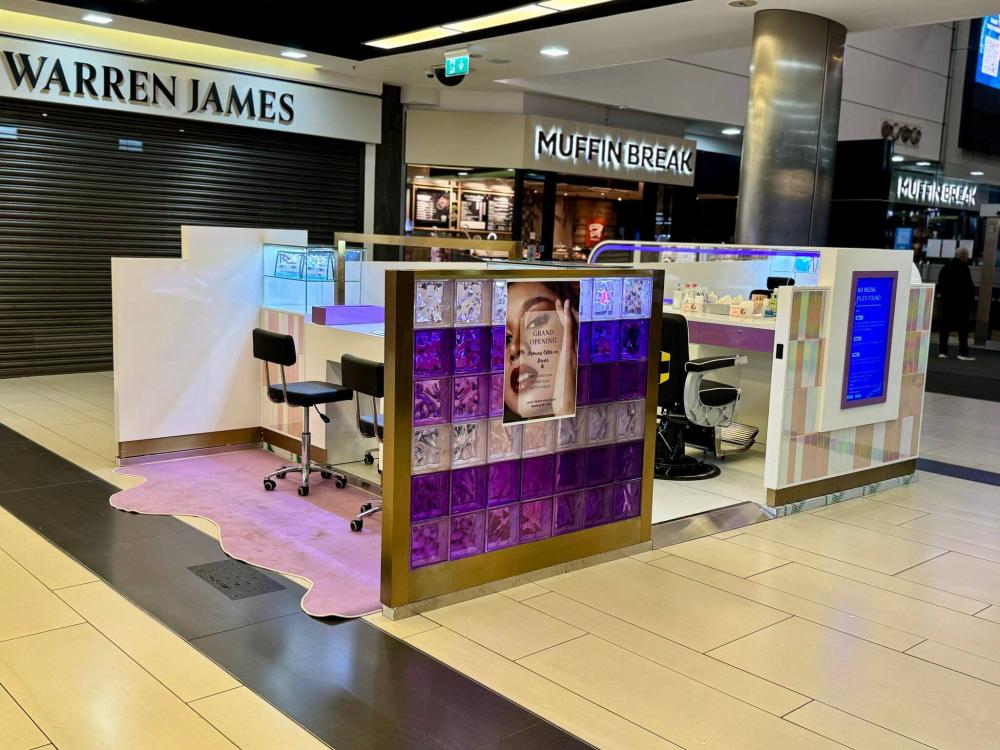
Two little things that get skipped and quietly wreck the whole vibe. First, weak edge sealing — it drinks in moisture, swells, and starts peeling before you know it. Second, lighting that's mounted in the wrong place, either glaring off the product packaging or leaving dark holes where nobody can see what you're selling. And let's not forget the total absence of cutouts for wiring, which means messy cords snaking through a space that's supposed to feel polished.
Your cabinetry should fit with your brand aesthetic and your products — not fight with them. So specify PUR hot-melt sealing for real durability. Plan the lighting early, not as an afterthought: LED strips with diffusers, centered right over each shelf. And build in hidden channels for the wires so nothing dangles in plain sight.
Who Should Care About This
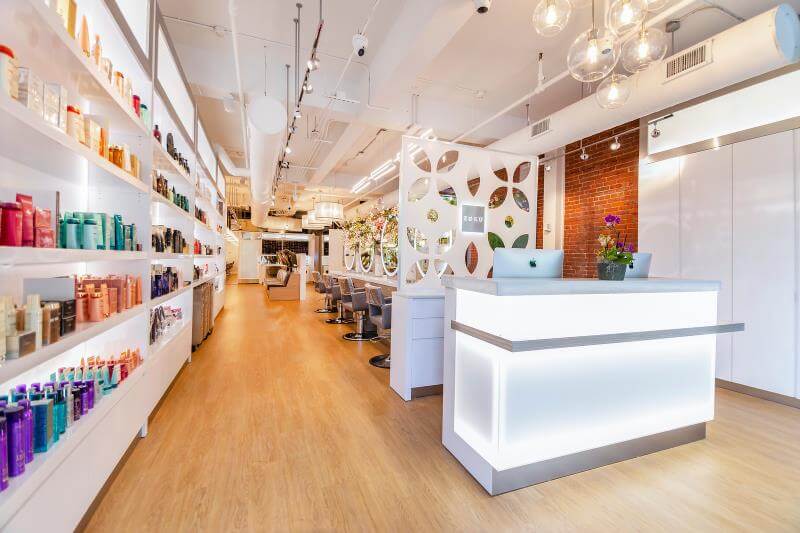
Honestly, this applies to a lot of people. Salon owners planning custom cabinets or a full renovation. New beauty entrepreneurs building out their very first space and hoping not to make expensive beginner mistakes. Retail fixture buyers who need dependable, practical storage solutions and can't afford downtime. And honestly, anyone who's ever signed a quote and then watched the price climb.
If you're ready to skip these traps and get cabinets that are actually built for the reality of salon life, that's exactly what we do — custom design, manufacturing, and installation made for beauty spaces. We design around real on-site workflow and materials that hold up, so you end up with cabinets that look the part and work even harder.