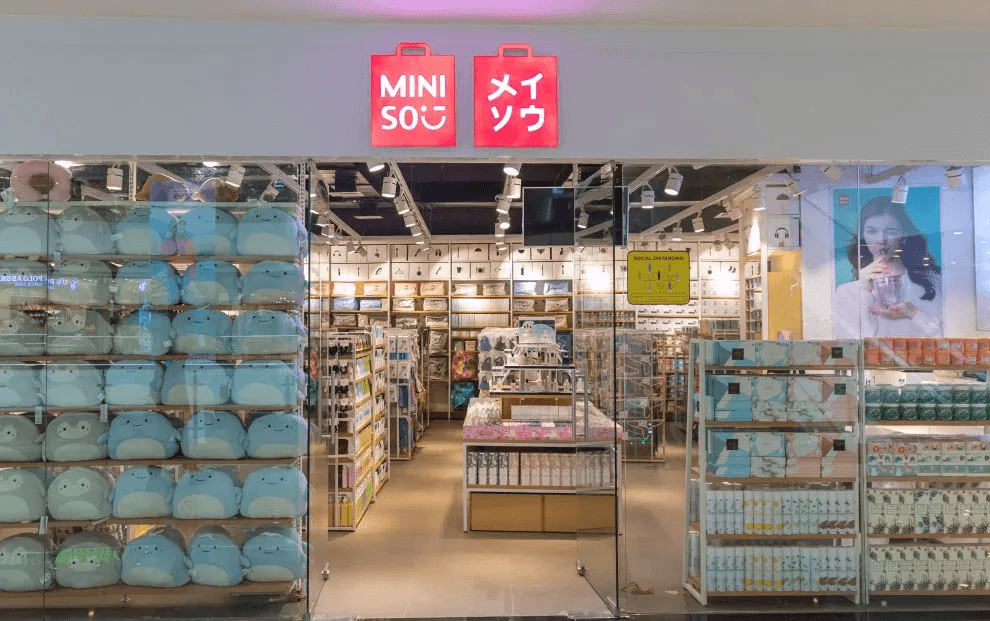
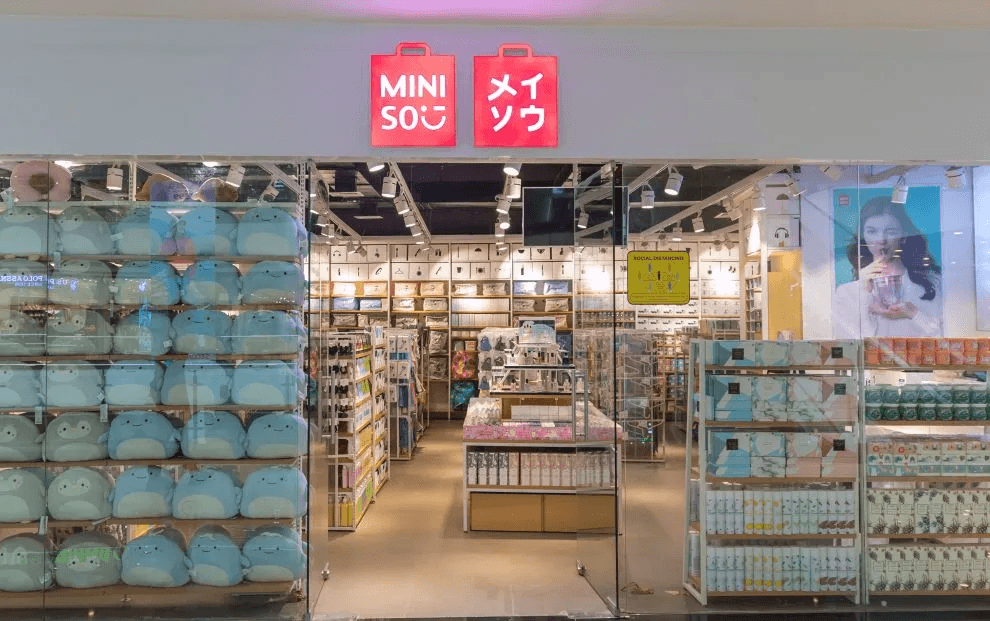
Right as I stepped in this store, those rows of chubby blue plushies by the door immediately won me over. Lined up perfectly on the shelves, they looked so soft and huggable. The store’s warm lighting and neatly arranged shelves felt cozy, not cramped like some cluttered variety shops. And the best part? No hovering salespeople breathing down your neck. You can take your time, browse at your own pace, no pressure at all.
Strategic Furniture Placement
Last week, I hopped around three super popular budget-friendly boutiques, and from the second I stepped through each door to the end of my little shopping spree, I kept noticing something—those shelves, island counters, and storage cabinets that look like they’re just tossed there casually? Turns out, every single one is a little trick to keep customers around and get them to buy more. Since I spend my days knee-deep in commercial spaces and custom furniture, I don’t just see a shelf anymore; I see a whole game plan to grab people’s attention and boost sales without them even noticing.
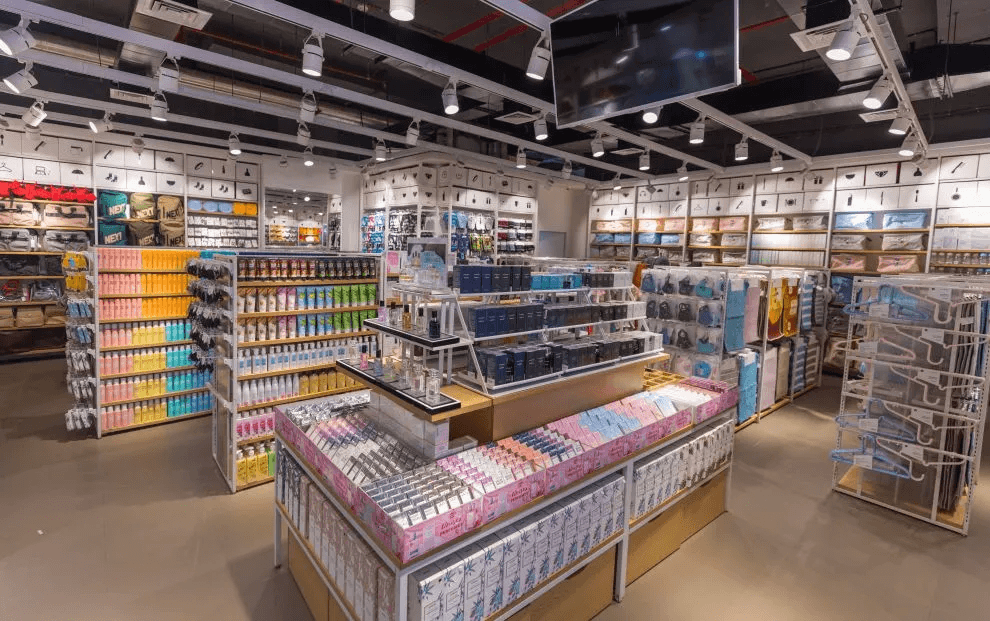
Let me start with the first thing that hit me: the way these stores are laid out is basically designed to make you linger an extra ten minutes, no questions asked. Right when you walk in, you won’t be hit with a wall of shelves crammed full of stuff—instead, like the ones in the photos, there are these staggered island counters, end displays, and baskets that gently nudge you to wander deeper into the store. That row of light wood island tables in the middle? They’re not too tall, not too short, just enough to block your straight-line view, so you have to follow the aisles on either side to see what’s next. And then, at the corners and the very back, there are these eye-catching storage boxes and plush toy walls that hook your curiosity, making you want to keep exploring instead of turning around.
Precise Shelf Spacing
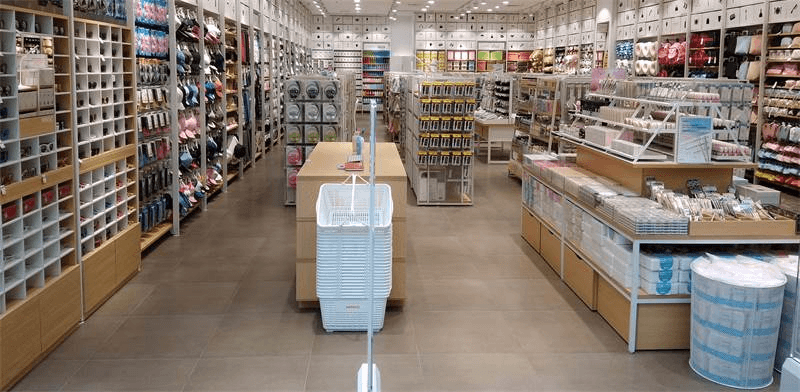
What is the real star here? The display furniture itself—it’s what makes these stores actually work. Take those tall cabinets along the main aisles, for example. They’re all light wood cabinets with white shelves, and that combo does two things: it softens the clutter of all the products, and it bounces the overhead lights around, so even when the store is packed to the gills, it never feels cramped or dark. The space between the shelves? That’s not random at all. The cubbies for socks and small accessories? They’re exactly the height of one product box, so you can grab stuff easily and there’s no wasted space. The tall cabinets for bigger storage items? The shelves are spaced out more, so you can stack things without leaving weird empty gaps up top.
Almost every central island counter follows the same smart trick: display what’s for sale on top, hide the extra stock underneath. The countertop has all the testers and the hottest items of the season, and the wooden drawers below hold the backup inventory. That way, the staff can restock super fast without running to the back room, and customers never have to see messy piles of extra goods—so the store always looks clean and put-together. Even those cylindrical storage bins in the corner aren’t just random buckets; their blue-and-white color matches the product packaging, so they not only corral all the small, loose items but also tie the whole space together visually.
Soft Lighting & Humanized Display Design
What really stuck with me is that these stores, which seem kind of the same at first glance, are all built around two simple goals: hold as much product as possible, and make it easy to sell. To hold more stuff, it’s all about custom sizes and structures. Like those cubbies we talked about—they’re made to fit the exact size of the products, so a cubby for socks holds exactly two pairs, no space gone to waste. The tall cabinets along the walls go all the way up to the ceiling, and the closed white doors on top hide the extra stock while keeping the whole wall looking neat and uniform. No more awkward empty space above cabinets, no messy piles peeking out.
To sell more, it’s all about thinking like a customer. Those island counters are waist-high, so you don’t have to bend over to pick up something—super easy. The edges of the shelves are slightly tucked in, so small items don’t fall off and make a mess. The open hook displays for hats and bags? They let you see the whole item, which is way more enticing than digging through a box. Even the lighting is thought out: the white shelves reflect light, but the wood cabinets don’t glare, so the whole store has this soft, even light that makes every little accessory and beauty product look its best.
A lot of people think these boutiques are popular just because they’re cheap and have lots of stuff, but that’s not the whole story. The same exact product feels totally different when it’s thrown on a messy shelf versus being displayed in a space that’s made just for it. Custom furniture here isn’t just about building a shelf—it’s about creating an experience that ties the brand, the products, and how the customer feels all together.
Functional Custom Design for Retail Spaces
That’s the thing we care most about when we do commercial space customization: great display furniture isn’t just something pretty to look at; it’s a complete solution that fits your brand, your products, and how you want your customers to shop. What you sell decides how far apart the shelves should be and how much weight they can hold. The vibe you want to create picks the materials and colors. How you want customers to move through the store sets the height of the counters and the flow of the aisles.