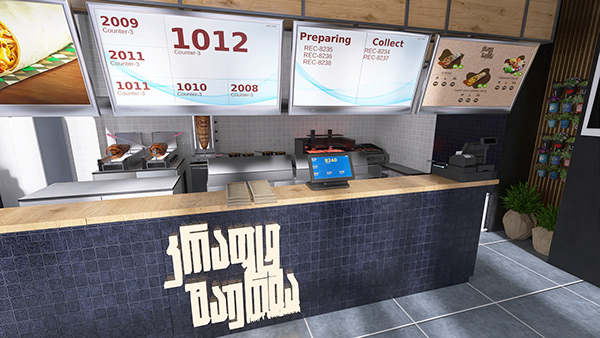
Can the Kitchen and Reception Be Combined? How to Design?
When designing a fast food restaurant, one of the key considerations is the layout and flow of the space. Many fast food restaurants opt for a layout where the kitchen and reception area are separate, with customers placing their orders at the front counter and then waiting for their food to be prepared in the kitchen. However, there are benefits to combining the kitchen and reception area that should be taken into consideration.
Combining the kitchen and reception area can help to streamline the ordering process and improve efficiency. By having a single space where customers can both place their orders and watch their food being prepared, the restaurant can reduce wait times and increase customer satisfaction. This can be especially beneficial for fast-food restaurants that serve a high volume of customers during peak hours.
Additionally, combining the kitchen and reception area can create a more interactive and engaging dining experience for customers. By allowing customers to see their food being prepared, the restaurant can create a sense of transparency and trust. This can help to build customer loyalty and encourage repeat business.
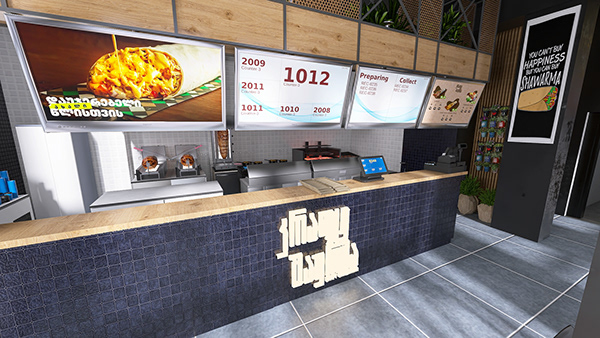
However, there are also considerations that need to be taken into account when combining the kitchen and reception area. For example, it is important to ensure that the kitchen is well-ventilated and that any cooking smells are properly contained. Additionally, the layout of the space should be carefully planned to ensure that there is enough room for both customers and kitchen staff to move around comfortably.
This design not only saves space but also allows for a more efficient workflow, as staff can easily communicate with both the kitchen and customers.
- Utilize efficient layout and equipment placement. Place the kitchen equipment in an organized and efficient manner to minimize movement and optimize workflow. For example, placing the fryers, grills, and prep stations in close proximity to each other can help streamline the cooking process and reduce wait times for customers.
- Consider implementing self-service kiosks. Self-service kiosks can help speed up the ordering process by allowing customers to input their own orders and pay without having to wait in line. This can help reduce congestion at the front counter and improve overall efficiency.
- Implement a grab-and-go section. Having a grab-and-go section with pre-made items such as sandwiches, salads, and snacks can help cater to customers who are looking for a quick meal on the go. This can help reduce wait times for customers who are in a hurry and increase overall customer satisfaction.
- Offer a limited menu. Having a limited menu with a focus on popular items can help streamline the cooking process and reduce wait times. By offering a smaller selection of items, you can ensure that your kitchen staff can quickly and efficiently prepare orders without compromising on quality.
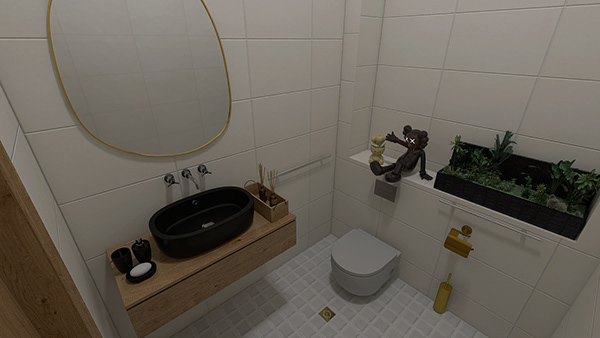
Suggest To Leave A Restroom Space
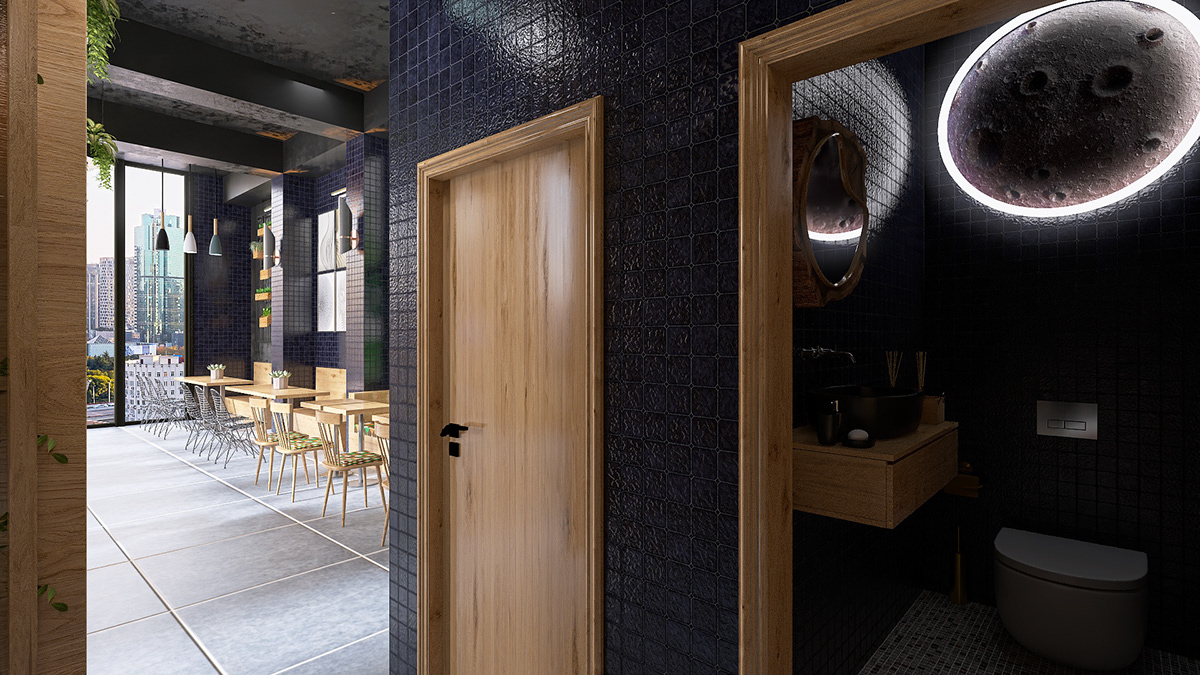
Having a restroom in your fast food restaurant can be a crucial amenity for customers, especially those who may be dining in or spending an extended period of time in the establishment. It also helps to accommodate individuals with medical conditions or parents with young children. Additionally, having a restroom on-site can help attract more customers and increase overall satisfaction with the dining experience.
When designing a restroom for a fast food restaurant, it is important to consider the layout and functionality of the space. The restroom should be easily accessible and located in a convenient area within the restaurant. It should also be well-maintained and kept clean at all times to ensure a positive experience for customers.
In terms of design, it is essential to choose durable and easy-to-clean materials for the restroom, such as tile or laminate flooring and water-resistant paint on the walls. It is also important to provide adequate lighting and ventilation to create a comfortable and welcoming environment.
How to Choose the Right Dining Chair According to the Design of the Restaurant
The right dining chairs and tables can make a big difference in the overall look and feel of the restaurant, as well as the comfort of the customers. Here are some tips on how to choose the right dining chairs and table for your fast food restaurant.
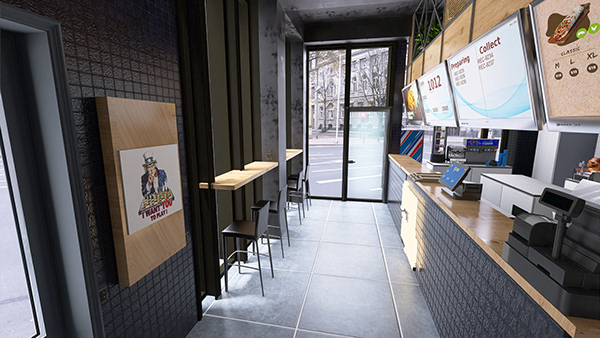
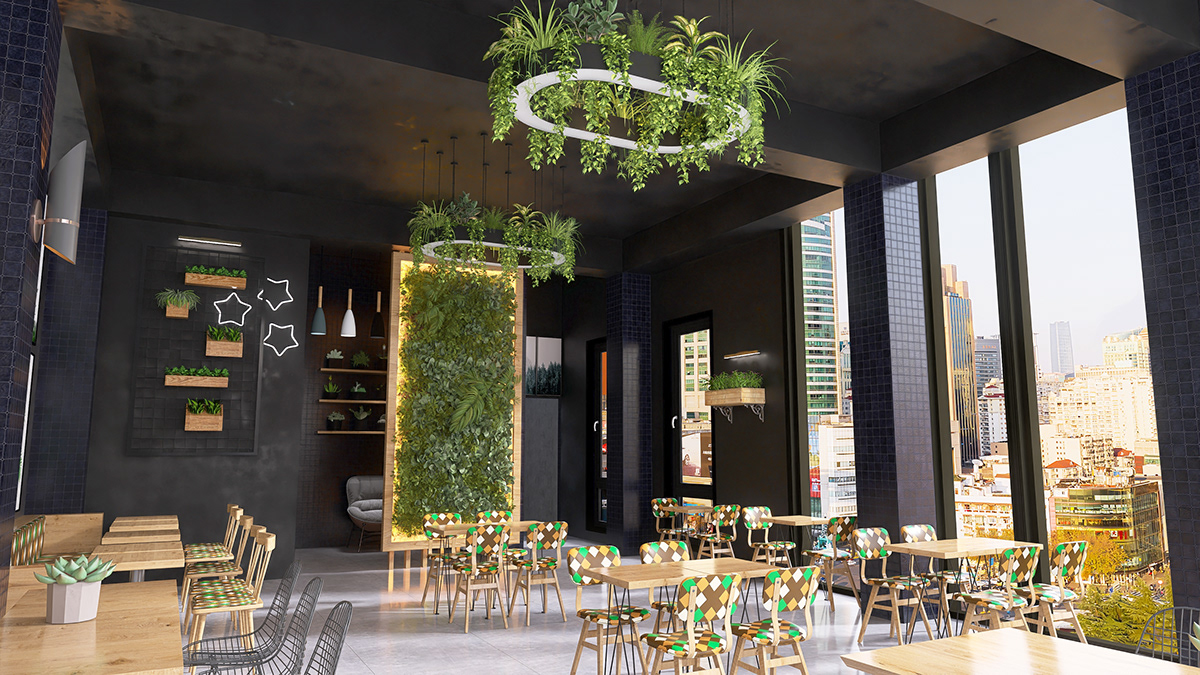
First and foremost, it is important to consider the overall design and theme of the restaurant. Whether you are going for a modern and sleek look or a more traditional and cozy feel, the dining chairs and table should complement the style of the space. For a modern restaurant, you may want to choose chairs with clean lines and a minimalist design, while a more rustic restaurant may benefit from chairs made of wood or other natural materials.
In addition to the design, the material of the dining chairs and table is also an important factor to consider. Some common materials used for dining chairs and table in fast food restaurants include plastic, metal, wood, and upholstery. Plastic chairs are lightweight and easy to clean, making them a practical choice for a high-traffic restaurant. Metal chairs are durable and can add an industrial touch to the space. Wood chairs are classic and timeless, while upholstered chairs can add a touch of luxury and comfort.
Ultimately, the key is to choose dining chairs and table that not only look good but are also comfortable and durable. Customers should be able to sit and enjoy their meal without feeling uncomfortable or rushed. By considering the design and materials of the dining chairs, you can create a welcoming and inviting atmosphere for your fast food restaurant.
Think About Industrial-style Restaurant Design
One popular design style that has gained popularity in recent years is the industrial-style restaurant design. This style is characterized by its use of raw materials, exposed pipes, and an overall rugged and unfinished look.
In the United States, industrial-style restaurant design often incorporates a variety of materials to create a unique and visually appealing space. Some of the most commonly used materials in the in-store decoration of industrial-style fast food restaurants include:
- Reclaimed wood: Reclaimed wood is a popular choice for adding warmth and character to an industrial-style restaurant. It can be used for tables, chairs, bar tops, and accent walls to create a rustic and inviting atmosphere.
- Metal: Metal is another key element in industrial-style restaurant design, often used for chairs, tables, light fixtures, and other decorative accents. Blackened steel, iron, and copper are popular choices for adding an industrial touch to the space.
- Concrete: Concrete floors, countertops, and walls are often used in industrial-style restaurant design to create a modern and minimalistic look. Polished concrete can add a sleek and contemporary feel to the space, while textured concrete can add a more rugged and industrial vibe.
- Exposed pipes and ductwork: Exposed pipes and ductwork are a hallmark of industrial-style design, adding an element of authenticity and rawness to the space. These elements can be incorporated into the overall design of the restaurant to create a cohesive and cohesive look.
What Simple, Beautiful and Economical Decorations can be used to Highlight and Attract the Design of the Restaurant Inside
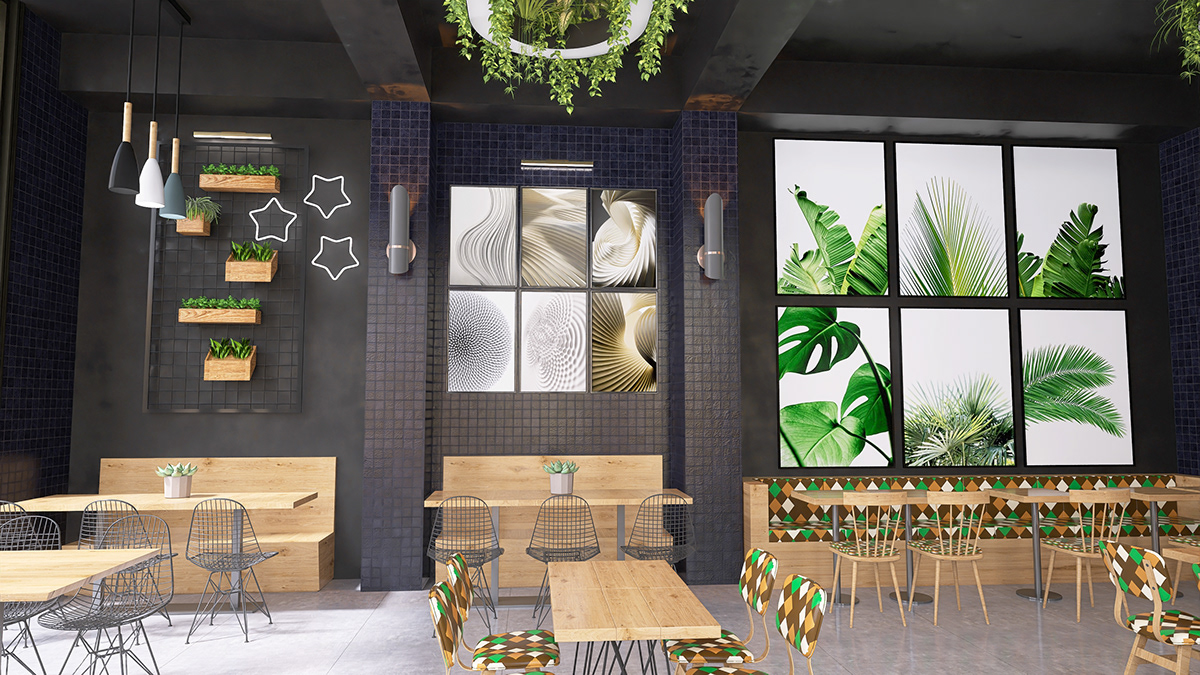
One simple and cost-effective decoration that can make a big impact in a fast food restaurant is the use of vibrant colors. Bright, bold colors can help create a fun and energetic atmosphere that will appeal to customers of all ages. Using colors like red, yellow, and green can evoke a sense of excitement and hunger, while also helping to create a cohesive and visually appealing design.
Another simple and beautiful decoration that can enhance the design of a fast food restaurant is the use of artwork or graphics. Adding wall decals, posters, or even murals can help to personalize the space and create a unique and memorable experience for customers. Artwork that features food-related themes or images can help to reinforce the restaurant's branding and create a cohesive design throughout the space. Additionally, consider incorporating plants or greenery into the design to soften the industrial look and add a pop of color.
In addition to colors and artwork, the use of lighting can also play a significant role in the overall design of a fast food restaurant. Lighting can help to create a warm and inviting atmosphere, while also highlighting key areas of the restaurant, such as the menu board or seating areas. Using pendant lights, track lighting, or even string lights can help to add a touch of elegance and charm to the space without breaking the bank.
Consider Choosing a Location with an Open-air Balcony for Your Restaurant
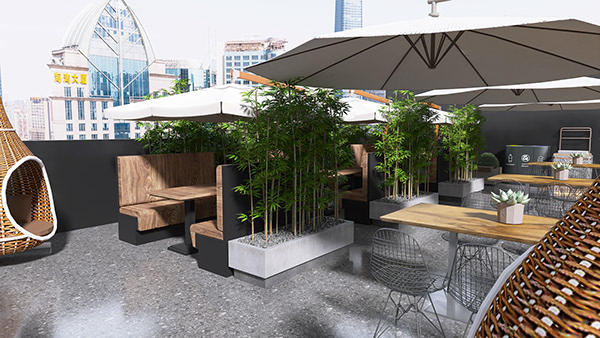
When designing an open-air balcony for a fast food restaurant, it is important to ensure that it complements the overall design of the space. The balcony should be seamlessly integrated with the interior of the restaurant, creating a cohesive and inviting atmosphere for customers. Additionally, the layout of the balcony should be carefully planned to maximize seating options and provide customers with a comfortable and enjoyable dining experience.
Incorporating an open-air balcony into the design of a fast food restaurant can help create a unique and inviting space for customers. By carefully considering the location, layout, and design of the restaurant, restaurant owners can create a successful and appealing dining experience for their customers. Ultimately, choosing to include an open-air balcony in a fast food restaurant can help set the establishment apart from its competitors and attract a wider range of customers.