Luxury stores are the embodiment of brand spirit, and their design should follow the three principles of "five-sense immersion, identity recognition, and ritual creation". They are not just places for sales but also builders of brand universes. Through spatial narration, customers enter a meticulously orchestrated "brand theater" from the very first step they take inside the store.
1.Store Layout
The layout of a luxury store is the foundation of its design, directly affecting customer flow and shopping experience.
Entrance Design:
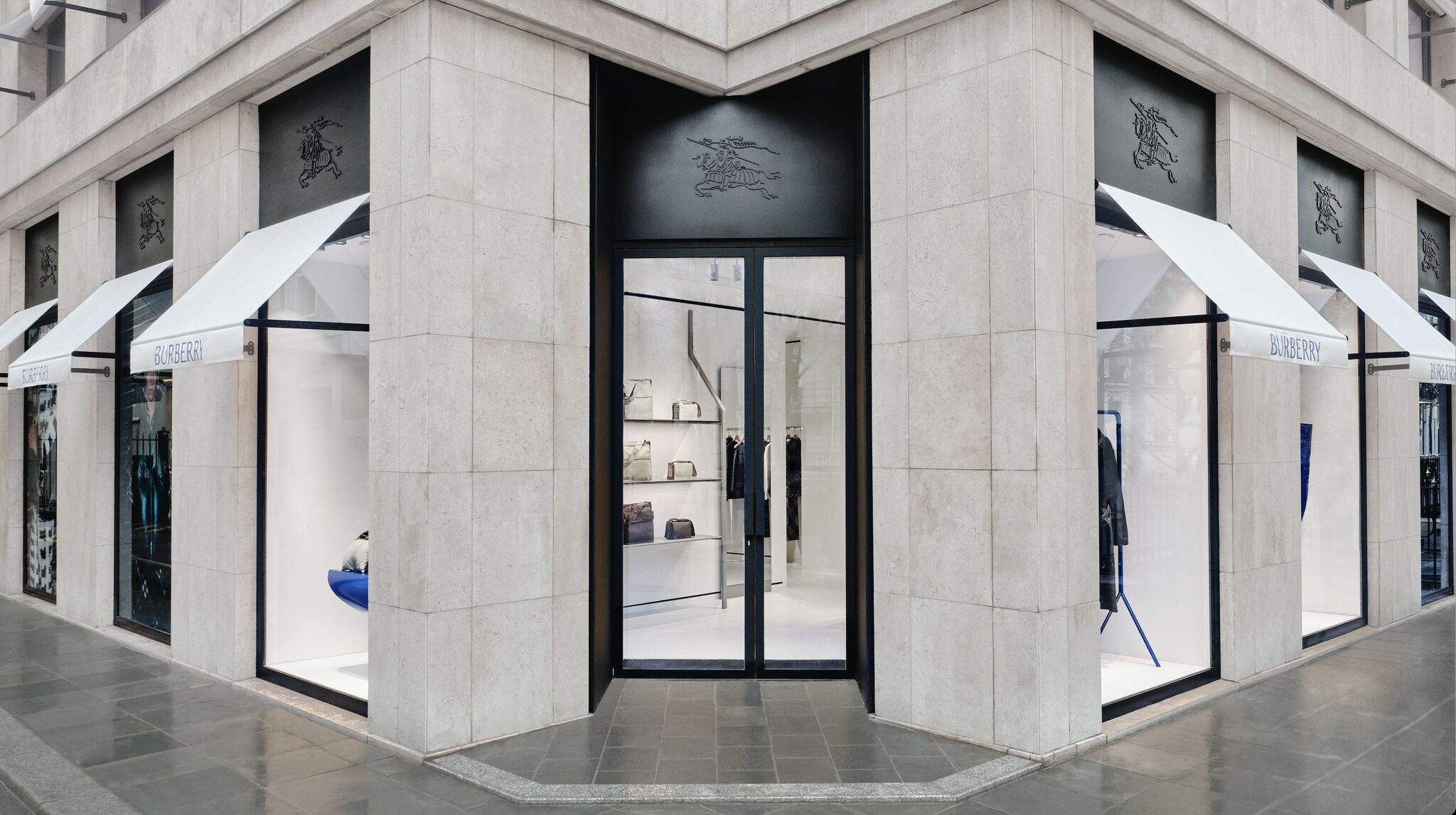
The entrance should be spacious and bright to attract customers. Burberry's stores typically feature large glass facades combined with the brand's iconic patterns or colors. The brand logo is often embossed above the exterior glass to enhance brand recognition and exude sophistication. Additionally, a small display area can be set up at the entrance to showcase the latest or most classic products, capturing customers' attention.
Traffic Flow Planning:
The traffic flow should be clear and smooth, guiding customers to naturally explore different areas of the store. Luxury stores often adopt circular or radial layouts to avoid dead ends, ensuring that customers can see all the products as they walk around. The design should also consider customer shopping habits and psychological needs, using clever layout and display techniques to increase dwell time and purchasing desire.
Functional Zoning:
Different functional areas, such as clothing, accessories, and footwear sections, should be clearly distinguished. Each area should have its own display racks and cabinets to highlight the unique features of the products.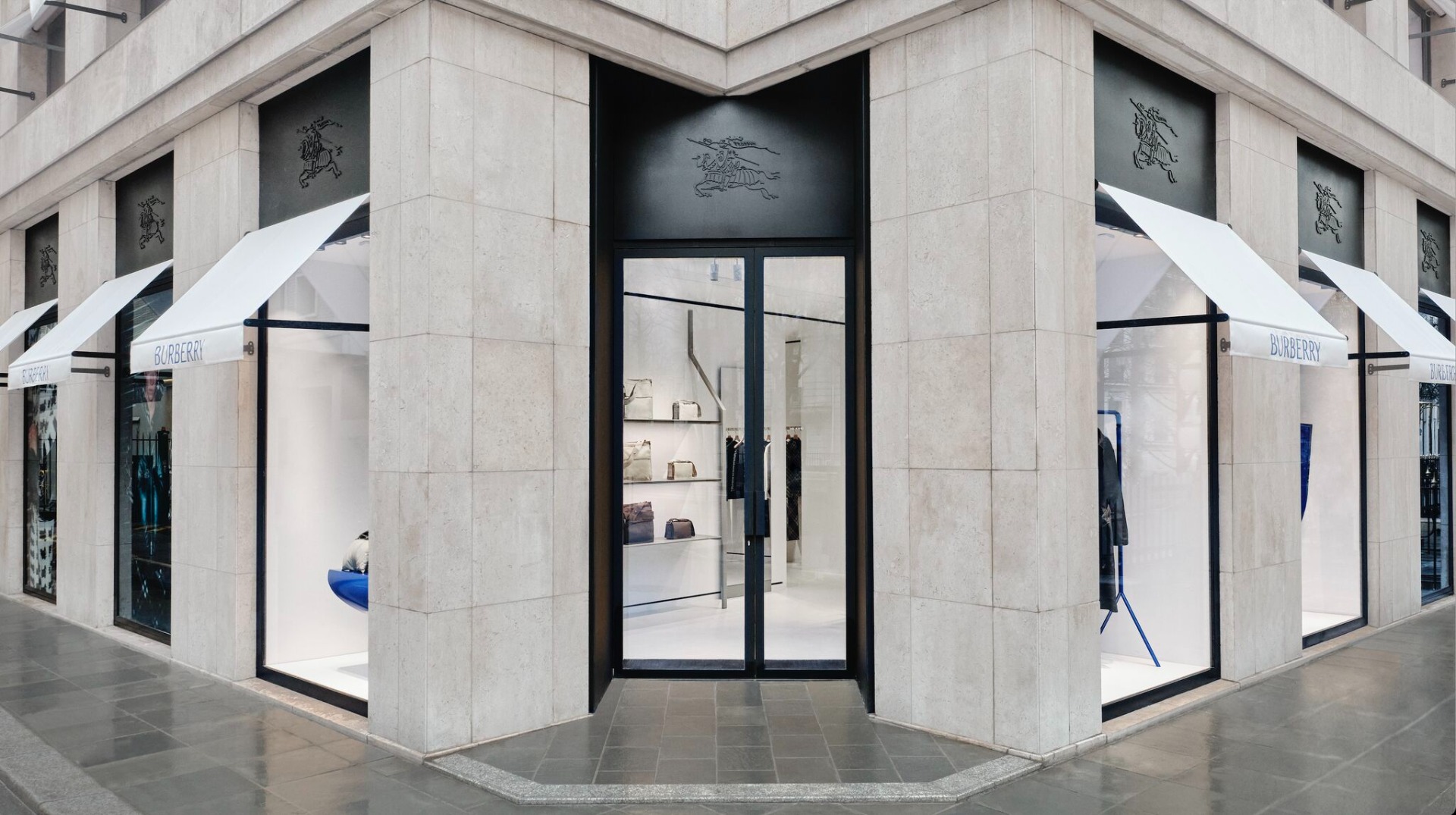
2.Display
Display is a key element in attracting customers in luxury stores. It requires meticulous design to highlight the uniqueness and value of the products.
Highlighting Brand Culture:
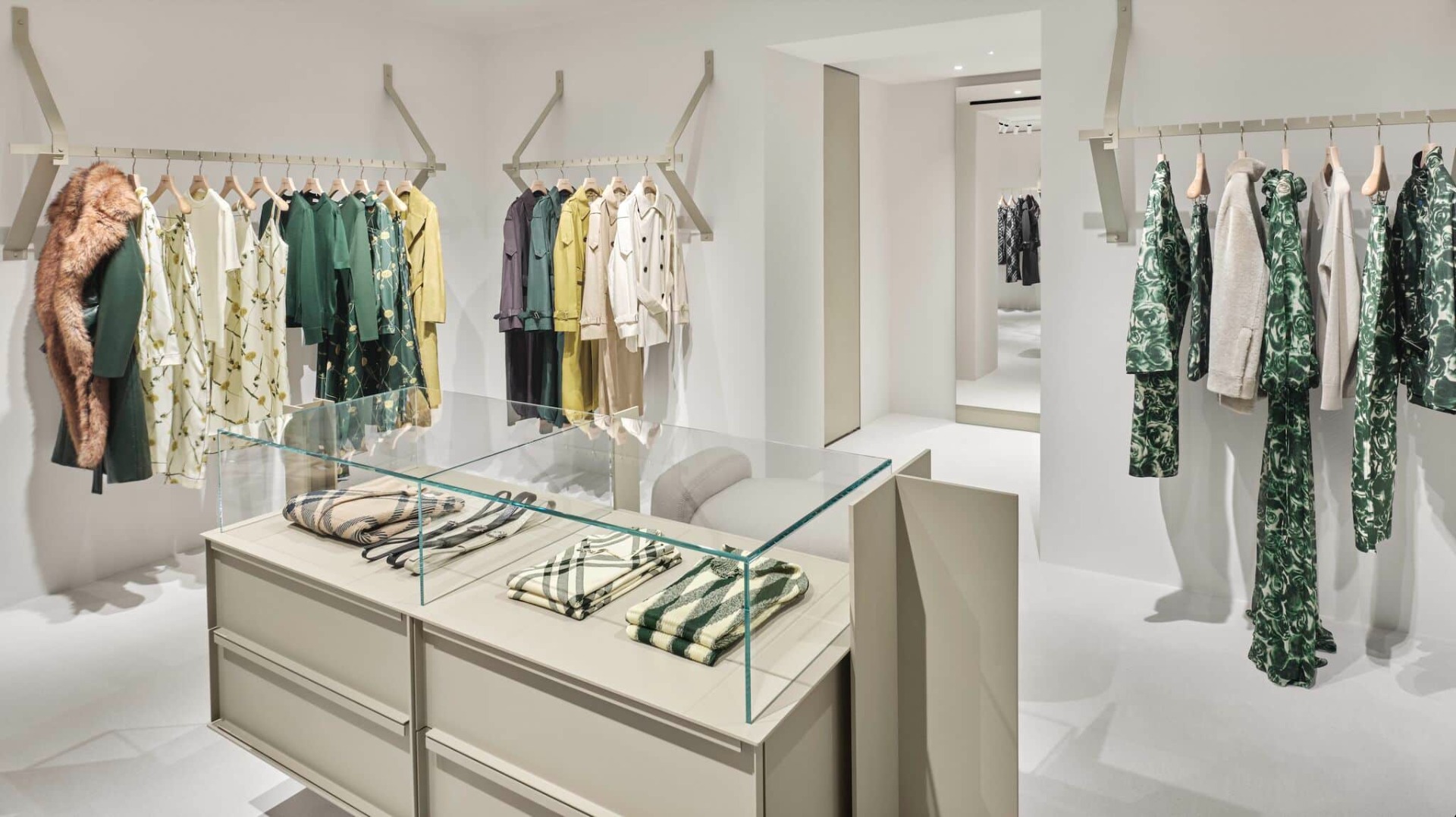
Displays must revolve around the brand's culture. Burberry, known for its classic designs and rich history, often incorporates iconic elements such as check patterns and trench coats into its displays.
Display Quantity and Value:
The quantity of products displayed in luxury stores should be relatively limited to emphasize the high value and uniqueness of each item. In a Burberry store, a display rack may feature only a few carefully selected items, creating an atmosphere of "less is more."
Regular Display Updates:
Luxury stores should regularly update their displays to maintain freshness and appeal. Adjustments can be made based on seasons, holidays, or new product launches to prevent customer visual fatigue.
3.Decoration
Decoration is an important means of creating an atmosphere in luxury stores, and it must be coordinated with the brand's style and product characteristics.
Material Selection:
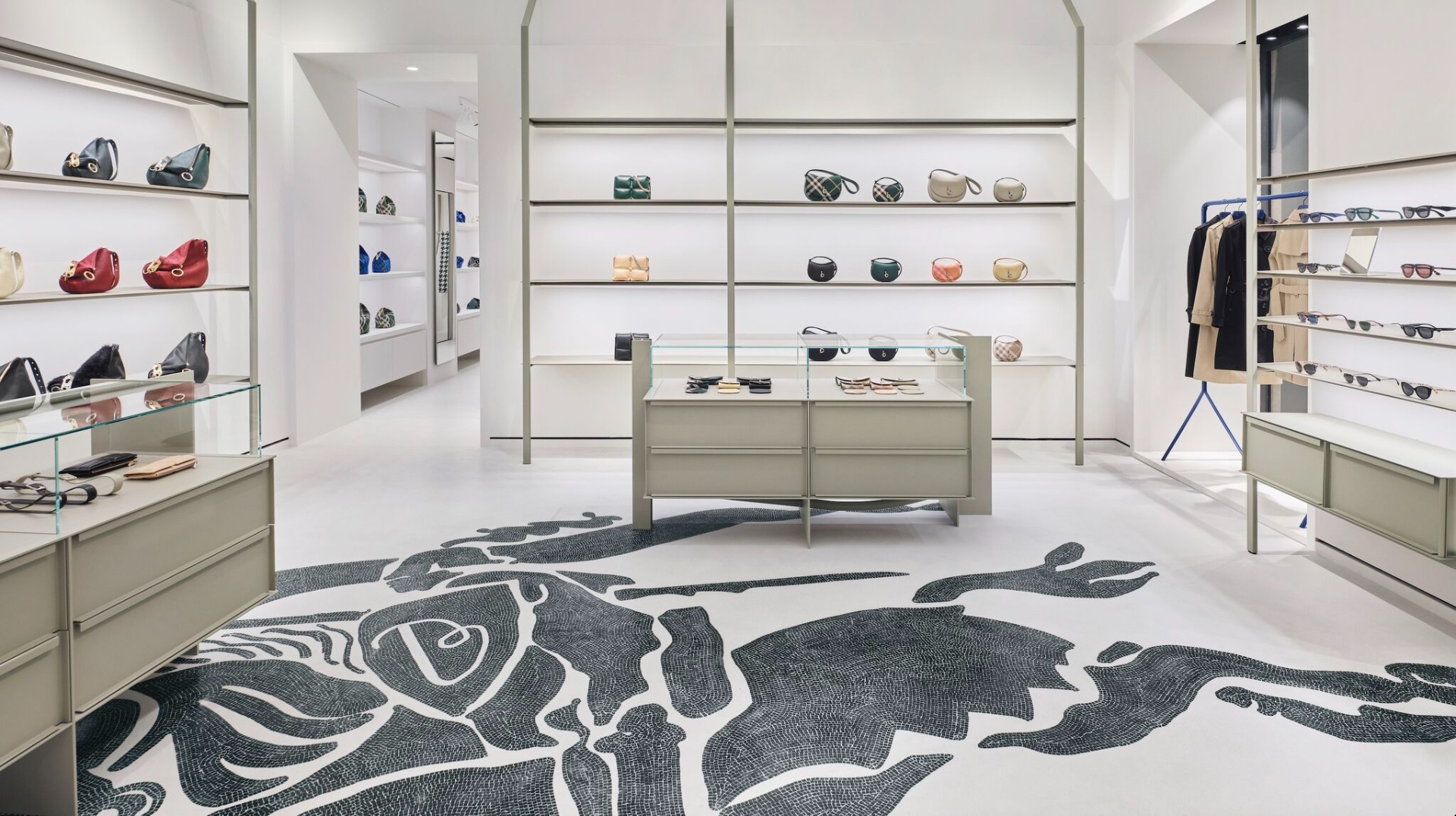
The decoration materials in luxury stores should reflect high-end quality. Burberry's stores often use materials such as wood, marble, and metal to create a warm and luxurious atmosphere. For example, the floors may be made of marble, while the walls are painted in a minimalist white, accented with metal decorative lines.
Lighting Design:
Lighting is key to creating an atmosphere. Burberry stores typically use multi-layered lighting designs, including general lighting, accent lighting, and decorative lighting. General lighting provides a uniform background light, accent lighting highlights products with spotlights, and decorative lighting creates a cozy ambiance with chandeliers or wall lamps.
4.Design Style
The design style is an important way for luxury stores to convey brand values, and it must match the brand's image and the tastes of target customers.
Combining Classic and Modern Elements:
The design style of luxury stores should reflect the brand's classic elements while incorporating modern design concepts. Typically, this involves retaining iconic elements such as check patterns and trench coats while adding modern architectural lines and spatial layouts. For example, the exterior of the store may feature a modern geometric shape, complemented by classic art pattern carpets.
Sense of Space and Comfort:
The design of luxury stores should focus on creating a sense of space and comfort. High ceilings are often used to create a bright and spacious shopping environment.
5.Materials
Materials are an important aspect of reflecting high-end quality in luxury stores, and they must be coordinated with the brand image and decorative style.
High-Quality Materials:
The materials used in luxury stores should reflect high quality and durability. Woods, marbles, and metals are commonly used, not only for their aesthetic appeal but also for their excellent texture. For example, display cabinets can be made of transparent glass, combined with wooden or metal frames, which are both beautiful and functional.
Environmental Sustainability:
In modern luxury store design, environmental sustainability is increasingly important. Eco-friendly materials can be used in store design to minimize environmental impact.
In exploring the luxurious corners of a city, a luxury store is undoubtedly a treasure that leaves visitors lingering. It gathers the finest fashion and art from around the world and offers an extraordinary journey for every customer who steps inside through its exquisite displays, thoughtful services, and unique shopping experiences.