Designing an electronic shop requires careful planning and consideration. The layout of an electronic shop can make or break the shopping experience of the customers. A well-designed layout can create a welcoming environment, increase sales, and build customer loyalty. In this article, we will guide you through the process of designing an electronic shop inside layout. We will cover the importance of layout design, researching successful shops, drafting your plan, choosing the right interior elements, and creating a memorable shopping experience.
 Step 1: Understanding the Importance of Layout Design
The layout of an electronic shop plays a crucial role in creating a positive shopping experience. The layout should be designed in a way that makes it easy for customers to navigate and find what they are looking for. A well-designed layout can also increase the chances of customers making impulse purchases. The layout should be visually appealing, organized, and easy to understand. The design should take into consideration the target audience, the type of products being sold, and the available space.
 Step 2: Research and Analysis of Successful Shops
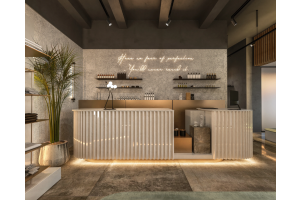
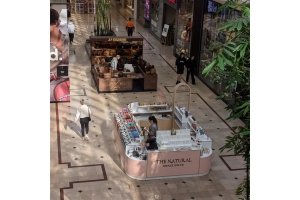
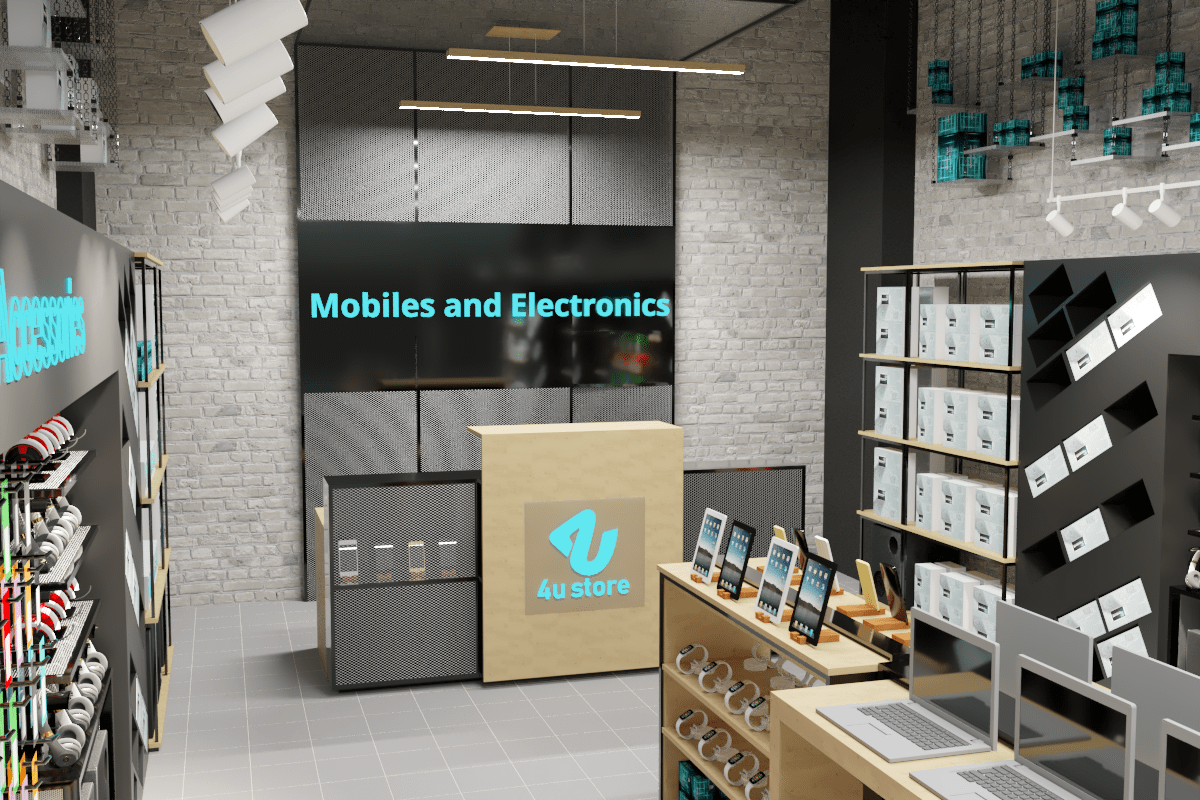
Researching and analyzing successful electronic shops is an important step toward designing your layout. It is essential to look at the layout of successful shops and understand how they have designed their space to create a positive shopping experience. Observe the placement of products, the use of colors, lighting, and signage. Analyze how they have organized the store, the flow of traffic, and the use of technology. By analyzing successful stores, you can get ideas and inspiration for designing your layout.
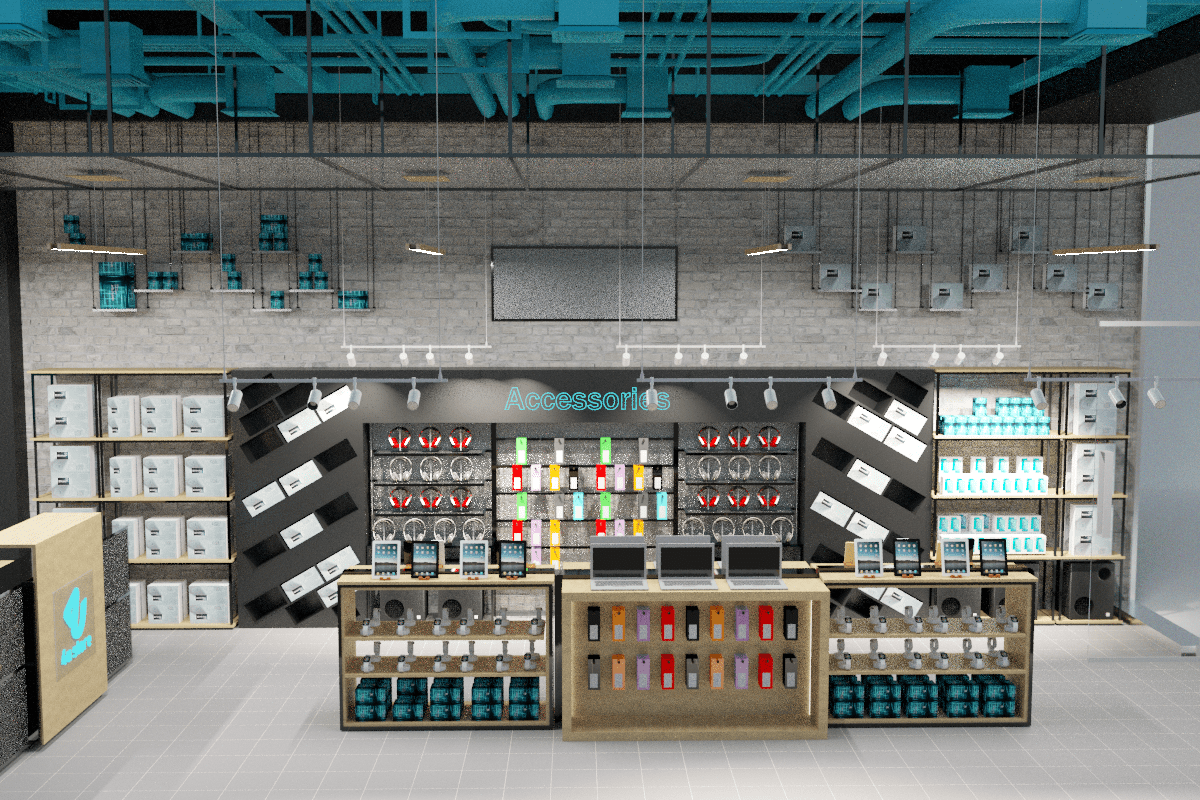 If you want to find the style you want, you will want to browse the design of related electronic product stores for highlights. ANT DISPLAY website has a lot of mobile phone shop designs for your reference, welcome to consult online.
Step 3: Drafting Your Layout Plan
After researching and analyzing successful shops, it's time to start drafting your layout plan. Start by sketching out the overall layout of the store. Consider the placement of the entrance, the location of the checkout counter, and the placement of the products. Use the information gathered from your research to make informed decisions about the layout. Keep in mind the flow of traffic, the target audience, and the available space. Once you have a rough draft, make adjustments and refine the plan.
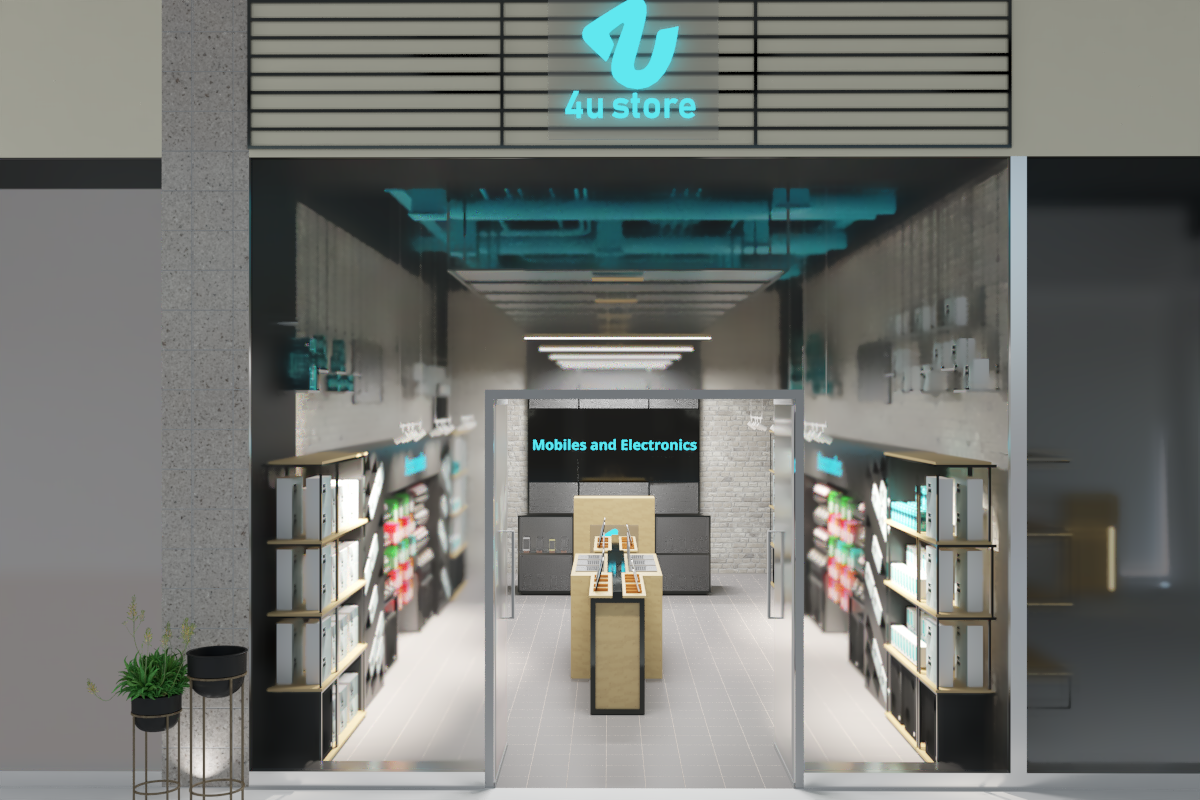
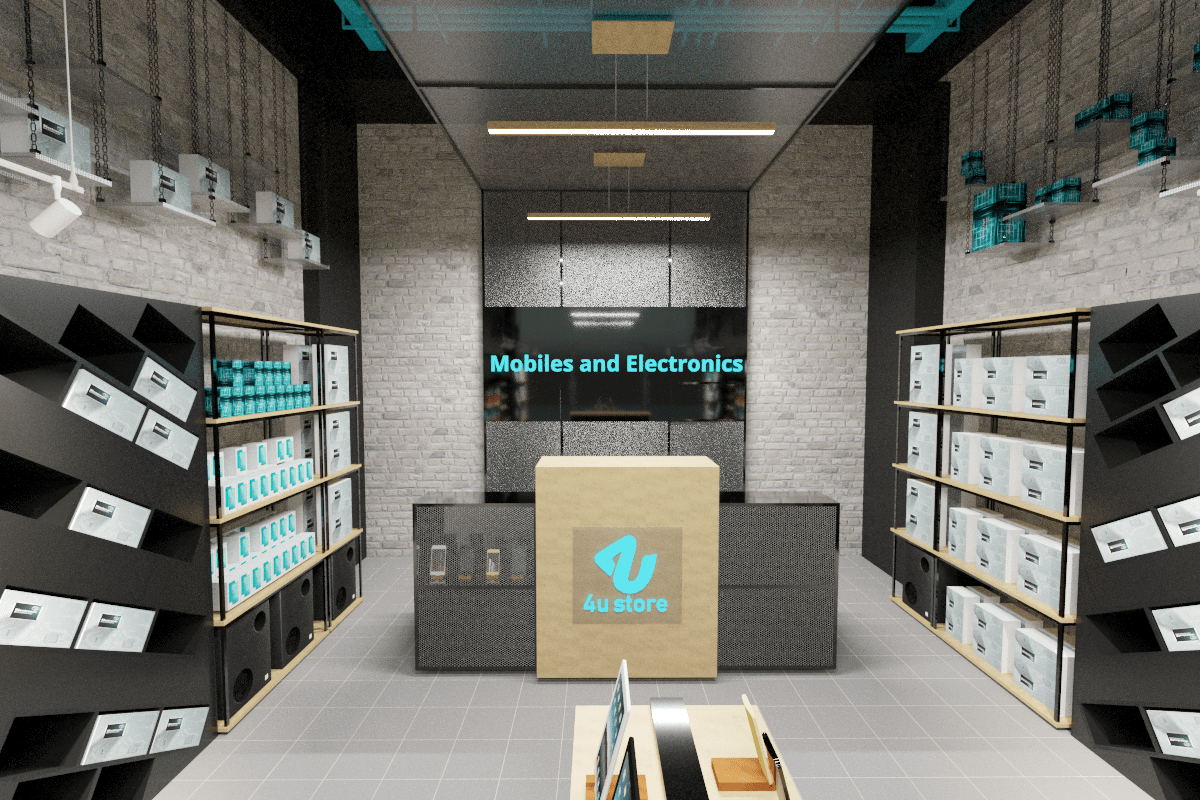
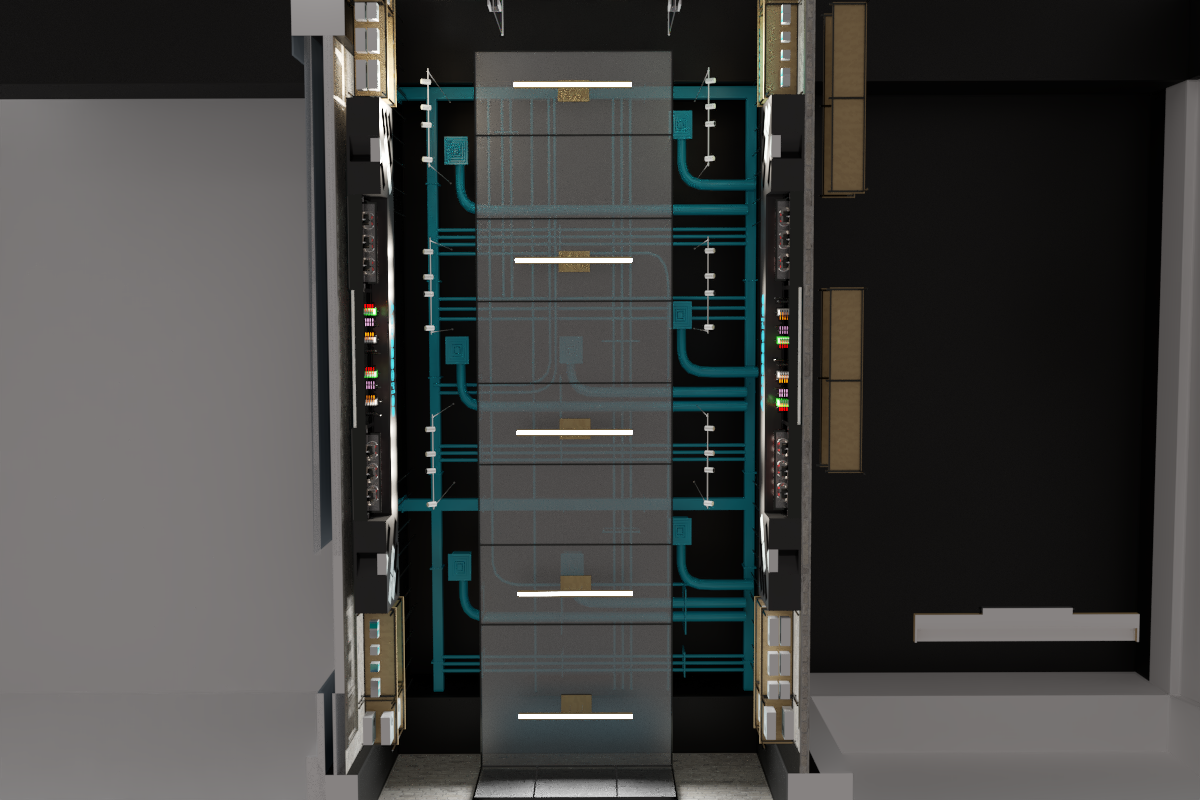 This step is the process of turning your idea into reality, which can be realized through 3D design. We will build a model according to your needs and ideas, and then render it into HD 3D design pictures so that you can observe the interior layout and effect. After reading the first design, we quickly thought about more details of our store.
Step 4: Choosing the Right Interior Elements
Choosing the right interior elements is an important step in creating a memorable shopping experience. Consider the color scheme, lighting, signage, and decorations. The color scheme should be consistent with the branding of the store. The lighting should be bright enough to showcase the products but not so bright that it creates an unpleasant environment. Signage should be clear and easy to read. Decorations should be minimal but add to the overall ambiance of the store.
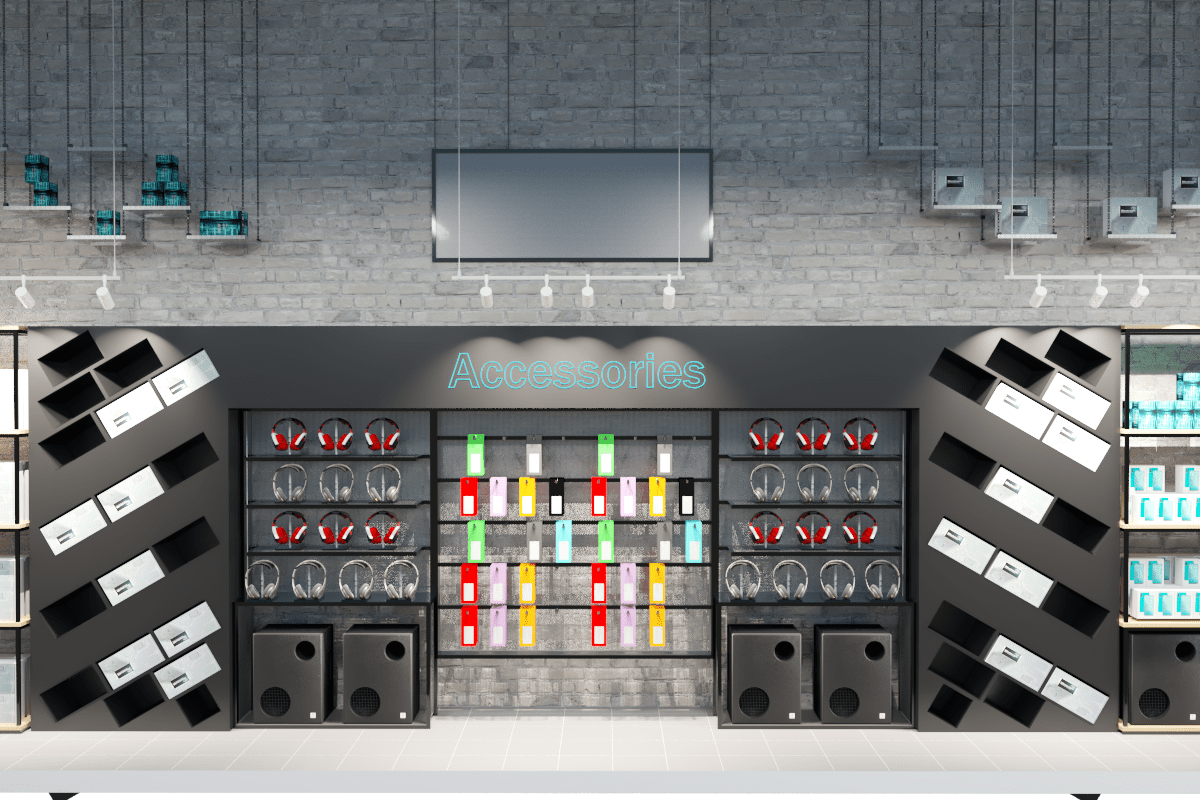 The most important part is choosing appropriate display furniture, display tables for electronics, wall cabinets, and showcases for hanging various accessories, etc.
Conclusion: Creating a Memorable Shopping Experience
Designing an electronic shop's inside layout requires careful planning and consideration. By understanding the importance of layout design, researching and analyzing successful shops, drafting your layout plan, and choosing the right interior elements, you can create a memorable shopping experience that will keep customers coming back. A well-designed layout can increase sales, build customer loyalty, and create a positive brand image. Take the time to design a layout that reflects your brand and provides a seamless and enjoyable shopping experience.