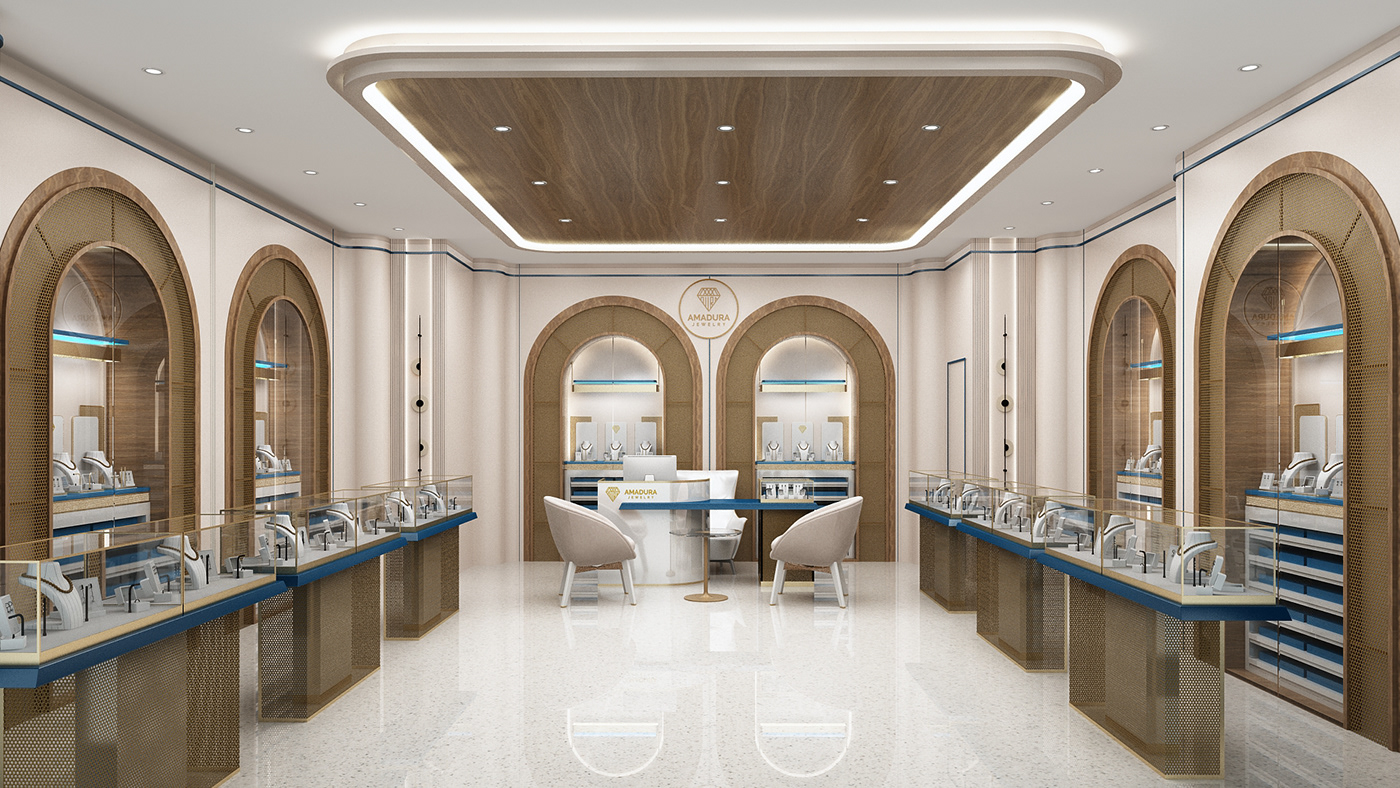
The world of jewelry is one filled with elegance, sophistication, and beauty. It is a world where precious gemstones and metals come together to create stunning pieces that captivate the imagination. For those looking to showcase their collection of exquisite jewelry in a space that exudes class and luxury, designing a classical jewelry store is the perfect choice. In this essay, we will explore the various elements that go into designing a classical jewelry store, from the design concept to the materials used for displays, to the interior decor, lighting, and layout.
Design Concept
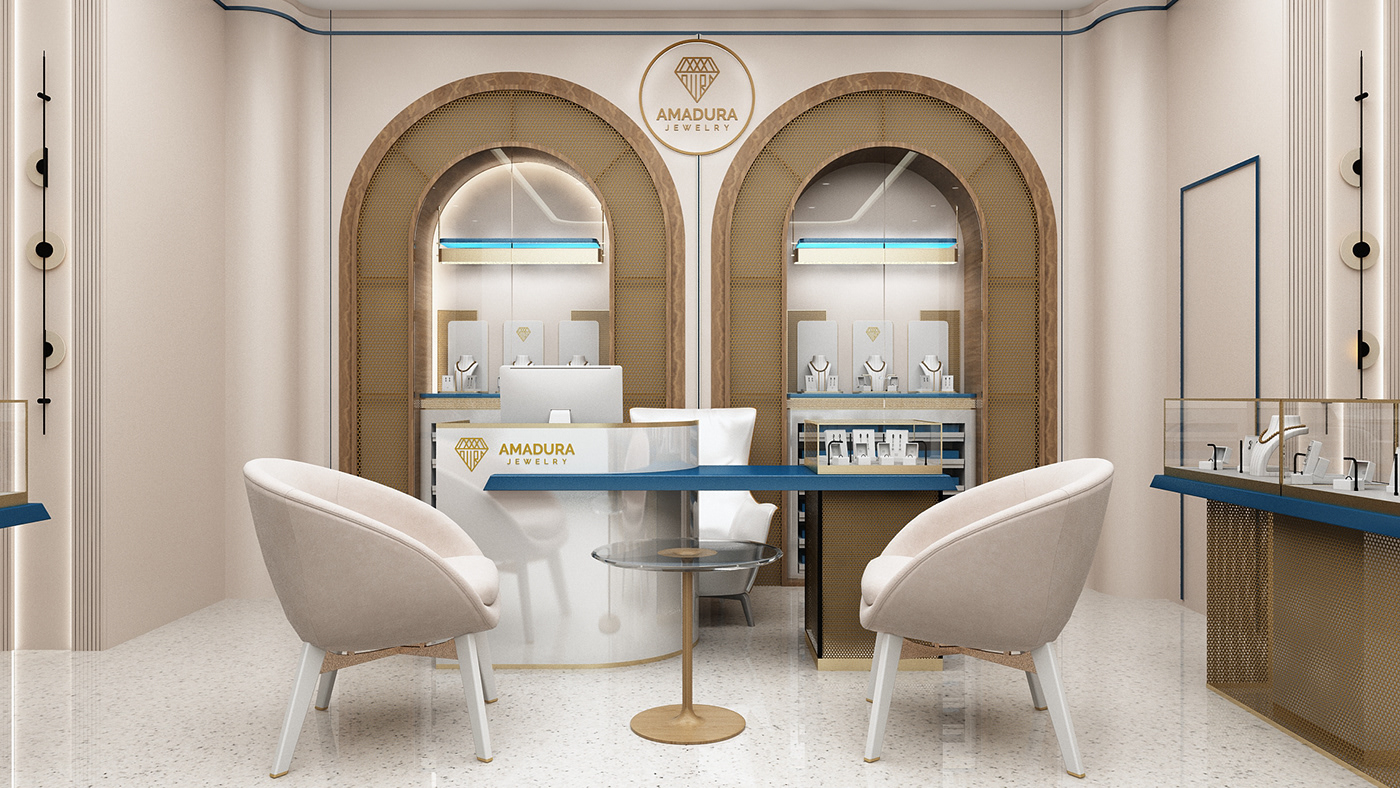
When designing a classical jewelry store, it is important to establish a design concept that reflects the elegance and sophistication of the jewelry being showcased. A classical design concept typically involves the use of rich, luxurious materials such as marble, wood, and brass, as well as ornate detailing and intricate architectural elements. The overall look should be timeless and sophisticated, creating a sense of opulence and luxury.
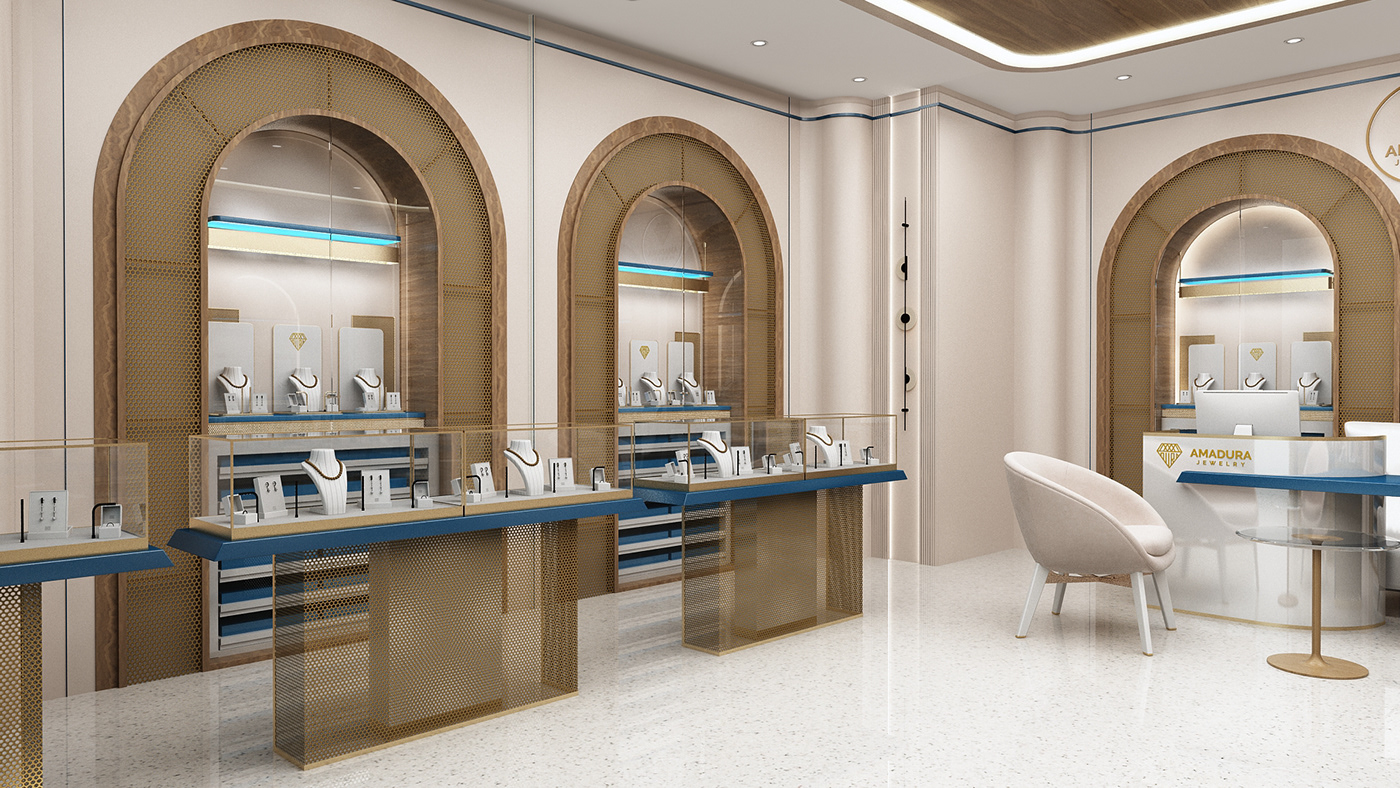
Golden perforated plate material is not only visually striking but also durable and versatile, making it ideal for creating a luxurious and enduring design aesthetic. Its reflective surface adds a touch of glamour to the space, while its perforated design allows light to filter through, creating a warm and inviting ambiance that is perfect for showcasing the brilliance of classical jewelry.
Materials for Displays
In a classical jewelry store, the displays play a crucial role in showcasing the pieces in the most flattering way possible. When choosing materials for displays, it is important to opt for materials that complement the jewelry and enhance its beauty. For a classical jewelry store, materials such as velvet, silk, and suede are often used to line display cases, providing a soft and luxurious backdrop for the jewelry. Additionally, materials such as glass, brass, and wood are commonly used for display cases and stands, adding a touch of elegance and sophistication to the space.
Interior Decor
The interior decor of a classical jewelry store should be designed to create a sense of luxury and sophistication. Soft, plush carpets, ornate chandeliers, and richly upholstered furniture can all help to create a sense of opulence and grandeur. Additionally, the use of decorative elements such as antique mirrors, intricate wall moldings, and gilded accents can further enhance the classical aesthetic of the space. Overall, the interior decor should be elegant and refined, creating a space that feels both luxurious and welcoming to customers.
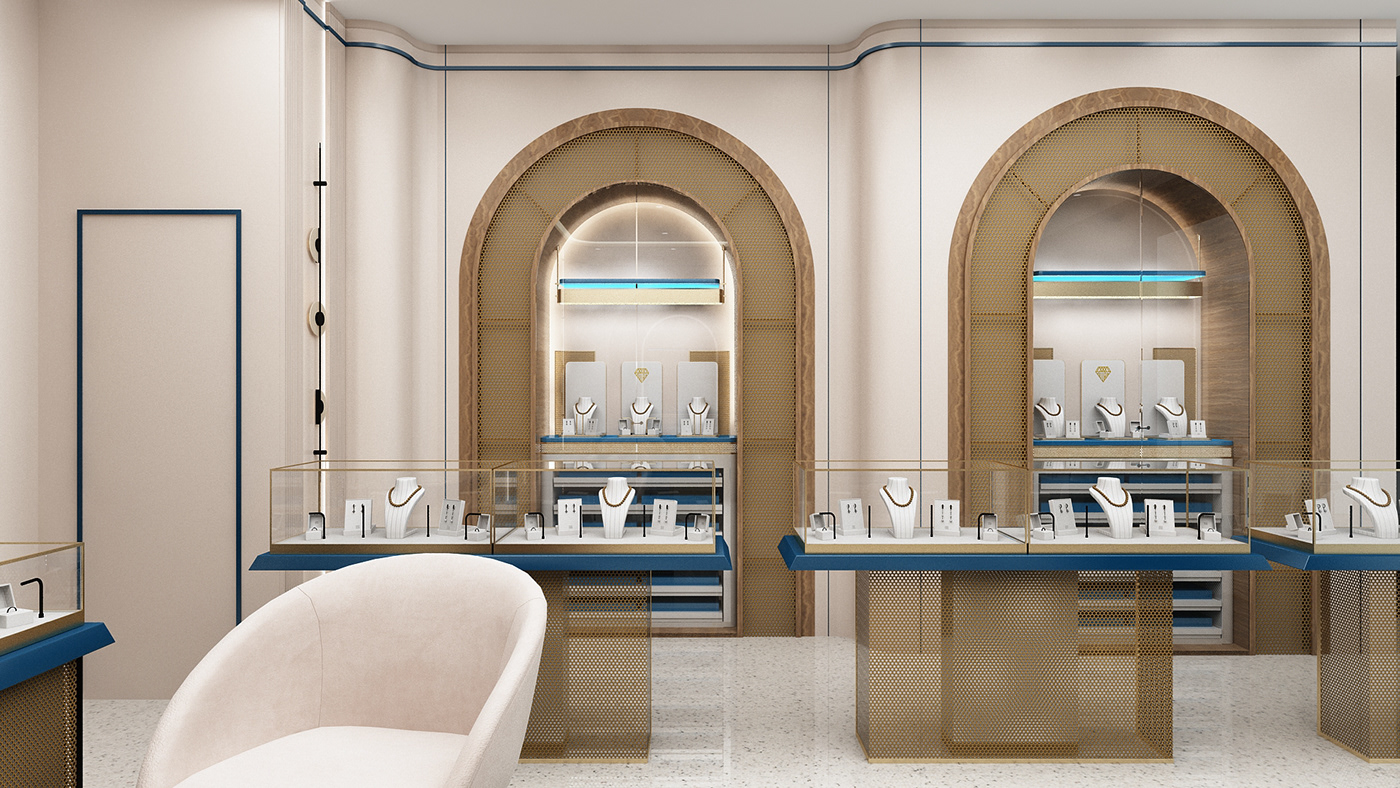
Lighting plays a crucial role in any retail space, but it is especially important in a jewelry store where the goal is to showcase the beauty of the pieces on display. In a classical jewelry store, lighting should be soft and flattering, highlighting the sparkle and brilliance of the jewelry without overwhelming it. Chandeliers, sconces, and spotlights can all be used to create a warm and inviting atmosphere, while also drawing attention to specific pieces or displays. Additionally, natural light can be incorporated into the design through the use of skylights or large windows, adding a sense of freshness and vitality to the space.
Layout
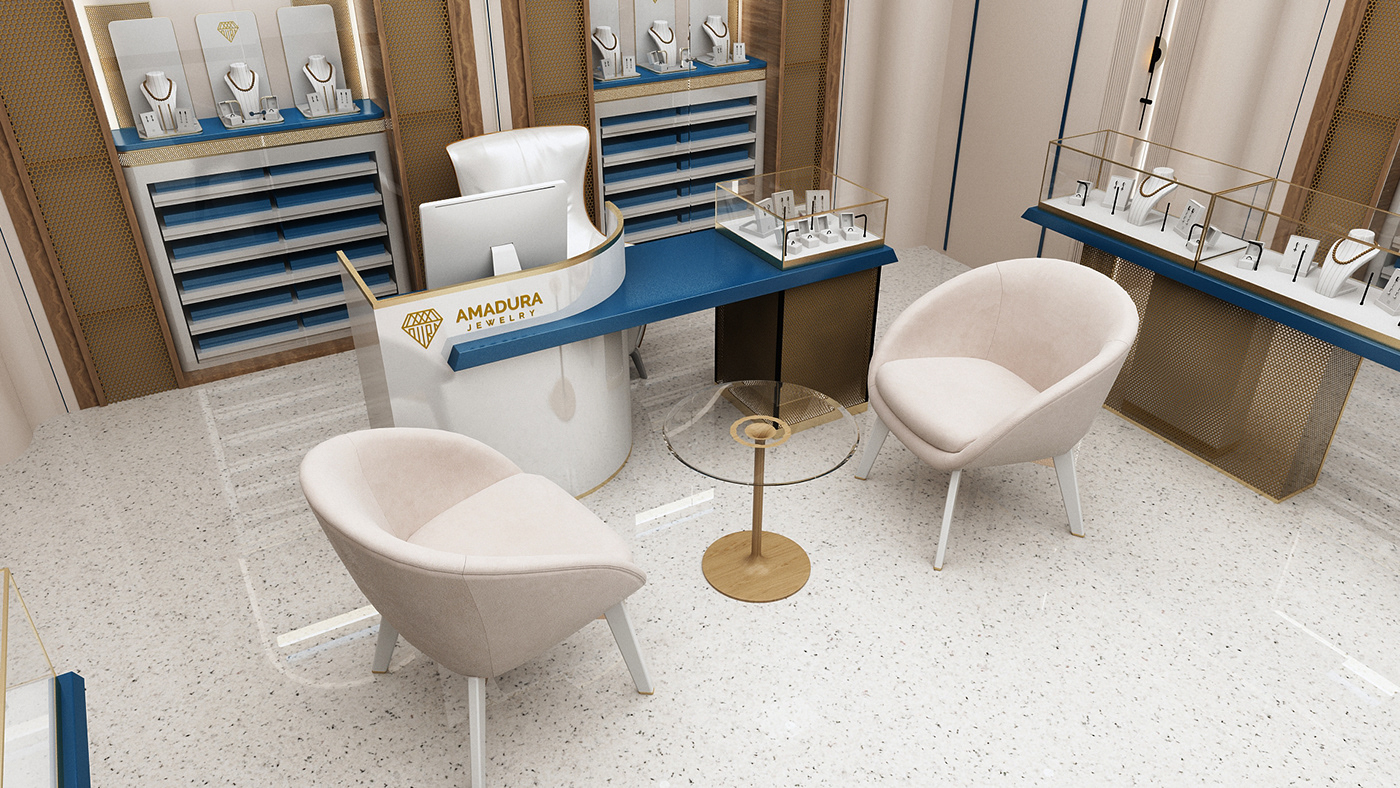
The layout of a classical jewelry store should be designed to create a sense of flow and harmony, guiding customers through the space in a logical and intuitive way. Display cases should be strategically placed to draw customers in and encourage exploration, while also allowing for easy browsing and viewing of the jewelry. Additionally, seating areas can be incorporated into the layout to provide customers with a comfortable place to relax and try on pieces. Overall, the layout should be designed to create a sense of elegance and sophistication, while also facilitating a seamless shopping experience for customers.