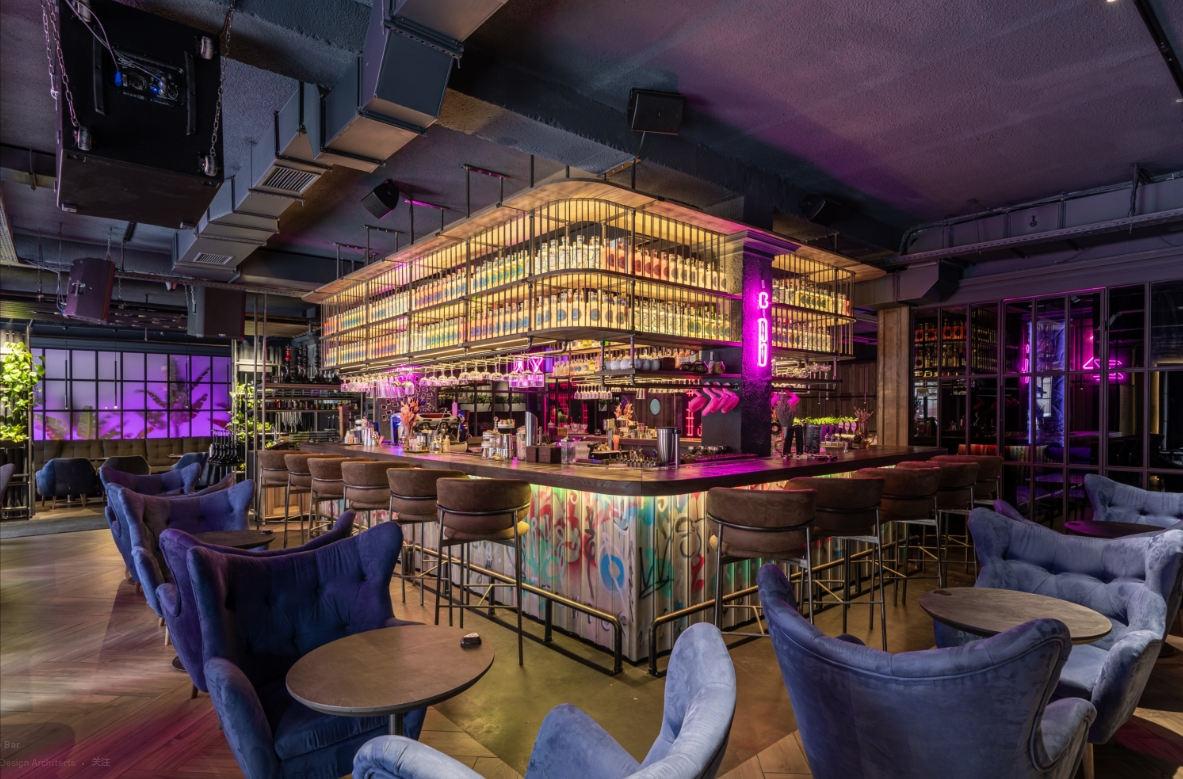
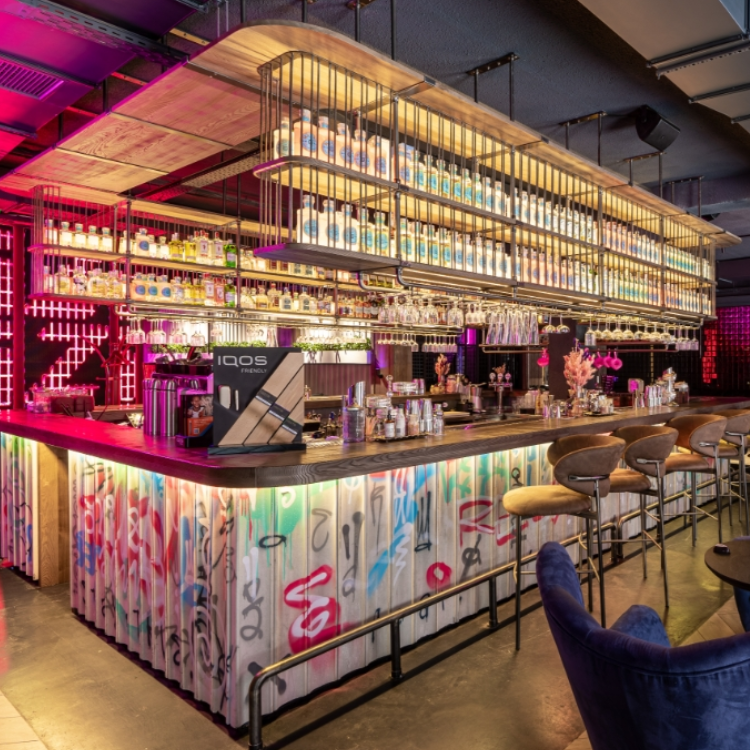
The bar counter is more than just a functional space in a restaurant—it’s the heartbeat of the dining experience. As the focal point where cocktails are crafted, conversations flow, and ambiance comes alive, a well-designed bar counter can elevate your establishment from ordinary to unforgettable. For restaurant owners and designers, creating a bar that captivates guests requires a blend of creativity, practicality, and an understanding of modern design trends.Here are four essential tips to help you design an eye - catching bar counter that will set your restaurant apart.
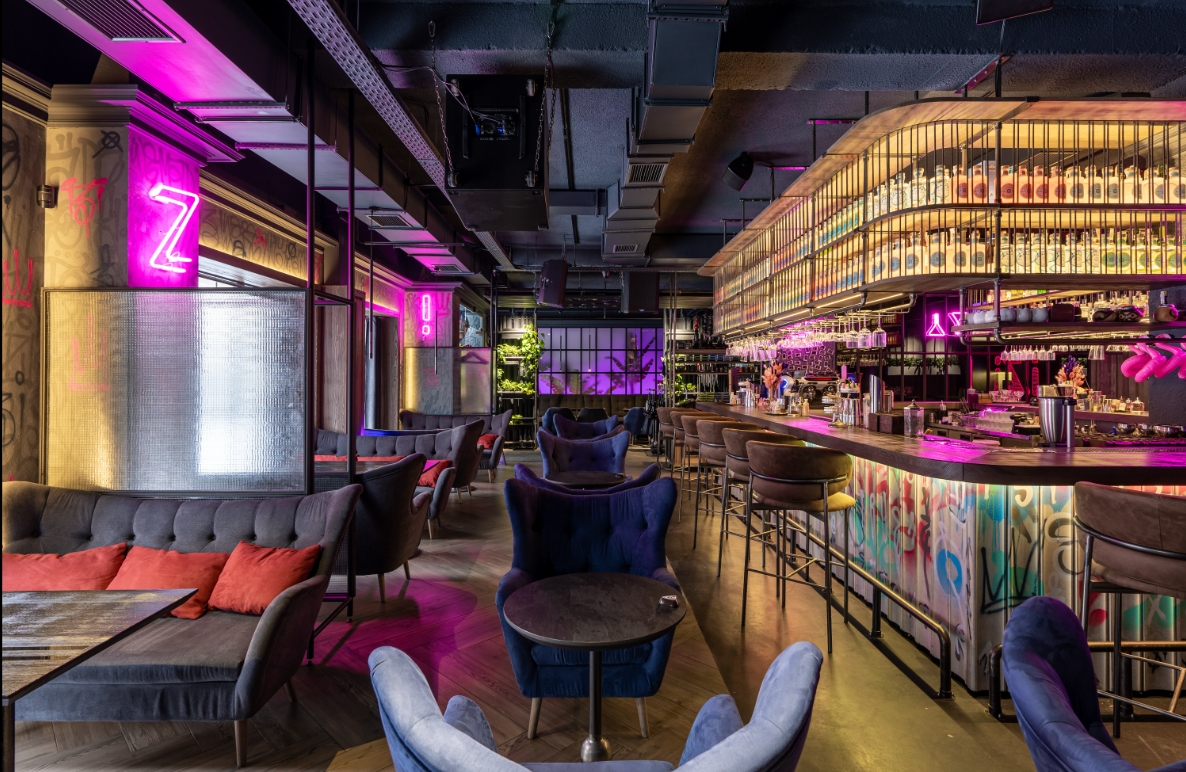
1. Start with a Statement-Making Bar Counter
The bar counter itself is the foundation of your design. Its shape, material, and finish set the tone for the entire space.
Choose Materials That Tell a Story
A bar counter’s material should reflect your restaurant’s brand. For upscale venues, polished marble or quartz surfaces exude luxury. Industrial-themed spaces thrive with reclaimed wood or distressed metal countertops. For a coastal vibe, consider light-toned concrete with embedded seashells. At Antdisplay, we offer customizable countertops in materials ranging from sustainable hardwoods to sleek composites, ensuring your bar aligns with your vision.
Play with Shape and Height
Break away from traditional straight-line designs. Curved or zigzag counters create visual intrigue and improve guest interaction. Adjustable height counters (e.g., standing-height for casual pubs, lower counters for lounges) enhance comfort. Include a raised "bartender zone" with integrated storage to keep tools organized yet accessible.
Integrate Branding Subtly
Embed your logo into the counter’s edge, use branded color accents in the finish, or carve subtle patterns that echo your restaurant’s theme. These details reinforce brand identity without overwhelming guests.
Choose the Right Colors
When choosing colors, think about the overall theme and atmosphere of your restaurant. Neutral colors like black, white, and gray are versatile and can work well with a variety of design styles. They provide a clean and timeless look. If you want to add a pop of color, consider using bold hues like red, blue, or green. These colors can make the bar counter stand out and create a more vibrant and energetic environment. Just be sure to balance the use of color so that it doesn't overwhelm the space. For example, you could have a brightly colored bar top with neutral - colored base cabinets.
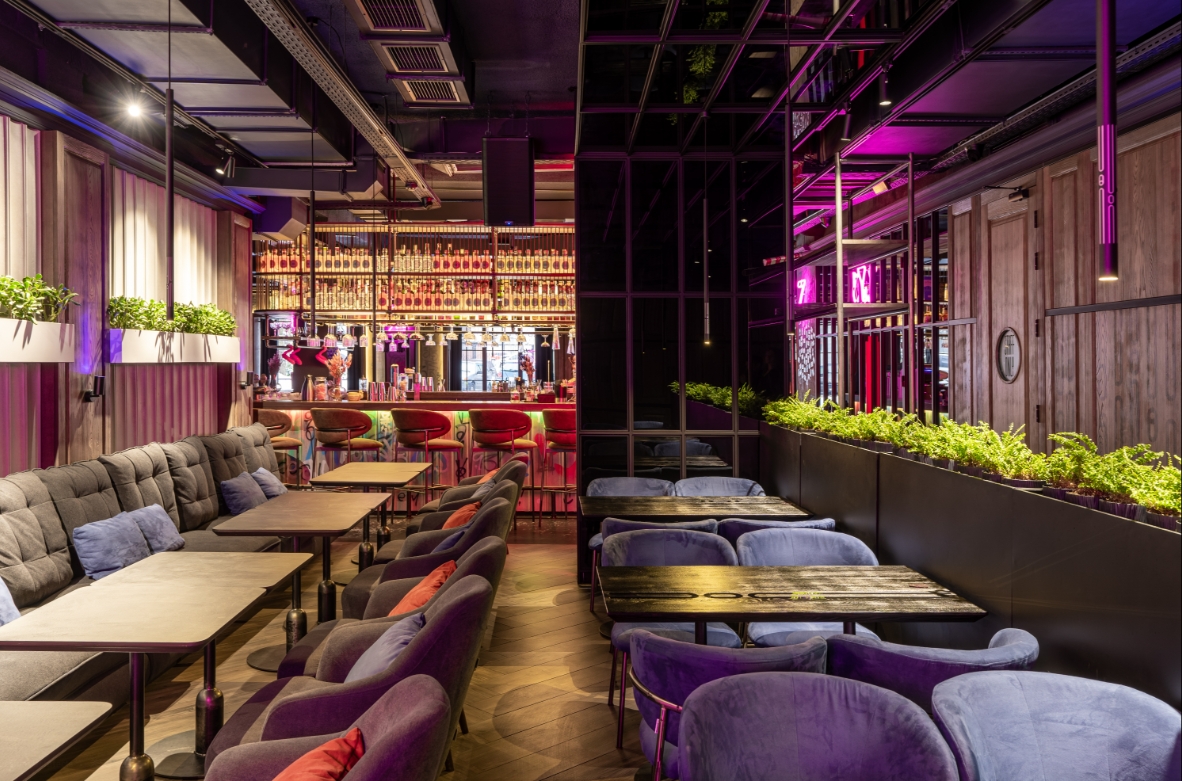
2. Showcase with Smart Display Cabinetry
Display cabinets aren’t just storage—they’re opportunities to dazzle. A well-lit, thoughtfully arranged display turns bottles, glassware, and decor into art.
Open Shelving vs. Glass Cabinets
Open shelving creates an airy, approachable feel, perfect for rustic or minimalist designs. Glass-front cabinets add sophistication while protecting delicate items. For a hybrid approach, use open shelves for frequently used items and backlit glass cabinets to highlight premium spirits.
Lighting That Highlights Your Collection
Incorporate LED strip lighting inside cabinets to illuminate bottles from below or behind. Adjustable puck lights can spotlight specific items, like vintage wines or signature cocktail ingredients. Warm white lighting (2700K–3000K) enhances wood tones, while cool white (4000K) makes glassware sparkle.
Functional Design Meets Aesthetics
Design cabinets with angled shelves to display bottle labels clearly. Include sliding trays for easy access to backstock. For a modern twist, use floating shelves with hidden brackets or cabinets with geometric metal frames.
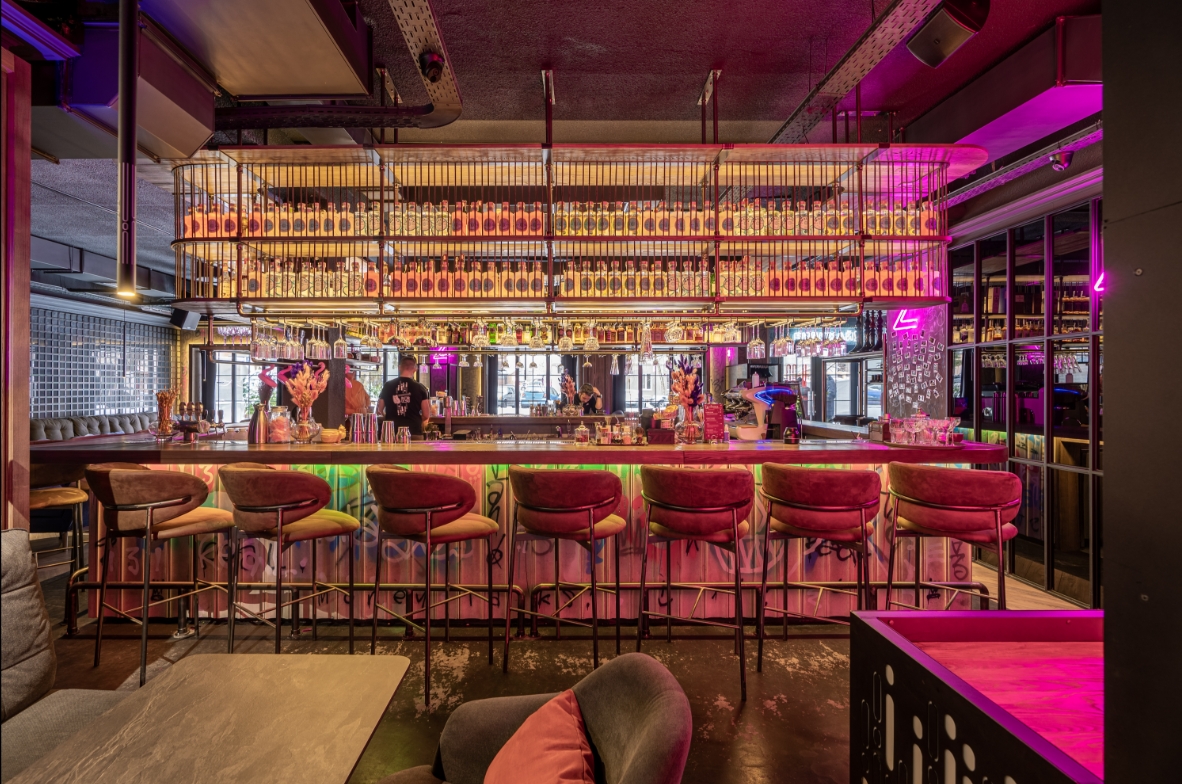
3. Layer Lighting to Set the Mood
Lighting transforms a bar from utilitarian to magical. A layered approach ensures functionality while creating ambiance.
Ambient Lighting: The Foundation
Overhead pendant lights or chandeliers define the bar area. For industrial spaces, exposed Edison bulbs work well; crystal chandeliers suit upscale venues. Ensure the light is dimmable to adjust for day vs. night moods.
Task Lighting: Precision Meets Style
Under-cabinet LED strips or recessed lights above the counter ensure bartenders work efficiently. Gooseneck lamps with adjustable arms add retro charm while directing light where needed.
Accent Lighting: Drama and Depth
Use backlit liquor displays, LED-lit counter edges, or wall sconces to highlight textures like brick or wood paneling. Color-changing RGB lights behind the bar can sync with music for late-night energy.
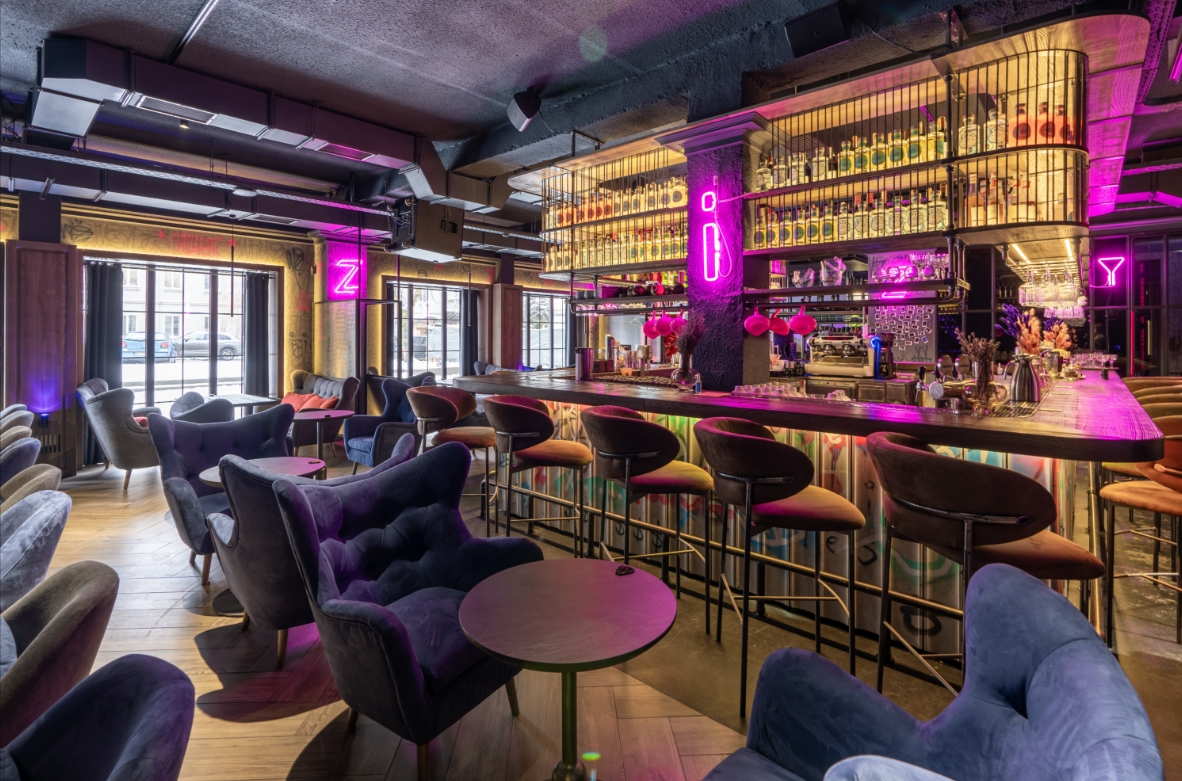
4. Elevate with Decorative Details
The final layer of your bar design lies in decor—small touches that make the space feel curated and inviting.
Textures That Invite Touch
Incorporate tactile materials like leather barstool seats, hammered metal footrests, or a textured tile backsplash. A live-edge wood countertop adds organic warmth.
Artwork and Greenery
Hang local art or vintage mirrors behind the bar to create depth. Vertical gardens with trailing plants soften hard surfaces and improve acoustics.
Functional Decor
Use decorative ice buckets, copper mugs, or ceramic decanters as part of the display. Rotate seasonal items (e.g., pinecones in winter, citrus bowls in summer) to keep the look fresh.
Personalized Touches
Engrave cocktail recipes into the countertop, mount vintage liquor ads as wall art, or use coasters printed with your menu. These details make guests feel connected to your story.